Leave Your Message
Name*
Phone number*="7">
Email Address*
Country*
Message*
Your Business Types*
Interested Items(Scroll selection)*

Blog

7 Tips for Choosing the Best Printed Tube Supplier

7 Tips for Choosing the Best Printed Tube Supplier

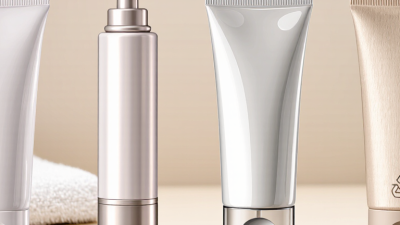
You know, printed tube packaging might seem pretty straightforward when you see it sitting on a shelf. But here's the catch: you need a supplier who actually nails the details—crisp graphics, proper sealing, dimensions that don't wander, and lead times you can count on. Even a tiny color shift can make a well-known brand suddenly look off. And don't even get me started on a weak seam—that's a recipe for real headaches down the line. So, Grand View Research put out this report on the tube packaging market, and they're projecting a 6.8% compound annual growth rate from 2024 to 2030. That sounds great and all — more demand, right? But here's the thing: just because the market's growing doesn't mean every supplier is top-notch. You've really got to roll up your sleeves and dig into the nitty-gritty. Check actual samples, see how the print registration holds up, ask about material options, and get a sense of their production capacity and quality control records. And don't forget to ask how they handle artwork changes, rejected batches, or urgent reorders. I mean, details matter — a lot. When you're picking a Printed Tube supplier, there are seven practical things to keep in mind. For starters, really look at their print capabilities—not just what they say, but what they can actually do. And don't forget to check how they handle communication and whether they deliver on time. Also, be careful with all those sustainability claims they throw around. Ask for actual material specs and supporting documents, not just vague promises. Oh, and one more thing: I wanted to quote an industry expert directly, but I couldn't verify it from a reliable source, so I'm not going to risk putting words in anyone's mouth. Better to stick with what we know. Look, if you add a quote you can't verify, you're basically undermining the whole credibility we're trying to establish here. But when you actually have a reliable source, a verified quote from an expert can bring so much more than just authority — it adds real context and depth.
Read more »
Isabelle By:Isabelle - November 8, 2026
What Are the Top Types of Sunscreen Tubes in 2026?

What Are the Top Types of Sunscreen Tubes in 2026?

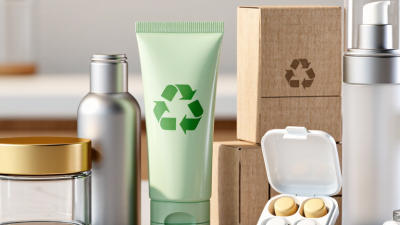
In 2026, sunscreen tubes are about way more than just shelf appeal. Honestly, the right one has to do a lot: it should dispense smoothly, survive a trip in your bag, and keep the formula from turning into a mess—or just wasting away. Dieter Rams’s famous line, “Good design is as little design as possible,” kind of sums it up perfectly. Okay, so Rams wasn't exactly a sunscreen-tube expert — but his whole thing about practical design? Honestly, that applies to packaging choices too. Alright, so this guide is all about comparing different kinds of tubes — squeeze tubes, airless ones, laminated ones, plus options made from recycled or bio-based materials. A soft squeeze tube is super handy if you're just hanging out by the pool and need something quick and easy. Airless designs, on the other hand, are great for keeping air out, and if you get one with a narrow nozzle, it's a lot easier to control how much you're applying. Materials are a big deal too, though. A glossy tube might look all fancy and polished, but honestly, that doesn't tell you much about how well it works or what kind of environmental impact it has. You know, the little things really do matter. There’s nothing worse than a cap that gets all gritty with sand, right? And when a tube traps product at the bottom, that’s annoying too. Plus, “sustainable” doesn’t always mean what it seems—some claims are a bit of a stretch. So we’re going to break down each type: what it’s good at, where it kind of misses the mark, and the questions you should ask before you buy. I’m also trying to keep an open mind about trade-offs, because how a tube actually performs depends on the formula, the design, and what recycling or disposal options you have. Honestly, there’s no one-size-fits-all sunscreen tube.
Read more »
Sophia By:Sophia - November 5, 2026
2026 Top Skincare Bottles Packaging Suppliers?

2026 Top Skincare Bottles Packaging Suppliers?

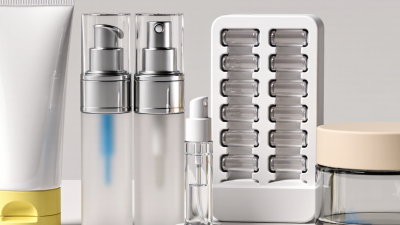
When you're choosing a supplier for 2026, honestly, don't get too caught up in that glossy sample bottle. In Skincare Bottles Packaging, the right fit really depends on a bunch of things — your product formula, how it needs to be dispensed, decoration, order volume, and, above all, whether the supplier can keep delivering consistently. You know, packaging isn’t one-size-fits-all. A lightweight airless pump can be a lifesaver for a delicate serum, but a dense cream usually feels more at home in a wide-mouth jar. And honestly, the little things can make or break it—like, will the cap stay put during shipping? Is the pump going to waste product? And can your supplier actually match the color order after order? Chances are, if you’ve been following the packaging world, you’ve heard the phrase “circular economy” come up a lot. Ellen MacArthur and her foundation definitely helped put it there. They explain it pretty simply: “A circular economy is based on designing out waste and pollution, keeping products and materials in use, and regenerating natural systems.” It’s a handy lens to look through—not, like, a complete scorecard for suppliers. Take “recyclable” claims, for instance — you really have to dig into whether your local recycling program actually accepts it, not to mention what the finished package is made of. Looking for a 2026 skincare bottle packaging supplier? This guide digs into the real stuff—capabilities, materials, customization options, MOQs, and how they communicate. We'll also look at the practical proof: sample quality, specs on paper, and whether they give you clear lead times. Honestly, no single supplier is going to be right for every brand. And that glossy catalog? It can hide a lot of gaps. So treat any shortlist as just a starting point—ask for samples, try the closure with your actual formula, and double-check all the details before you commit.
Read more »
Alexander By:Alexander - November 2, 2026
7 Best Deodorant Tubes for Global Wholesale Buyers?

7 Best Deodorant Tubes for Global Wholesale Buyers?

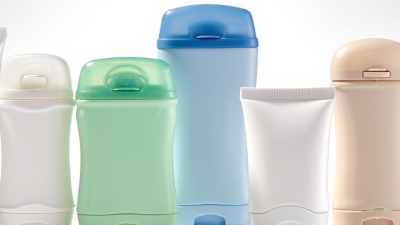
"Deodorant tubes are really becoming the go-to packaging choice for personal-care wholesalers around the world. And it's easy to see why – Grand View Research says the global deodorants market keeps growing, driven by urbanization, more premium grooming, and online retail taking off. Plus, Euromonitor points out that sustainability and convenience are big influences on what people buy. Makes a lot of sense, right?" You know, these trends don't just mess with the product formula—they also have a big say in which tube we end up with. So, for anyone buying these tubes, the real test is whether they can make it through everything from filling and shipping to sitting on a shelf and then getting yanked out of a bathroom cabinet every day. That's a lot to ask, right? This guide takes a look at seven deodorant tubes and sizes them up against some concrete wholesale criteria—stuff like how they're built, how well they dispense, whether they leak, how good the printing looks, minimum order sizes, and if they can handle cream or gel formulas. Sure, you'll see claims about PCR plastic, mono-material designs, and lighter formats possibly cutting down on material use. But honestly, a lot of that sustainability talk needs to be backed up with actual proof before you take it at face value. Honestly, just because a tube says it's recyclable, that doesn't automatically mean it actually gets recycled everywhere – it's a bit hit or miss. Tom Szaky, who runs TerraCycle and is pretty much the go-to guy for circular packaging, once said, “There is no such thing as recyclable packaging, only recyclable systems.” And honestly, that really hits the nail on the head. You see, a tube might look perfectly eco-friendly, but if your local recycling facility won't take it, then what's the point? So here's the thing – if you're a buyer, you really need to push your suppliers for the nitty-gritty details: material specs, migration testing, production samples, and clear instructions on what to do with it at the end of its life. Otherwise, you're just shooting in the dark. You know, Smithers' packaging research keeps stressing that recyclability isn't just about the material—it's also about how the product is structured, what labels are on it, and whether the local recycling infrastructure can actually handle it. And let's be real: we're not going to pretend that a single tube design works for every market. Some buyers just care about keeping costs down, while others need that premium look or want something that's easier to recycle. Real-world testing still matters a lot—even the best supplier can sometimes mess up a seal, a cap fit, or a tiny decoration detail. So these seven options below give you a more grounded, practical starting point for sourcing responsibly on a global scale.
Read more »
Isabelle By:Isabelle - October 28, 2026
China Top 10 Nutraceutical Bottle Manufacturers?

China Top 10 Nutraceutical Bottle Manufacturers?

You know, the global nutraceuticals market is growing pretty fast. That means there’s a growing need for safe, consistent, and eye-catching Nutraceutical Bottles. Back in 2022, Grand View Research valued the market at around USD 418.5 billion. And they expect it to keep growing at a 9.1% compound annual growth rate from 2023 to 2030. All this growth brings up some pretty practical questions: Are the bottles any good? Do the closures actually fit right? What about barrier protection? And can you really count on supply? So, Smithers’ report — The Future of Sustainable Packaging in Nutraceuticals to 2028 — puts lightweighting, recyclability, and material efficiency high on the list of packaging priorities. Nina Goodrich, a well-known packaging sustainability expert at GreenBlue, puts it simply: “Packaging is a system, not a product.” And that idea really matters here. After all, a bottle has to protect capsules or powders through shipping, storage, and everyday handling. Looking good is nice, but it’s not enough. So, this article rounds up ten top manufacturers—including Berlin Packaging, Alpha Packaging, Drug Plastics, Comar, Berry Global, and Graham Packaging. The picks are based on things like manufacturing experience, material options, quality systems, customization, and regional service. A few of these companies focus specifically on pharmaceutical-grade containers, while others offer a wider packaging portfolio. And hey, it's not a perfectly uniform comparison. The thing is, public data tends to lump nutraceutical, pharmaceutical, and food packaging all together. So take those rankings as a handy buying guide—not some final, absolute verdict on the whole industry. It's always worth checking directly with each supplier on current certifications, minimum order quantities, testing records, and any recycling claims. And remember, whether a product actually fits depends on the formula, the market, the filling process, and how it's distributed. Even a bottle that looks really promising can flop if you overlook moisture control. Honestly, that detail? It deserves a lot more attention than it's getting, if you ask me.
Read more »
Isabelle By:Isabelle - October 25, 2026
How to Choose the Best Sunscreen Packaging?

How to Choose the Best Sunscreen Packaging?

Choosing the best Sunscreen Packaging requires more than attractive colors or a glossy finish. The package must protect the formula, support accurate application, and survive real daily use. A tube left in a hot beach bag faces different demands from a pump stored in a bathroom cabinet. Dr. Zoe Diana Draelos, a respected cosmetic dermatology and product-development expert, has said, “Sunscreen is a drug, not a cosmetic.” Her point changes how we evaluate packaging. Product protection comes first. A suitable container should limit air exposure, reduce contamination, and remain compatible with oils, filters, and preservatives. Material testing matters. A package that looks premium may still weaken, leak, or release unwanted compounds. Small details affect consumer behavior. A wide opening can encourage excessive dispensing. A controlled pump may provide cleaner, more consistent doses. Clear plastic can improve visibility, but sunlight may affect sensitive formulas. The correct choice depends on the formulation, closure, distribution route, and expected user habits. Packaging Sunscreen also involves practical sustainability decisions. Lightweight tubes can reduce shipping emissions. Recycled materials may lower virgin plastic use, but they must still meet safety and performance requirements. Recycling labels should reflect real local systems, not marketing optimism. No package solves every problem. That is worth admitting. A refill system may reduce waste but create hygiene concerns. An airless pump can improve protection but may be difficult to recycle. The strongest selection process tests these trade-offs instead of following trends. This guide examines barrier performance, dispensing control, user experience, material choices, and supplier reliability. It also asks an uncomfortable question: does the package help people apply enough sunscreen, or merely look responsible on a shelf?
Read more »
Isabelle By:Isabelle - October 20, 2026
China Top Scent Boxes Manufacturers for Global Buyers?

China Top Scent Boxes Manufacturers for Global Buyers?

For global fragrance brands, choosing reliable Scent Boxes manufacturers in China takes a lot more than just comparing unit prices. You need a partner who can handle structural design, fragrance protection, print consistency, and export experience all at once. A premium box has to survive warehouse handling, ocean freight, and retail display. And honestly? The small details matter. A loose insert can damage a glass bottle. A weak magnetic closure can kill that first impression before the customer even opens the box. Packaging consultant Sarah Bennett puts it this way: “The best Scent Boxes balance protection, presentation, and practical manufacturing from the beginning.” That’s a useful point, because pretty samples can hide production weaknesses. Before placing large orders, buyers should look at material thickness, edge finishing, color accuracy, and packaging tests. Ask for a physical prototype—it’s still essential. Digital images just aren’t enough. China has plenty of capable suppliers, like Guangzhou Topwork Packaging, Shenzhen Fuxin Packaging, and Dongguan Yison Printing. But manufacturer selection shouldn’t be based on names alone. It should depend on verified capacity, communication quality, quality-control procedures, and documented export records. Ask whether the supplier makes rigid boxes, folding cartons, drawer boxes, or custom inserts in-house. And if sustainability matters to your brand’s market position, confirm the use of FSC-certified paper, soy-based inks, and recyclable components. The process is rarely perfect. Samples may need two or three revisions. Color can shift slightly between proofing and mass production. That’s just reality—and it deserves honest planning, not optimistic promises. This guide looks at China’s leading Scent Boxes manufacturers for global buyers, while also weighing design flexibility, minimum order quantities, lead times, inspection standards, and total landed cost. A cheaper quotation may end up expensive after rework, delays, or damaged products. Reliable decisions start with evidence, careful questions, and direct supplier verification.
Read more »
Alexander By:Alexander - October 12, 2026
10 Best Sunscreen Packaging Solutions for Global Buyers?

10 Best Sunscreen Packaging Solutions for Global Buyers?

Picking the right sunscreen packaging isn’t just about pretty colors and clean graphics. Global buyers need containers that actually protect formulas, keep costs under control, and hold up across different climates. A tube that’s fine in a cool warehouse might soften during ocean transport. An airless pump can protect sensitive ingredients, sure—but it may also raise unit cost and make assembly more complicated. In this guide, we look at ten practical packaging options: squeeze tubes, airless bottles, jars, sachets, refill systems, and more. Each one brings different pros for protection, usability, branding, and shipping efficiency. Packaging Sunscreen also means paying close attention to closure quality, material compatibility, label durability, and tamper evidence. And honestly? Small details matter. A weak cap can turn into a major customer complaint. Our recommendations come from common packaging development practices, supplier evaluations, and real production headaches. We think about leak testing, drop testing, temperature exposure, filling accuracy, and recycled content claims. That said, buyers should still check local requirements with qualified regulatory professionals before launch. Standards vary by market, and packaging claims need proof behind them. There’s no one best solution for everyone. Cost, product viscosity, sales channel, and target customer all shape the final call. Sometimes the most sustainable-looking package is hard to recycle. Sometimes a premium pump creates unnecessary waste. Those trade-offs deserve an honest look. The strongest Sunscreen Packaging strategy balances protection, compliance, manufacturing reliability, and customer experience—without overpromising.
Read more »
Sophia By:Sophia - October 7, 2026
What Is Beauty Packaging and Why Does It Matter?

What Is Beauty Packaging and Why Does It Matter?

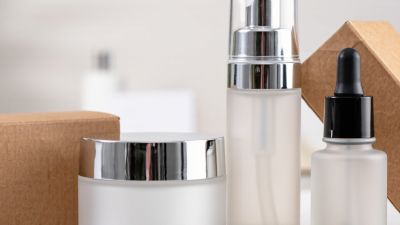
When you think about beauty packaging, it’s so much more than just a pretty bottle sitting on the shelf. It actually protects the product inside, helps tell you what it’s for, and even shapes your very first experience with it. For example, a good pump can give you just the right amount with each press, and airtight containers can help keep air (which can spoil some formulas) out. These little details really matter—whether it’s creams, serums, perfumes, or makeup—because they influence things like hygiene, convenience, how long the product stays good, and how confident the customer feels using it. Packaging also sends a message—both practical and emotional—about the brand. Glass might suggest something solid and lasting, while recycled paper could hint that the brand cares about reducing waste. But honestly, looking nice only gets you so far. The materials should match the product itself, how it’s made, how it’s shipped, and how long it’s meant to last. It’s important to do proper testing, check compatibility, and label everything clearly—ingredients, instructions, safety info—so customers can trust what they’re using. Think about how easy it is to open the container—if it looks gorgeous but is a pain to open, that’s not a win. Sometimes, the small frustrations make all the difference. And then there’s the whole environmental side of things—definitely not a straightforward story. Lightweight plastics can make shipping easier and greener, but recycling depends heavily on local systems and how the packaging is made. Refillable jars sound great, but only if consumers can actually clean them easily and reuse them without hassle. Honestly, no packaging is perfect, and that’s okay to admit. The goal with responsible beauty packaging is to balance protection, convenience, brand identity, cost, and environmental impact—all while backing decisions with real evidence, not just pretty promises. When you look at all these factors together, it’s clear that packaging is more than just the finishing touch; it’s a key business decision with a real purpose behind it.
Read more »
Alexander By:Alexander - October 2, 2026
China Top 10 Nutraceutical Bottle Manufacturers

China Top 10 Nutraceutical Bottle Manufacturers

The nutraceutical market is really growing nowadays, and packaging is actually playing a bigger role than just looking good. I mean, according to Grand View Research, the global nutraceuticals market was worth around USD 432.1 billion in 2022. And get this — they're expecting it to grow at an annual rate of about 9.6% from 2023 all the way to 2030. That kind of growth definitely means there’s a higher demand for reliable nutraceutical bottles—things like better protection, clearer labels, and consistently top-notch quality. David Luttenberger, who’s the Global Packaging Director at Mintel, once said, “Packaging is the product’s first moment of truth,” and honestly, he’s spot on, especially when it comes to supplements. A good bottle needs to shield capsules from moisture, light, oxygen, and rough handling during transit. A loose cap or weak liner? That can seriously damage a customer’s trust pretty fast. Little things like that really do make a difference. In this guide, we’re taking a look at China’s Top 10 Nutraceutical Bottle Manufacturers based on some practical points—things like whether their materials are safe, how well their closures work, their mold-making skills, customization options, quality control measures, export experience, and how serious they are about sustainability. According to reports from Smithers, brands are under increasing pressure to cut down on material use and make their packaging more recyclable. But, fair warning—no list is perfect. Sometimes, the info online can be incomplete, and a factory’s capacity might change over time. A slick website doesn’t tell the whole story either. That’s why factory audits, testing samples, and certifications are still super important. These manufacturers on the list might cater to different needs. Some focus on HDPE or PET bottles, while others might be good with glass, child-resistant caps, or customized decorations. Picking the right supplier really depends on how sensitive your product is, what your market demands, your order size, and budget. Trust is built here, but don’t forget—you still need to verify everything beyond what’s on the surface.
Read more »
Alexander By:Alexander - September 29, 2026
2026 How to Choose the Best Pill Bottle Container for Buyers

2026 How to Choose the Best Pill Bottle Container for Buyers

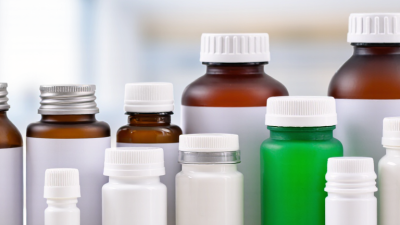
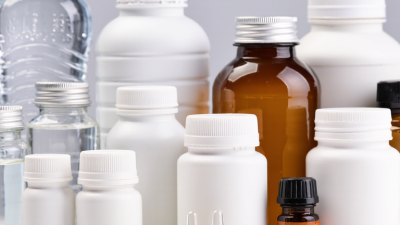
Picking the right Pill Bottle Container isn't just about how it looks on the shelf—there are actually some pretty important factors to consider. You gotta think about what kind of medicine or supplement you're packaging, what equipment you'll be using to fill the bottles, storage conditions, and of course, the people who will handle them day-to-day. Sometimes a bottle that looks perfect in a sample photo might feel awkward to hold, or worse, it might not fit nicely into your existing production line. So, it’s not just about the aesthetics. A solid evaluation kicks off with paying attention to the details. Take a good look at the container’s material, its capacity, the neck finish, how well the cap fits, and where you would place the label. It's a smart move to ask for some samples and test them out—try fitting the caps and labels you'll actually use. Also, see if the bottle stands steady on a work surface. Little things like that really matter. Here's a good rule to keep in mind: “Match the container to the product, the process, and the user—not just the price.” Now, that’s more of a guideline than a direct quote—just a reminder that choosing the cheapest option might not always be the best move. It’s important to verify any specific claims or recommendations, so only cite quotes from credible sources once you’re sure about them. That trust factor is key—you want to know what’s solid info and what’s just advice. This guide is all about helping you compare different options, understand what supplier info really means, and weigh the pros and cons before placing your order. It covers practical stuff like making sure packaging stays consistent, testing samples properly, and chatting with suppliers to clear up any uncertainties. Keep in mind, some details might change depending on your specific product or production setup, so it’s worth taking a closer look. A careful choice like this can save you from fitting issues later on—just remember, no single Pill Bottle Container will be perfect for everyone out there.
Read more »
Isabelle By:Isabelle - September 25, 2026
10 Tips for Choosing a Perfume Beauty Box?

10 Tips for Choosing a Perfume Beauty Box?

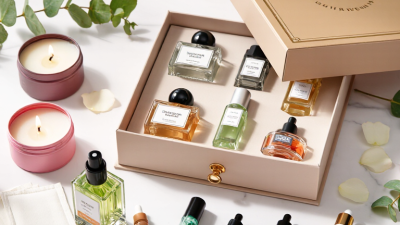
Choosing a Perfume Beauty Box can be kinda exciting, but honestly, just eye-catching packaging isn't enough. A good box should really match your scent tastes, skin sensitivities, lifestyle, and budget. It might include perfume samples, body lotions, scented candles, or small grooming goodies — and honestly, each of those items deserves a little extra attention before you use them. Practically speaking, experience matters. A fragrance that smells fresh and lovely in the store might turn out to be way different after a few hours. Things like your skin chemistry, the weather outside, or even how you apply it can totally change the scent. So, make sure to check out the notes, ingredients, size, and expiration date. Reputable brands usually provide clear info and good customer support. And while reading reviews can help, just remember – everyone’s nose is different, so what works for one person might not for another. Safety’s also a big deal. Stick with products from trusted brands and always check that the packaging is sealed. Be cautious about applying fragrances near sensitive areas, and always follow the instructions. Oh, and don’t forget to peek at their return policy, shipping details, and any subscription terms — those little things can save you a lot of hassle and money. Not all fancy, luxury-looking boxes give you good bang for your buck, either. Sometimes, that tiny bottle ends up being the most practical one. Think about whether the box offers versatile scents you can wear for work, evenings out, or even travel. A sample set might be a smarter choice than splurging on a big bottle if you’re still figuring out what you like. I’ve definitely made impulse buys before that just gather dust, so it's worth being cautious. These ten tips are all about checking scent quality, transparency, brand trustworthiness, value, and how easy things are to use day-to-day. They won’t guarantee you perfect picks, but a bit of thoughtful comparison can really make your Perfume Beauty Box experience more fun, safer, and better suited to everyday life.
Read more »
Alexander By:Alexander - September 21, 2026
What Are the Top Cosmetic Packaging Types for 2026?

What Are the Top Cosmetic Packaging Types for 2026?

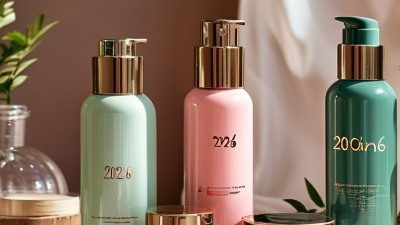
By 2026, when it comes to cosmetic packaging, brands will need to go beyond just making things look good on the shelf. It’s about finding that sweet spot—protecting the product, making it user-friendly, eco-friendly, affordable, and keeping things fresh. I mean, sure, a gorgeous jar catches your eye, but if the pump stops working after a couple of weeks, it kind of kills the whole vibe, right? William McDonough, this super-respected guy in circular design, sums it up pretty well with his phrase: “Waste equals food.” The idea is that packaging shouldn’t just be designed for that first sale but for its next life too. This means we’re looking at options like refillable compacts, tubes made from one material, aluminum bottles, PCR plastics, and paper-based secondary packaging. But, honestly, no single solution is perfect all the time. Refill systems can cut down on material use, but they also bring up issues like cleaning, dosing, or possible contamination. Glass feels fancy and high-quality, but keep in mind—it’s heavy and can bump up your transport emissions. Then there are airless pumps, which are great for sensitive formulas, but all those mixed materials can complicate recycling efforts. This overview covers the main types of cosmetic packaging we’re likely to see more of in 2026. We look at where each kind shines, what customers really notice, and which trade-offs might need a bit more testing. Small details matter — like making sure a refill pod clicks in securely, or that a tube dispenses the last bit without needing to squeeze too hard. Or that a carton has clear, easy-to-understand recycling instructions. Of course, some things still need work. A lot of sustainability claims out there are pretty vague, and some “recyclable” designs actually depend on local waste systems that not everyone can access. That’s a problem that needs testing, so brands can be sure before making big promises. Reliable choices come from real data—testing packaging in real-world conditions, checking compatibility, and comparing lifecycle impacts honestly. The best options aren’t just about looking innovative—they’ll actually safeguard formulas, make daily routines easier, and cut down on waste we could easily avoid.
Read more »
Sophia By:Sophia - September 18, 2026
2026 Best Cosmetic Packaging Suppliers for Global Buyers

2026 Best Cosmetic Packaging Suppliers for Global Buyers

So, the 2026 *cosmetic packaging* market is really evolving—becoming more regional, precise, and, honestly, a bit more demanding. Today’s global buyers aren’t just eyeing how things look anymore; they’re digging deeper. They want to know if the materials are safe, recyclable, compatible with filling, and if the environmental claims hold up—stuff that wasn’t as important a few years back. According to Grand View Research, the worldwide cosmetic packaging market was worth around USD 32.2 billion in 2023. And it’s not slowing down. The forecasts show steady growth through 2030, fueled by rising skincare interests, luxury beauty trends, and all the online shopping happening these days. Smithers adds that sustainable packaging is quickly becoming a big focus for investment too. But, honestly, it’s not super easy to pin down exact numbers—the market isn’t perfectly measurable, and different research firms sometimes get slightly different figures. This guide aims to help you get a better sense of who the leading suppliers are—their experience, the materials they use, quality controls, customization options, minimum order quantities, and how well they handle exports. We’re talking about everything from glass jars, airless pumps, tubes, and bottles, to compact cases, closures, and refillable types. Keep in mind, a package might look gorgeous but can still run into issues during filling, shipping, or repeated use—that’s just part of the practical side of things. Ellen MacArthur, a real expert in circular packaging, once said, “We need to move from a take-make-waste society to one that designs out waste.” This idea is super relevant for anyone buying cosmetic packaging now. Using recycled materials, designing with single materials, making things lighter, and offering refillable systems can really help cut down environmental impact—though, of course, they’re not a magic bullet and won’t fix every problem. Also, some supplier claims require a closer look. Don’t hesitate to ask for test reports, proof of recycled content, technical drawings, or actual samples. It’s important to verify if their sustainability promises hold up under real manufacturing conditions. And remember, the cheapest option isn’t always the best; the real winner is the partner that consistently provides high-quality, compliant materials and honest communication, no matter where you’re selling.
Read more »
Sophia By:Sophia - September 13, 2026
How to Choose a Printed Tube Supplier in 2026?

How to Choose a Printed Tube Supplier in 2026?

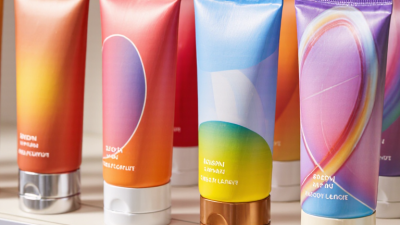
Picking a printed tube supplier in 2026 isn’t just about comparing prices anymore. You really need a partner who can protect your formula, reflect your brand’s vibe, and deliver consistent quality, even at large volumes. Packaging guru David Luttenberger, who’s the Global Packaging Director at Mintel, puts it simply: “Packaging needs to grab attention while also keeping the product safe.” That idea still holds true whether you're dealing with cosmetics, personal care, pharma, or household stuff. A trustworthy supplier should be more than just a quote. Make sure they’re willing to send you physical samples before you commit—check out the shoulder, the cap fit, how well the print lines up, the color density, and whether the ink holds up with rubbing. Also, ask how they handle batch-to-batch consistency. It’s important to see proof of material traceability, factory audits, quality records, and compliance with market standards. For example, a big player like Berry Global might have tons of manufacturing capacity, but a smaller regional converter could be quicker to communicate with and accept smaller orders. Both have their perks, so don’t assume one’s automatically better. And don’t just go for the cheapest quote, you know? Look into things like lead times, tool charges, artwork support, filling compatibility, and whether they have backup plans if things go sideways. Also, ask if they can reproduce a tricky gradient months down the line—don’t just rely on their sales pitch. Regarding sustainability, watch out for vague green claims. Dig into what’s actually inside the tube—recycled content, the barrier layers, whether it’s recyclable locally—instead of taking green buzzwords at face value. Sometimes, a cheaper tube might end up costing you more in the long run due to leaks, color mismatches, or delays. The best choice combines proven performance, clear documentation, and honest conversations. Of course, absolute certainty isn’t realistic, but following a thorough process can really help minimize avoidable issues.
Read more »
Isabelle By:Isabelle - September 9, 2026