Leave Your Message
Name*
Phone number*="7">
Email Address*
Country*
Message*
Your Business Types*
Interested Items(Scroll selection)*
0%

In 2026, sunscreen tubes are about way more than just shelf appeal. Honestly, the right one has to do a lot: it should dispense smoothly, survive a trip in your bag, and keep the formula from turning into a mess—or just wasting away. Dieter Rams’s famous line, “Good design is as little design as possible,” kind of sums it up perfectly. Okay, so Rams wasn't exactly a sunscreen-tube expert — but his whole thing about practical design? Honestly, that applies to packaging choices too.

Alright, so this guide is all about comparing different kinds of tubes — squeeze tubes, airless ones, laminated ones, plus options made from recycled or bio-based materials. A soft squeeze tube is super handy if you're just hanging out by the pool and need something quick and easy. Airless designs, on the other hand, are great for keeping air out, and if you get one with a narrow nozzle, it's a lot easier to control how much you're applying. Materials are a big deal too, though. A glossy tube might look all fancy and polished, but honestly, that doesn't tell you much about how well it works or what kind of environmental impact it has.

You know, the little things really do matter. There’s nothing worse than a cap that gets all gritty with sand, right? And when a tube traps product at the bottom, that’s annoying too. Plus, “sustainable” doesn’t always mean what it seems—some claims are a bit of a stretch. So we’re going to break down each type: what it’s good at, where it kind of misses the mark, and the questions you should ask before you buy. I’m also trying to keep an open mind about trade-offs, because how a tube actually performs depends on the formula, the design, and what recycling or disposal options you have. Honestly, there’s no one-size-fits-all sunscreen tube.
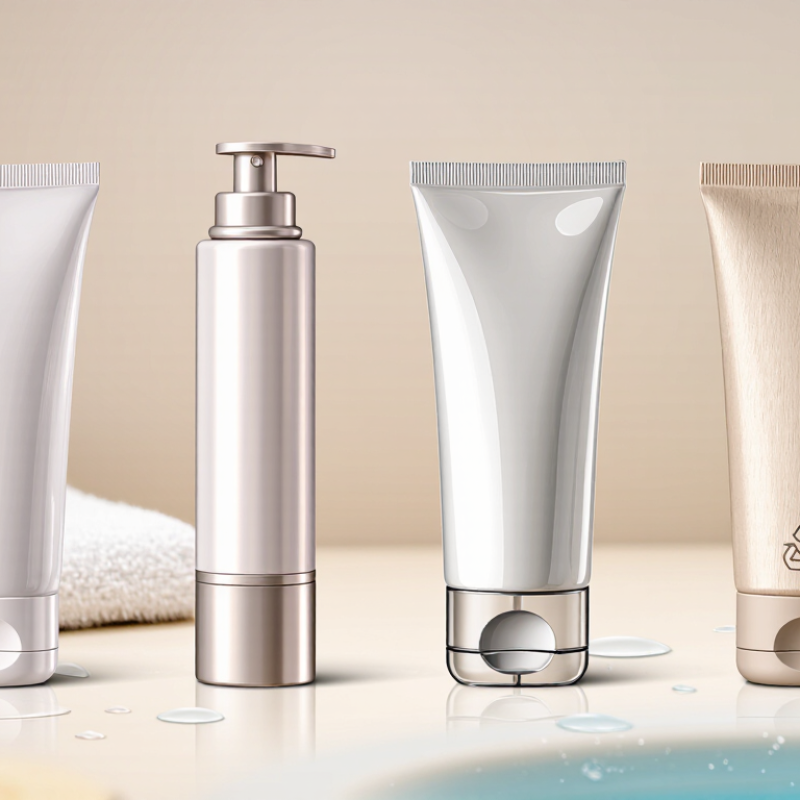
What Are the Top Types of Sunscreen Tubes in 2026?

What Sunscreen Tubes Are and How They Work

What Are the Top Types of Sunscreen Tubes in 2026?

A sunscreen tube is a flexible container that releases product when squeezed. Its opening and cap help control the amount dispensed, while the tube keeps most of the formula away from fingers. Common options include plastic squeeze tubes, multilayer laminate tubes, and airless-style packs. Each balances convenience, product protection, and cost differently. A tube is not automatically leakproof or easy to recycle; its material and construction matter.

The tube’s barrier helps limit exposure to air, light, and moisture, which can affect some formulas over time. A narrow nozzle can dispense a small amount onto a fingertip, while a wider opening releases more quickly.

Grand View Research’s 2024 Sun Care Products Market report estimated the global market at $13.1 billion in 2023, with projected annual growth of 5.4% through 2030. This figure covers sun-care products overall, not tube sales specifically. Still, it points to a large and evolving category. Packaging should make regular use practical, not just look sturdy on a shelf.

Tips: Choose a cap that closes securely, and wipe the nozzle if product builds up. Follow the product label: the U.S. FDA advises applying sunscreen 15 minutes before sun exposure and reapplying at least every two hours. A Sunscreen Pack may dispense unevenly near empty. That small annoyance deserves more design attention.

Which Materials Are Used in Sunscreen Tubes

Sunscreen tubes commonly use polyethylene, especially flexible LDPE or tougher HDPE. The tube wall can be soft enough to squeeze with one hand, while a polypropylene cap helps close the opening securely. These familiar plastics are lightweight and resist moisture, but their performance depends on the sunscreen formula and package design. A formula may interact with packaging over time, so manufacturers should test for leakage, odor changes, and material compatibility under realistic storage conditions.

Some tubes use laminated layers, combining plastic with a thin aluminum barrier to limit light and oxygen exposure. Others use all-plastic structures, which may be easier to sort in recycling systems where suitable facilities exist. Recycled plastic can reduce reliance on virgin material, though consistent color and quality may be harder to achieve. Small details matter: a narrow nozzle can reduce mess, but dried product may clog it. A Sunscreen Stick uses a different package format, yet its casing also needs to protect the product and dispense it cleanly. Material choices are rarely perfect; durability, barrier protection, user experience, and end-of-life options can pull in different directions.

How Tube Designs Differ by Shape and Dispensing System

Sunscreen tubes differ in more than appearance. A flat, oval tube fits neatly into a beach bag and resists rolling across a changing table. A round tube may be easier to grip with wet hands, though it can take up more space. Slim, narrow formats suit pockets, but their smaller openings may make thick lotion slower to dispense. Shape affects everyday handling.

The dispensing system matters just as much. Flip-top caps allow quick, one-handed access, while screw caps can close securely but are easier to drop in sand. A narrow nozzle helps control small amounts around the nose and ears. Wider openings dispense lotion faster, yet can leave residue around the rim. Small detail. Big difference.

Some tubes use soft, squeezable walls that make it easier to judge how much product remains. Others use firmer materials, which can feel less precise near the end. Airless-style pumps may reduce contact with unused product, but they add components and may not suit every formula. No design guarantees better sun protection; use the labeled directions and apply enough. Packaging choices are trade-offs, and the most convenient cap can still be awkward with slippery fingers. A quick test at home helps reveal that.

What Makes Squeeze, Pump, and Airless Tubes Distinct

Squeeze tubes remain a practical choice for sunscreen because they are light, familiar, and easy to pack. A gentle press releases a small ribbon onto fingertips, though the amount can vary with pressure and how full the tube is. The cap matters, too: sand or lotion around the opening can make it messy. Simple, but not flawless.

Pump tubes offer cleaner dispensing and more consistent portions, which can help when applying sunscreen to the face or hands. One pump may not cover a large area, so users often need several. Thick formulas can also dispense slowly or leave product near the nozzle. Test the pump with the actual formula before choosing a Sunscreen Package.

Airless tubes use a moving inner component to push product toward the outlet, limiting how much air enters during use. This can help reduce residue and keep dispensing steady, but it does not make the formula sterile or guarantee a longer shelf life. The mechanism may add cost and requires compatibility checks with the sunscreen’s thickness and ingredients. Small details count: a pump that works in a sample can behave differently after weeks in a warm beach bag.

What Are the Top Types of Sunscreen Tubes in 2026? What Makes Squeeze, Pump, and Airless Tubes Distinct?

Packaging Type How It Dispenses Main Advantages Considerations Common Uses
Squeeze Tube The flexible tube is pressed by hand to push product through an opening or flip-top cap. Simple to use, lightweight, and easy to carry. A wide range of tube materials and closure styles is available. Dispensing can be less controlled near the end of the pack. The opening may contact fingers or skin during use. Everyday face and body sunscreen, travel sizes, and lotions or creams with a consistency that flows through the opening.
Pump Tube A pump mechanism dispenses a measured amount when pressed. Many conventional pumps use a dip tube that draws product upward. Convenient one-handed dispensing and more consistent portions than squeezing. The product is less likely to spill when the closure is secured. The pump adds components and may not dispense very thick or highly viscous formulas well. Some product can remain inside when the pump can no longer draw it up. Body lotions and fluid sunscreen formulas intended for repeated use at home or on the go.
Airless Pump Tube A piston, pouch, or similar mechanism moves product toward the pump as the contents are dispensed, reducing the need for air to enter the container. Can help limit air exposure and support controlled dispensing. It may dispense more consistently as the product level falls, depending on the design. Typically has a more complex construction and may cost more than a basic squeeze tube. Formula and package compatibility, priming, and complete evacuation depend on the specific design. Face creams and other sunscreen formulas where controlled dispensing and reduced exposure to air are useful packaging goals.

Important: Packaging type does not determine a sunscreen’s SPF or broad-spectrum protection. Follow the product label and reapply as directed; packaging performance varies by design and formula.

How to Match a Sunscreen Tube to Its Use

A sunscreen tube should fit the way you use it, not just look convenient on a shelf. Soft squeeze tubes work well for beach days and family use because they dispense lotion directly into the hand. A wide opening is handy for thicker formulas, though it can leave residue around the cap. Flip-top caps are easier to open with one hand, especially when applying sunscreen outdoors. Small details matter.

For a face sunscreen kept in a work bag, choose a compact tube with a secure cap and a narrow opening. This helps limit spills and makes it easier to dispense a modest amount. Pump-style tubes can offer cleaner, more controlled dispensing for a bathroom counter or regular morning routine. They may be less practical when nearly empty, and the pump can take up extra space. Not always ideal.

Match the capacity to the setting: a small tube suits commuting, while a larger one makes sense for shared use at the pool. Check that the label provides broad-spectrum protection and an SPF suited to your needs; packaging alone says nothing about protection. Keep the cap closed, and follow the label’s directions for use and reapplication. There is no perfect tube. A format that is easy to carry but awkward to squeeze may end up unused, so consider how it feels in your hand before choosing.

How Sustainability Is Shaping Sunscreen Tubes in 2026

Sustainability is reshaping sunscreen tubes in 2026, but no single material solves every problem. For teams working on Packaging Sunscreen, the practical choice often balances recycled content, product protection, and local recycling access. Mono-material tubes can be easier to sort than structures combining several plastics. Recycled resin may reduce demand for virgin material, though color, flexibility, and barrier performance still matter. Small details count: a cap that separates easily, clear disposal instructions, and less excess packaging. Real-world handling matters.

The OECD’s Global Plastics Outlook reports that only 9% of plastic waste was recycled worldwide in 2019. That is a global figure, not a sunscreen-tube recycling rate. It shows why recyclability claims need careful wording. A tube may be technically recyclable but still miss collection or sorting in a shopper’s area. That gap matters. UNEP’s 2023 report, Turning off the Tap, estimates plastic pollution could be reduced by 80% by 2040 using existing solutions and systemic changes. For sunscreen packaging, lighter designs and simpler material combinations can help, but trade-offs remain: thinner walls must still protect the formula through transport and daily use. I’d want to see more transparent, tube-specific recovery data before calling any format circular.

Eco-Friendly Sunscreen Stick Packaging: Grand View Research Sun Care Market and Smithers Sustainable Packaging Reports

As interest in sun care continues to grow, packaging is becoming an important part of how consumers assess a product. Market research on the sun care sector and sustainable packaging points to a shared opportunity: make everyday sun protection convenient while reducing reliance on conventional packaging materials. For sunscreen sticks, portability and ease of use matter, but so does a clear, practical approach to material choices. Packaging that communicates environmental consideration can help skincare brands respond to consumers who look beyond the formula when making a purchase.

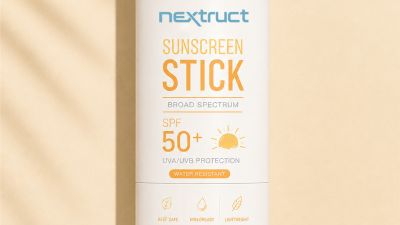
This sunscreen stick tube pairs an FSC-certified white kraft paper exterior with a PCR-PP twist-up base. The hybrid design combines a paper-based outer surface with a durable mechanism for dispensing the product smoothly. Its lightweight, compact form suits travel, outdoor activities, and daily routines, while the exterior can be customized with colors, graphics, and finishes to fit different product identities. By bringing together usability, durability, and more considered material selection, the tube offers modern skincare brands a way to present sun care in packaging designed for both practical use and environmental awareness.

FAQS

How does tube shape affect everyday use?

A flat oval tube sits neatly in a beach bag and is less likely to roll away. A round tube can be easier to grip with wet hands, but takes more space. Slim tubes fit pockets, though thick lotion may come out slowly.

Which cap is easier to use?

A flip-top cap allows quick, one-handed access. A screw cap closes securely but can be easy to drop in sand. Small annoyance.

Does the opening size affect dispensing?

A narrow nozzle helps control small amounts around the nose and ears. A wider opening releases lotion faster, but may leave residue around the rim. Small detail. Big difference.

Are squeeze tubes practical for sunscreen?

They are light, familiar, and easy to pack. A gentle press releases a ribbon of lotion, but the amount depends on pressure and how full the tube is. Sand around the opening can make a mess.

Do pump tubes dispense more consistently?

Often, yes. Pumps can provide steadier portions for the face or hands, but one pump may not cover a large area. Thick lotion may dispense slowly, so test the actual formula.

What is different about an airless-style tube?

A moving inner component pushes product toward the outlet and limits incoming air. It may reduce leftover product, but does not make the formula sterile or guarantee a longer shelf life. The mechanism can also add cost.

Which tube materials are easier to recycle?

Tubes made with fewer material types may be easier to sort. Recycled resin can reduce demand for new material, but color, flexibility, and product protection still matter. Local collection makes a difference.

Does “recyclable” mean a tube will be recycled?

No. A tube may be technically recyclable but still miss local collection or sorting. One global estimate found that 9% of plastic waste was recycled in 2019; it was not a sunscreen-tube recycling rate. I would not call a format circular without better recovery data.

Can a tube be made lighter without drawbacks?

Lighter designs use less material, but thinner walls must still protect the formula during shipping and daily use. Clear disposal instructions and an easily separated cap can help. It is not a perfect trade-off.

Conclusion

Sunscreen Tubes are designed to protect sun-care formulas from contamination and make them easy to store, carry, and apply. Their performance depends on the materials used, such as flexible plastics, laminated layers, or metal, each offering different levels of durability, product protection, and ease of recycling. Tube shape and dispensing features also influence how comfortably and precisely sunscreen can be used.

Squeeze tubes are simple and portable, while pump designs offer controlled dispensing; airless systems help limit exposure to air and reduce leftover product. The right choice depends on the formula, intended setting, user preferences, and desired level of convenience. In 2026, sustainability is an increasingly important consideration, encouraging designs that use less material, incorporate recyclable or recycled components, and help consumers get more of the product out of each package.
Sophia

Sophia

Sophia is a dedicated marketing professional at Toprint Nextruct, a forefront technology-driven packaging solutions provider based in China. With a deep expertise in paper-based structure research and development, she plays a crucial role in championing the company's innovative packaging solutions.......
Previous 2026 Top Skincare Bottles Packaging Suppliers?