Leave Your Message
Name*
Phone number*="7">
Email Address*
Country*
Message*
Your Business Types*
Interested Items(Scroll selection)*
0%

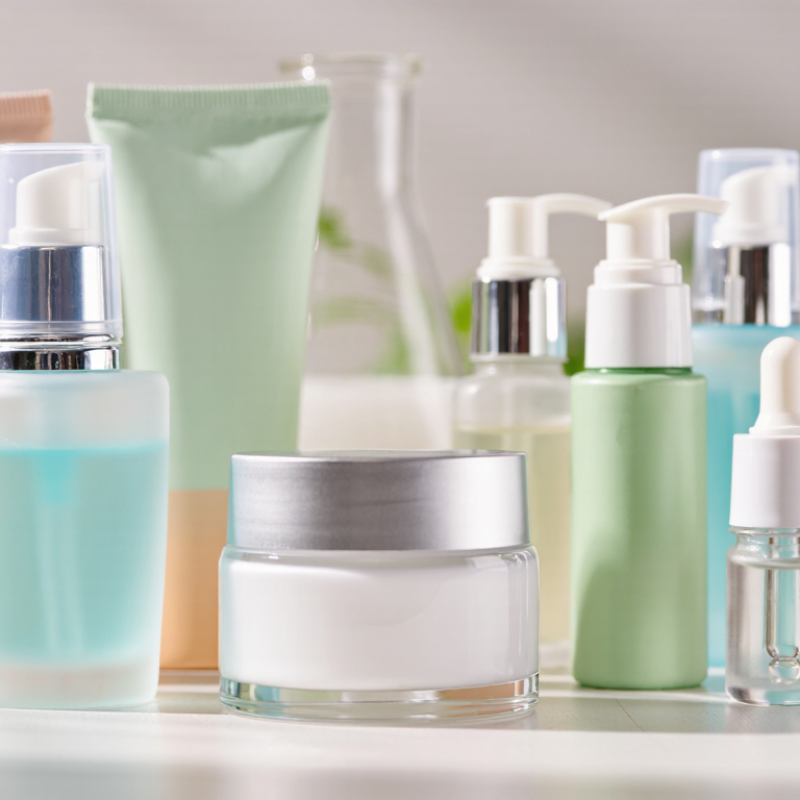
When you're choosing a supplier for 2026, honestly, don't get too caught up in that glossy sample bottle. In Skincare Bottles Packaging, the right fit really depends on a bunch of things — your product formula, how it needs to be dispensed, decoration, order volume, and, above all, whether the supplier can keep delivering consistently. You know, packaging isn’t one-size-fits-all. A lightweight airless pump can be a lifesaver for a delicate serum, but a dense cream usually feels more at home in a wide-mouth jar. And honestly, the little things can make or break it—like, will the cap stay put during shipping? Is the pump going to waste product? And can your supplier actually match the color order after order?

Chances are, if you’ve been following the packaging world, you’ve heard the phrase “circular economy” come up a lot. Ellen MacArthur and her foundation definitely helped put it there. They explain it pretty simply: “A circular economy is based on designing out waste and pollution, keeping products and materials in use, and regenerating natural systems.” It’s a handy lens to look through—not, like, a complete scorecard for suppliers. Take “recyclable” claims, for instance — you really have to dig into whether your local recycling program actually accepts it, not to mention what the finished package is made of.

Looking for a 2026 skincare bottle packaging supplier? This guide digs into the real stuff—capabilities, materials, customization options, MOQs, and how they communicate. We'll also look at the practical proof: sample quality, specs on paper, and whether they give you clear lead times. Honestly, no single supplier is going to be right for every brand. And that glossy catalog? It can hide a lot of gaps. So treat any shortlist as just a starting point—ask for samples, try the closure with your actual formula, and double-check all the details before you commit.
2026 Top Skincare Bottles Packaging Suppliers?

What Services Define a Skincare Bottle Supplier in 2026?

In 2026, a skincare bottle supplier should do more than sell containers. A capable team can match packaging to a formula’s texture, dispensing needs, and light sensitivity. Thick creams may need wide openings or piston pumps. Watery serums often need controlled droppers. Small details matter. Request material options, neck-finish drawings, and samples suited to your filling line.

Service should continue through prototyping and production. Ask whether the supplier can test pump output, cap fit, leakage, and bottle durability. Clear quality records and material traceability make problems easier to investigate. Decoration support, such as printing or labeling, can also reduce coordination between vendors. Check how samples are approved and how production changes are communicated. Practical answers beat polished promises.

Sustainability support should include specific information, not just attractive claims. Ask about recycled content, refill compatibility, and whether the chosen material works with the intended formula. No package is perfect. A lighter bottle may reduce material use but feel less sturdy in hand. That trade-off deserves testing, not guesswork. Delivery planning and responsive after-sales help matter too, especially when a component fails or a shipment arrives late. A reliable supplier explains limitations as clearly as capabilities.

Which Bottle Materials Suit Skincare Formulas, Pumps, and Refills?

Skincare packaging should match the formula, not just the shelf design. Glass offers a strong barrier and feels substantial, but it adds weight and can break during shipping. PET is lighter and clear, making fill levels easy to see. However, light-sensitive formulas may need an opaque or tinted bottle. HDPE can suit some lotions and cleansers, though its softer feel may not fit every premium presentation.

The pump matters just as much as the bottle. Thin serums usually dispense well through fine-output pumps, while thicker creams may need a wider passage or a different actuator. Test the actual formula: oils, viscosity, and suspended ingredients can affect dose consistency or clogging. Small details count. A pump that leaves a few millimeters of product behind may frustrate customers, even if the package looks polished.

Refill systems can reduce the need to replace a durable outer bottle, but the inner container still needs to protect the formula and fit securely. Empty Skincare Bottles are useful for evaluating shape and handling, yet an empty sample cannot prove compatibility. Run filled-package tests for leakage, repeated dispensing, and storage conditions. I have seen teams focus too much on appearance; it is an easy mistake, and not every attractive bottle works well in daily use.

EU PPWR: 10% Recycled Content for Non-PET Contact Plastics by 2030

The EU’s Packaging and Packaging Waste Regulation (PPWR) makes recycled content a sourcing issue, not just a marketing claim. From 2030, contact-sensitive packaging made from non-PET plastics must contain at least 10% recycled content. The corresponding target for PET contact-sensitive packaging is 30%, under Regulation (EU) 2025/40. These rules matter for plastic jars, lotion pumps, inner seals, and caps. Glass Skincare Bottles can reduce plastic in the main container, but plastic closures and liners still need material checks. That sounds simple. It isn’t.

Eurostat reported 186.5 kilograms of packaging waste per EU resident in 2022, showing the scale of the packaging challenge. For suppliers, recycled-content readiness means documenting resin type, recycled-material share, and component-level compliance—not merely offering a “recyclable” package. Ask for evidence tied to each part, especially pumps with mixed materials. Also check how recycled resin affects colour, odour, and dispensing performance; a technically compliant part may still disappoint in use. The regulation sets a clear direction, but sourcing details can be messy, and buyers should verify the latest technical guidance before approving specifications.

EU Packaging Waste: 186.5 kg per Resident in 2022 (Eurostat)

Eurostat reports that the EU generated 186.5 kg of packaging waste per resident in 2022. That figure covers packaging materials, not skincare bottles alone, but it gives brands a useful measure of the waste burden. Eurostat also recorded 83.4 kg of packaging waste recycled per resident. Recycling matters, yet it does not make excessive packaging weight disappear.

For skincare buyers comparing bottle suppliers, ask for the bottle’s weight, material breakdown, and recycled-content documentation. Check whether the bottle, cap, pump, and collar can be separated easily; a recyclable bottle may still be difficult to sort when components differ. OECD’s Global Plastics Outlook reports that packaging accounted for 40% of global plastic waste in 2019. The scale is hard to ignore. Eco Friendly Packaging Bottles should be assessed by verifiable specifications, not just reassuring descriptions.

A practical supplier comparison should include sample weights, component details, and evidence supporting environmental claims. Ask how the design performs with the intended formula, too: a lighter bottle is not a better choice if it leaks or needs extra protective packaging. I would be cautious about treating one material as automatically superior. Local collection and sorting systems vary, and packaging data can be incomplete. That is easy to overlook.

How Does ISO 22715:2006 Guide Cosmetic Packaging and Labelling?

ISO 22715:2006 provides a framework for cosmetic packaging and labelling. It helps teams consider how a product is packaged and how its label presents information. It does not replace market-specific regulatory checks. Requirements can differ by destination, so suppliers and product owners should verify the rules that apply before production.

For a skincare bottle, review more than the artwork. Check whether the label fits the bottle’s curve, stays readable near the shoulder, and remains attached after handling. A cap should close securely, while the printed details should resist ordinary rubbing and moisture. Ask for a physical proof, not only a screen image. Small details matter. A seam can hide a word.

Suppliers can support this process by sharing material specifications, print samples, and packaging measurements. For Pill Bottles or other small containers, limited label space can make clear, legible information harder to achieve. Test the finished pack under realistic storage and handling conditions. I have seen neat digital layouts become cramped on curved surfaces; it is a simple mistake, but an easy one to overlook. Keep a record of approved artwork and sample checks, then confirm the final production matches both.

Which Supplier Metrics Matter: MOQ, Lead Time, Capacity, and Defect Rate?

2026 Top Skincare Bottles Packaging Suppliers?

Which Supplier Metrics Matter: MOQ, Lead Time, Capacity, and Defect Rate?

For skincare bottles, compare suppliers using the same specification: resin or glass type, bottle volume, neck finish, pump, color, and decoration. MOQ affects cash tied up in stock, but a low MOQ may carry higher unit costs. Small batches cost more. Ask suppliers to separate sample, tooling, and production lead times, then confirm whether those dates include decoration and inspection. The World Bank’s 2023 Logistics Performance Index assessed 139 economies across six dimensions, including tracking and timeliness. UNCTAD’s Review of Maritime Transport 2024 reported maritime trade grew 2.4% in 2023, while containerized trade grew only 0.3%. These figures are a reminder that delivery assumptions need checking, not copying from an old quote.

Capacity claims need evidence. Request monthly output for your bottle and closure combination, current utilization, and a recent production schedule. A factory’s total capacity may not reflect its available capacity. For defects, ask for the inspection denominator, defect categories, and recent rejection records—not just a single percentage. Align sampling with a stated method, such as ISO 2859-1, and distinguish cosmetic marks from functional failures like leaking pumps. That matters. I would not treat a low defect rate as reassuring without seeing how it was measured. Even careful supplier comparisons can miss problems when specifications or inspection rules differ.

2026 Skincare Packaging Supplier Metrics

A practical screening scorecard for MOQ, lead time, production capacity, and defect rate.

Minimum Order Quantity
Lead Time
Production Capacity
Defect Rate

How to use this scorecard: These are illustrative procurement screening targets, not verified industry averages or universal requirements. Confirm actual MOQ, lead time, monthly capacity, and quality results with each supplier for your specific bottle design, materials, decoration, and order volume. The chart panels use separate scales.

How to Rank 2026 Suppliers with a Compliance-and-Cost Scorecard?

2026 Top Skincare Bottles Packaging Suppliers?
How to Rank 2026 Suppliers with a Compliance-and-Cost Scorecard?

A useful supplier scorecard compares evidence, not just quotes. Assign 40% to compliance documentation, 30% to total landed cost, 20% to quality performance, and 10% to service. Adjust the weights to fit your product and target markets. Ask for material specifications, test reports, quality procedures, and traceability records. Check that documents match the exact bottle, closure, and decoration being quoted. A polished PDF is not proof by itself.

Tips: Request samples from shortlisted suppliers. Fill and store them under realistic conditions, then check leakage, dispensing, color changes, and label adhesion. Compare unit price with tooling, sampling, freight, inspection, and likely defect costs. Record each score with its supporting evidence. If a supplier lacks a required document, mark it as unverified rather than assuming it will arrive later. Keep it simple.

Revisit the ranking after pilot production. Small samples may not reveal line-speed problems, inconsistent pump output, or scratches from bulk packing. These checks take time, and the scorecard will not predict every issue. That is worth admitting. A low-cost supplier may still be the better choice, but only when its evidence and production results support the decision.

2026 Top Skincare Bottles Packaging Suppliers? - How to Rank 2026 Suppliers with a Compliance-and-Cost Scorecard?

Evaluation framework: This is a supplier-neutral scorecard, not a ranking of named companies or verified supplier performance. Apply it to comparable written quotations and supporting documents. Regulatory obligations depend on the destination market, packaging materials, product formula, and intended use.

Weighted Supplier Scorecard

Evaluation Dimension Weight Evidence to Review Scoring Guidance (1–5) Score Weighted Points
Regulatory and material documentation 20% Material specifications, declarations relevant to target markets, restricted-substance information, and document revision dates. 1 = Major gaps; 3 = Core documents supplied; 5 = Complete, current, lot- or material-specific evidence where applicable. Enter 1–5 Score × 20 ÷ 5
Quality management and process control 15% Quality-system scope, inspection plans, defect handling, corrective-action records, and any relevant third-party certification. 1 = Controls unclear; 3 = Documented routine controls; 5 = Strong, auditable controls with clear corrective-action processes. Enter 1–5 Score × 15 ÷ 5
Formula and component compatibility 15% Compatibility plan covering the actual formula, bottle, closure, liner, pump or spray components, and intended storage conditions. 1 = No relevant plan; 3 = Screening proposed; 5 = Suitable testing protocol and documented acceptance criteria agreed. Enter 1–5 Score × 15 ÷ 5
Packaging performance and inspection testing 10% Relevant tests, such as leakage, closure fit, dispensing performance, drop or transit testing, and agreed sampling criteria. 1 = No defined checks; 3 = Basic checks available; 5 = Test methods, limits, and reporting are agreed before production. Enter 1–5 Score × 10 ÷ 5
Traceability and change control 10% Lot identification, retained records, supplier notification rules, and approval controls for material, tooling, or process changes. 1 = Traceability or notification unclear; 3 = Basic lot records; 5 = Defined traceability and documented pre-change approval process. Enter 1–5 Score × 10 ÷ 5
Total cost of ownership 15% Comparable landed-cost quotation including unit price, tooling, decoration, freight, duties, inspection, and expected wastage. 1 = High or incomplete cost; 3 = Competitive, itemized quote; 5 = Lowest compliant landed cost with transparent assumptions. Enter 1–5 Score × 15 ÷ 5
MOQ, capacity, and lead-time reliability 10% Written MOQ, sample and production lead times, available capacity, delivery terms, and contingency arrangements. 1 = Poor fit or uncertain timing; 3 = Meets stated requirements; 5 = Strong fit with credible capacity and clear delivery commitments. Enter 1–5 Score × 10 ÷ 5
Sustainability and end-of-life information 5% Material composition, recycled-content claims and evidence, component separation information, and market-relevant recyclability guidance. 1 = Claims unsupported; 3 = Basic material information; 5 = Specific, substantiated information suitable for the target market. Enter 1–5 Score × 5 ÷ 5
Total 100% Maximum weighted result 100 points

Compliance Gate: Check Before Ranking

Gate Pass Condition Result
Target-market requirements identified Applicable requirements have been checked for the destination market, product type, packaging materials, and intended claims. Pass / Fail / Pending
Required documentation reviewed Requested material and regulatory documents are current, relevant to the quoted components, and internally reviewed. Pass / Fail / Pending
Product compatibility plan approved The supplier and buyer have agreed on compatibility testing using the intended formula and packaging configuration. Pass / Fail / Pending
Sample and quality criteria approved Reference samples, critical dimensions, visual standards, test methods, and acceptance criteria are agreed before production. Pass / Fail / Pending

Scoring and Ranking Rules

Rule Method Interpretation
Weighted points per dimension Dimension score ÷ 5 × dimension weight Add the weighted points for a total score out of 100.
1–5 score anchors 1 = Weak or unsupported; 2 = Significant gaps; 3 = Meets basic needs; 4 = Strong evidence; 5 = Excellent, relevant, documented evidence. Use the same evidence standard for every quotation being compared.
Suggested interpretation 85–100 Strong candidate   70–84 Further review   Below 70 Higher risk These are internal screening bands, not a certification or guarantee of supplier performance.
Ranking condition Rank only candidates that pass all mandatory compliance gates. A high cost or total score should not override a failed mandatory gate or an unresolved safety concern.

Cost comparison tip: Compare quotations at the same order quantity and specification. Record currency, Incoterms, tooling amortization, decoration, freight, duties, inspection costs, payment terms, and quote validity separately so the landed-cost comparison is transparent.

Choosing a China Supplier for Customizable Personal Care Gift Sets with Premium Packaging

Choosing a China supplier for customizable personal care gift sets begins with finding a partner that can coordinate both the packaging and the containers. A paper-based outer box can be tailored in size, structure, material, and design to suit the products inside and the intended presentation. The set may include containers for body scrub, cleanser, lotion, and serum, arranged to create a tidy, gift-ready display.

Bottle options can include glass or plastic in a range of sizes and shapes, with custom labels and decorative finishes available to create a consistent look across the set. Working with a China-based factory that offers these choices in one place can simplify communication from early concepts through production and delivery. By discussing product capacity, packaging preferences, and design details at the start, buyers can develop a personal care gift set that balances practical use with premium presentation and fits their specific packaging requirements.

FAQS

What recycled-content target applies to non-PET contact-sensitive packaging from 2030?

It must contain at least 10% recycled plastic content. Check the requirement against current technical guidance before approving specifications.

What is the corresponding target for PET contact-sensitive packaging?

The stated target is at least 30% recycled content. Keep PET and non-PET requirements distinct in sourcing records.

Which packaging parts should buyers check?

Review jars, pumps, inner seals, and caps individually. Mixed-material pumps deserve extra attention. Small parts count.

What evidence should suppliers provide for recycled-content claims?

Request the resin type, recycled-material share, and compliance evidence for each component. A general recyclability claim is not enough.

Can recycled resin affect how packaging looks or works?

Yes. It may change colour, odour, or dispensing performance. Test a filled pump, not just a resin sample.

What does ISO 22715:2006 help teams review?

It offers a framework for cosmetic packaging and labelling. It does not replace destination-specific regulatory checks.

How should teams test a cosmetic label before production?

Apply a physical proof to the actual container. Check readability around curves, adhesion after handling, and resistance to moisture and rubbing.

Why can small-container labels be difficult to approve?

Limited space can crowd important details, especially near a bottle’s shoulder or seam. A tidy screen layout can mislead. Check the final sample.

Conclusion

In 2026, choosing a skincare bottle supplier means evaluating more than appearance. A capable partner should support packaging design, material selection, pumps, refills, labelling, and quality control while providing clear information on minimum order quantities, lead times, production capacity, and defect rates. Material choices should suit the formula and dispensing needs, with practical attention to compatibility, protection, recyclability, and user experience. ISO 22715:2006 offers guidance for cosmetic packaging and labelling, while EU policy developments—including the stated 2030 recycled-content target for non-PET contact plastics—make packaging requirements an important part of supplier discussions.

The broader waste context also matters: Eurostat reported 186.5 kg of packaging waste per resident in the EU in 2022. A useful supplier scorecard can therefore balance compliance readiness, cost, service, production reliability, and sustainability rather than ranking suppliers on price alone. By comparing these factors consistently, businesses can identify Skincare Bottles Packaging partners that meet current product needs and are better prepared for evolving packaging expectations.


Alexander

Alexander

Alexander is a dedicated marketing professional at Toprint Nextruct, a technology-driven packaging solutions provider based in China. With a deep expertise in paper-based structure research and development, he plays a crucial role in promoting the company’s high-value, sustainable packaging......
Previous 7 Best Deodorant Tubes for Global Wholesale Buyers?