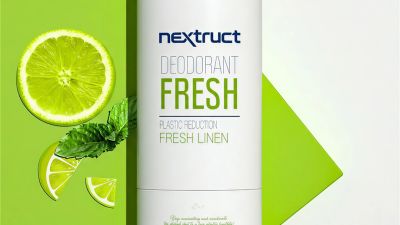
"Deodorant tubes are really becoming the go-to packaging choice for personal-care wholesalers around the world. And it's easy to see why – Grand View Research says the global deodorants market keeps growing, driven by urbanization, more premium grooming, and online retail taking off. Plus, Euromonitor points out that sustainability and convenience are big influences on what people buy. Makes a lot of sense, right?" You know, these trends don't just mess with the product formula—they also have a big say in which tube we end up with.
So, for anyone buying these tubes, the real test is whether they can make it through everything from filling and shipping to sitting on a shelf and then getting yanked out of a bathroom cabinet every day. That's a lot to ask, right? This guide takes a look at seven deodorant tubes and sizes them up against some concrete wholesale criteria—stuff like how they're built, how well they dispense, whether they leak, how good the printing looks, minimum order sizes, and if they can handle cream or gel formulas. Sure, you'll see claims about PCR plastic, mono-material designs, and lighter formats possibly cutting down on material use. But honestly, a lot of that sustainability talk needs to be backed up with actual proof before you take it at face value. Honestly, just because a tube says it's recyclable, that doesn't automatically mean it actually gets recycled everywhere – it's a bit hit or miss.
Tom Szaky, who runs TerraCycle and is pretty much the go-to guy for circular packaging, once said, “There is no such thing as recyclable packaging, only recyclable systems.” And honestly, that really hits the nail on the head. You see, a tube might look perfectly eco-friendly, but if your local recycling facility won't take it, then what's the point? So here's the thing – if you're a buyer, you really need to push your suppliers for the nitty-gritty details: material specs, migration testing, production samples, and clear instructions on what to do with it at the end of its life. Otherwise, you're just shooting in the dark. You know, Smithers' packaging research keeps stressing that recyclability isn't just about the material—it's also about how the product is structured, what labels are on it, and whether the local recycling infrastructure can actually handle it.
And let's be real: we're not going to pretend that a single tube design works for every market. Some buyers just care about keeping costs down, while others need that premium look or want something that's easier to recycle. Real-world testing still matters a lot—even the best supplier can sometimes mess up a seal, a cap fit, or a tiny decoration detail. So these seven options below give you a more grounded, practical starting point for sourcing responsibly on a global scale.
What Makes a Deodorant Tube Suitable for Global Wholesale
What Makes a Deodorant Tube Suitable for Global Wholesale
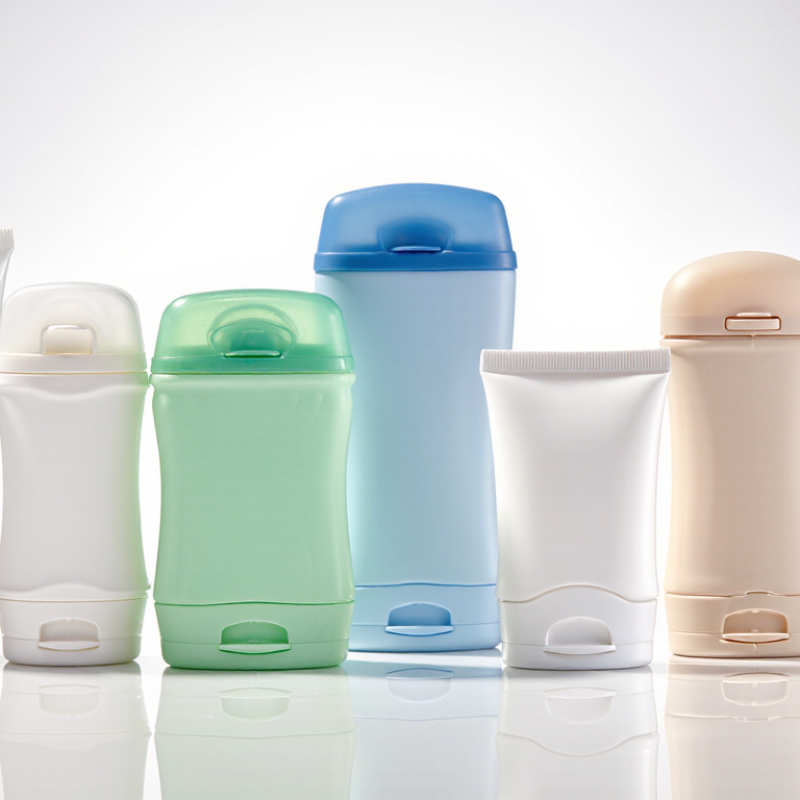
A suitable deodorant tube must survive more than a warehouse shelf. It may travel through hot ports, cold trucks, and humid storage rooms. In pilot orders, buyers should test cap security, wall strength, and smooth product movement.
Push Up Deodorant Tubes
should rise evenly without sticking or collapsing. A practical sample test uses repeated twisting, moderate pressure, and several temperature conditions. Small defects often appear after transport, not during a showroom inspection.
Material selection also affects wholesale performance. Tubes should feel firm, but not unnecessarily heavy. Recyclable plastic options may reduce packaging weight and support buyer sustainability goals. However, material claims need reliable supplier documents and clear testing evidence. Do not trust attractive wording alone. Check dimensions, resin details, color consistency, and odor resistance across production batches. One sample is not enough.
Global buyers also need stable manufacturing and export-ready packaging. Tubes should fit standard cartons, resist abrasion, and remain clean after long-distance handling. Clear labeling space helps different markets apply required product information. Suppliers should provide inspection records, test results, and realistic production timelines. Communication matters when a mold change or color variation appears. No tube is perfect. A responsible buyer leaves room for improvement after field feedback, especially when consumers report loose caps, rough edges, or difficult dispensing.
Key Materials and Packaging Formats for Deodorant Tubes
For global wholesale buyers, deodorant tubes are no longer simple containers. Material choice affects filling speed, leakage risk, recycling claims, and shelf appearance. Grand View Research valued the global deodorant market at approximately USD 27 billion in 2023, with continued growth expected through 2030. That scale makes packaging consistency commercially important.
Rigid polypropylene tubes suit solid sticks because they resist oils, waxes, and repeated twisting. High-density polyethylene works well for stronger bodies and bright printed surfaces. Laminated tubes support cream and gel formulas, while paperboard push-up tubes offer a lower-plastic alternative. Smithers’ global packaging research highlights growing demand for recyclable structures and reduced material use, but paper formats can soften in humid warehouses. That detail is easy to overlook.
Format matters too. Standard round bodies stack efficiently and fit common filling lines. Empty Round Deodorant Tubes can be purchased with push-up bases, twist mechanisms, or simple open ends for contract filling. Buyers should request wall-thickness data, closure torque tests, drop testing, and compatibility samples at the target formula temperature. PCR content may improve sustainability positioning, yet it can create color variation and odor concerns. Not every “eco” tube performs equally. A pilot order often reveals more than a polished specification sheet.
Seven Deodorant Tube Options for International Buyers
International buyers need deodorant tubes that balance shelf appeal, filling speed, and shipping durability. Grand View Research valued the global deodorants market at approximately USD 24 billion in 2023, with continued growth expected through 2030. That scale makes packaging choices commercially important, not decorative.
Seven practical options cover most wholesale needs. Standard HDPE tubes offer reliable stiffness and broad filling compatibility. PCR-HDPE tubes reduce virgin plastic use, although color variation can occur. Bio-based PE tubes support renewable-material claims but may cost more. Paperboard push-up tubes suit solid formulas and create a natural tactile experience. Laminated paper tubes improve print quality but require careful moisture testing. Aluminum tubes provide strong barrier protection and premium handling, yet dents remain a real concern. Refillable tubes can reduce repeat packaging demand, but their return systems are not simple.
Smithers’ sustainable packaging research highlights rising demand for fiber formats and lower-impact materials. Still, a “green” tube can fail if its cap, shoulder, and body use incompatible materials. Buyers should request drop tests, leakage results, wall-thickness data, and filling-line samples. A 50-gram tube should survive carton compression and temperature changes during ocean freight. Test this before placing a large order.
Packaging performance is often underestimated. Very attractive tubes may crease during transport. Very rigid tubes may waste material. The best option depends on formula viscosity, decoration method, minimum order quantity, and the destination market’s recycling infrastructure.
Comparing Capacity, Closure Design, and Dispensing Performance
For global wholesale buyers, the best deodorant tubes balance capacity, closure design, and clean dispensing.
Grand View Research estimates the global deodorant market reached about USD 24.4 billion in 2023, increasing pressure on packaging suppliers. The following seven formats deserve testing:
30g travel tubes,
50g daily-use tubes,
75g family tubes,
100g value tubes,
push-up tubes,
twist-up tubes, and
airless tubes.
Small 30g packs suit trial channels. Larger capacities reduce unit packaging costs. However, oversized tubes may feel wasteful during online delivery.
Closure performance often decides repeat orders.
Screw caps resist accidental opening and suit long-distance shipping. Flip-top caps improve one-hand use but need stronger hinge testing. Push-up designs offer simple dispensing, yet the base can loosen under heat. Twist-up mechanisms provide better dose control, although they add components and assembly checks. Airless systems protect sensitive formulas from repeated air exposure, but their higher cost may limit mass-market orders. For
Lip Tubes,
the same lesson applies: a smooth actuator and tight cap matter more than decorative details. Euromonitor’s beauty and personal care analysis highlights convenience and portability as continuing purchase drivers. That supports compact, easy-use packaging.
Tips:
Request samples at 30°C and 40°C. Test ten open-close cycles. Measure the first and final dose. Check leakage after vibration testing. Ask suppliers for resin specifications and closure torque data. A 75g tube may look ideal, but I would not approve it without formula compatibility testing. Some materials soften unexpectedly. That mistake is easy to miss. Disposal claims also require regional verification, because recycling systems differ sharply across markets.
Evaluating Sustainability, Safety, and Regulatory Compliance
7 Best Deodorant Tubes for Global Wholesale Buyers
For global wholesale buyers, the best deodorant tube balances sustainability, safety, and regulatory readiness. Seven practical options include mono-material PP, PCR plastic, HDPE squeeze tubes, paperboard push-up tubes, aluminum refill tubes, bamboo-fiber composites, and molded fiber tubes. Mono-material designs simplify sorting, while PCR content can reduce virgin plastic demand. However, PCR requires migration testing, odor checks, and consistent supply.
The OECD reported that global plastic waste reached 353 million tonnes in 2019, yet only 9% was recycled. The number is uncomfortable.
Packaging claims must match evidence. A paper tube is not automatically greener if it uses difficult barrier coatings or fails in humid warehouses. Aluminum offers durability and repeated use, but its production carries high energy demands. Buyers should request life-cycle data, recycled-content certificates, batch specifications, and transport testing.
The Ellen MacArthur Foundation has repeatedly emphasized designing packaging for a circular economy, not merely adding recycled material.
Safety and Compliance
Safety and compliance need equal attention. Suppliers should operate under ISO 22716 cosmetic GMP principles and provide stability, compatibility, and microbiological test records. In the European Union, each cosmetic product requires a safety assessment and a responsible person before market placement. In the United States, product classification can change when claims become therapeutic.
Keep wording precise. “Odor control” may require different review from a simple “fresh scent” claim.
Seven tubes sound manageable, but regional rules, climate, and filling equipment can expose weaknesses quickly.
Assessing Customization, Minimum Orders, and Production Lead Times
For global wholesale buyers, deodorant tubes require more than attractive artwork. Customization, minimum order quantities, and production lead times can reshape the landed cost. Grand View Research estimates that the global deodorants market may reach a 6.5% CAGR from 2024 to 2030. Demand is growing, but supplier capacity is not unlimited. Gloss Tubes can improve shelf visibility, yet glossy surfaces may show scratches during ocean freight. That detail is easy to miss.
Customization should begin with the filling format, resin, cap fit, decoration method, and recycling requirements. Standard HDPE or PP tubes usually offer faster sampling. Custom molds often require 25–45 days for tooling. Production may need another 20–35 days after approval. These are practical supplier benchmarks, not guarantees. MOQ commonly ranges from 10,000 units for selected stock components to 50,000 or more for complex decoration. A perfect forecast is unrealistic. Artwork changes, resin shortages, and port congestion can still add time.
Tips:
Request a physical sample, decoration proof, mold schedule, and written tolerance sheet. Ask whether the quoted MOQ applies per color, size, or total order. Smithers’ packaging research continues to highlight sustainability and material efficiency as purchasing priorities. Therefore, verify recycled-content claims with supporting documents. Do not rely on a verbal promise. A small pilot order may cost more per unit, but it can expose cap leakage, color variation, or scuffing before a larger commitment.
How to Select the Right Deodorant Tube Supplier for Your Market
The best deodorant tube supplier is not always the cheapest option. Market fit matters more than a low unit price. Experienced buyers should examine tube structure, material quality, filling compatibility, and delivery stability. Common formats include push-up tubes, twist-up tubes, refillable designs, and paper-based options. Each suits different formulas, retail prices, and customer expectations.
Request physical samples before approving production. Test the tube with your actual deodorant formula. Check leakage, cap security, twist movement, surface finish, and label adhesion. A tube may look attractive but fail after weeks of heat exposure. Ask suppliers for material specifications, quality-control records, factory capacity, and sample lead times. Confirm their minimum order quantity and tolerance standards. These details protect your launch schedule.
Tips: Compare at least three suppliers. Review recent production samples. Test cartons during transport. Ask about backup material sources. Verify color consistency across batches. Discuss mold ownership in writing. Small details become expensive later.
Communication also reveals supplier reliability. Notice whether answers are specific or vague. A professional supplier should explain production stages, inspection points, and corrective procedures. Request a written quotation with tooling, packaging, shipping terms, and replacement policies clearly listed. Local climate deserves attention too. Humid warehouses may affect labels, paper surfaces, and carton strength. I have found that buyers often overvalue appearance during sampling. That can be a costly mistake. A practical tube must perform on the filling line, in transit, and on a warm retail shelf. Perfect packaging does not exist. Careful testing reduces unpleasant surprises.
60g White Kraft Deodorant Tubes: Sustainable Packaging Insights from Smithers and Grand View Research Reports
The 60g white kraft deodorant tube reflects the packaging industry’s growing shift toward practical, lower-impact solutions for personal care products. Market research perspectives indicate that consumers and manufacturers are increasingly looking for packaging that combines responsible material choices, convenient use, and attractive presentation. Designed for solid deodorant and body care formulas, this tube offers a balanced format for everyday applications while supporting sustainability-focused product development.
Its exterior uses FSC-certified white kraft paper, providing a clean, natural appearance and a renewable material option compared with fully plastic packaging. The PCR-PP twist-up base incorporates recycled content while maintaining smooth product dispensing and dependable daily performance. Lightweight and portable, the tube is suitable for use at home, in the gym, while traveling, or in the office. Its 60g capacity also offers a convenient balance between product volume and portability.
Produced by an experienced factory in China, the tube can be customized with brand graphics, colors, finishes, and other design details to match modern deodorant and wellness collections. This flexibility helps suppliers create distinctive packaging while maintaining functional performance and a sustainability-oriented material profile.
Conclusion
Choosing the right Deodorant Tubes for global wholesale requires more than comparing appearance and price. Buyers should evaluate material options such as paperboard, plastic, and recycled-content formats, along with capacities, closure styles, and dispensing performance. The best options should protect the formula, provide smooth application, resist leakage, and remain practical for shipping and retail display. Sustainability, product safety, recyclability, and compliance with destination-market packaging requirements are also essential factors when comparing suppliers and formats.
International buyers should also assess customization capabilities, printing quality, minimum order quantities, sampling procedures, and production lead times. A reliable supplier should communicate clearly, maintain consistent quality control, provide appropriate technical documentation, and support packaging adjustments for different markets. By balancing functionality, sustainability, regulatory readiness, and commercial flexibility, wholesalers can select Deodorant Tubes that meet consumer expectations while supporting efficient production, dependable logistics, and long-term market growth.