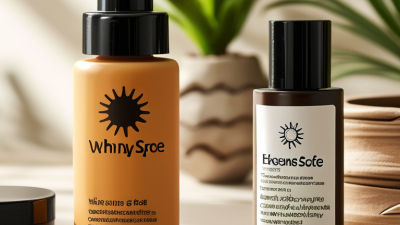
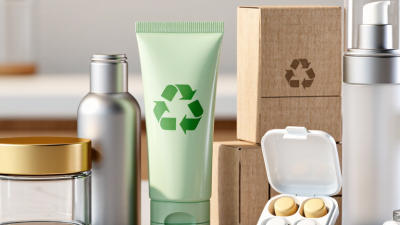
Picking the right sunscreen packaging isn’t just about pretty colors and clean graphics. Global buyers need containers that actually protect formulas, keep costs under control, and hold up across different climates. A tube that’s fine in a cool warehouse might soften during ocean transport. An airless pump can protect sensitive ingredients, sure—but it may also raise unit cost and make assembly more complicated.
In this guide, we look at ten practical packaging options: squeeze tubes, airless bottles, jars, sachets, refill systems, and more. Each one brings different pros for protection, usability, branding, and shipping efficiency. Packaging Sunscreen also means paying close attention to closure quality, material compatibility, label durability, and tamper evidence. And honestly? Small details matter. A weak cap can turn into a major customer complaint.
Our recommendations come from common packaging development practices, supplier evaluations, and real production headaches. We think about leak testing, drop testing, temperature exposure, filling accuracy, and recycled content claims. That said, buyers should still check local requirements with qualified regulatory professionals before launch. Standards vary by market, and packaging claims need proof behind them.
There’s no one best solution for everyone. Cost, product viscosity, sales channel, and target customer all shape the final call. Sometimes the most sustainable-looking package is hard to recycle. Sometimes a premium pump creates unnecessary waste. Those trade-offs deserve an honest look. The strongest Sunscreen Packaging strategy balances protection, compliance, manufacturing reliability, and customer experience—without overpromising.
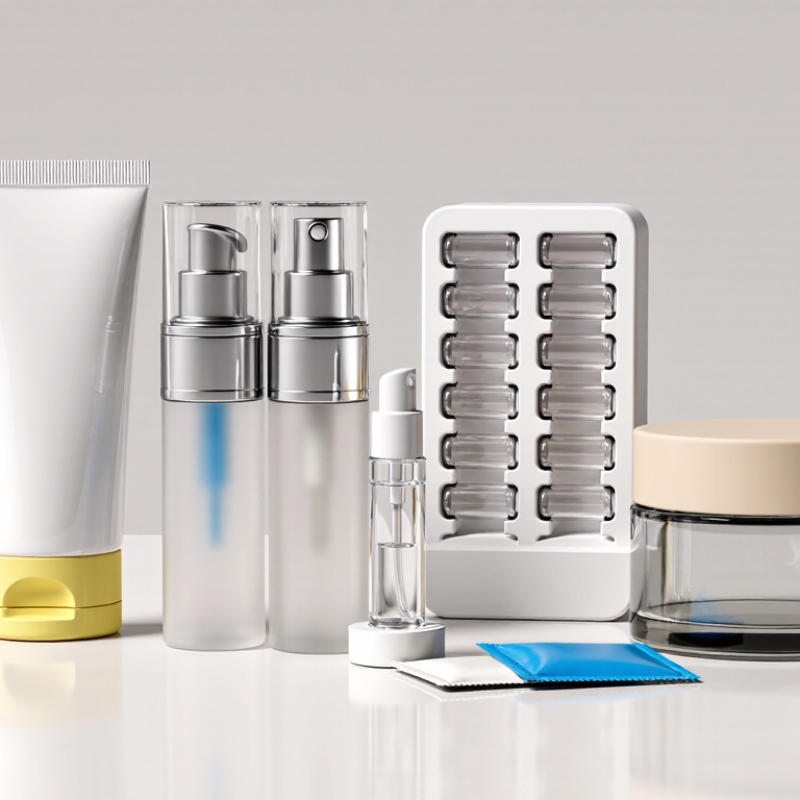
Sunscreen Packaging must support clear, defensible protection claims across different markets. SPF 30+ usually indicates strong UVB protection, but the number requires controlled testing. ISO 24444 is widely used for in vivo SPF testing. PA++++ signals very high UVA protection, often linked to persistent pigment darkening results. These ratings belong to the tested formula, not the container alone. Packaging should protect that formula from heat, light, air, and contamination.
Tips: Choose opaque tubes, airless pumps, or tightly sealed bottles for sensitive formulations. Add batch codes, expiry dates, usage directions, and storage guidance. Use readable labels for SPF, PA, water resistance, and responsible application. Check whether each market accepts the selected testing method. A single label may not suit every country. Small print creates large problems.
From a sourcing perspective, packaging suppliers should provide material specifications, migration data, closure testing, and compatibility records. A pump that works in a laboratory may clog after repeated beach use. That detail is easy to miss. I would also test the filled pack through transport vibration, temperature cycles, and repeated opening. ISO 24444 does not replace package validation. Packaging teams sometimes focus on appearance first, then discover leakage or fading labels. That sequence deserves reconsideration. A reliable package makes the protection claim easier to understand, verify, and use correctly.
For global buyers, Sunscreen Tube Packaging should be judged by measured performance, not attractive artwork. Ask suppliers for oxygen transmission rate and water-vapor transmission rate under declared temperature and humidity. ASTM D3985 and ASTM F1249 offer useful testing frameworks. Results can still shift with film structure, seal quality, and aging.
Small details matter. A practical dose test weighs at least 30 dispenses from one production batch. Record the first squeeze, the middle range, and the final residue. Compare average output with the labeled dose. A 1.5 ml target is not reliable if actual delivery varies between 1.2 and 1.8 ml. Check cap leakage, nozzle recovery, and one-handed usability. These factors affect consumer trust and product waste.
MOQ needs a landed-cost review, including tooling, freight, inspection, and slow-moving stock. A low unit price can become expensive when cartons sit for eighteen months. LCA should compare material weight, recycled content, transport distance, and end-of-life pathways using the same functional unit. The OECD Global Plastics Outlook reported 353 million tonnes of plastic waste in 2019, with only 9% recycled. UNEP’s 2023 report estimates that plastic pollution could fall by 80% by 2040 through system changes. Those figures make lightweighting valuable, but not automatically better. A thinner tube may lose barrier strength or dispensing accuracy. Buyer teams should document that trade-off, even when the data looks inconvenient.
| No. | Packaging Solution | Typical Product Fit | Primary Material Structure | Barrier Performance | Dose Accuracy | Typical MOQ | Indicative LCA Profile | End-of-Life & Circularity | Global Buyer Assessment |
|---|---|---|---|---|---|---|---|---|---|
| 1 | Airless Pump Bottle | Premium face sunscreen, sensitive-skin lotion, preservative-reduced formulas | PP or HDPE bottle with PP pump; optional EVOH or multilayer barrier |
High Typical oxygen and moisture protection is suitable for oxidation-sensitive emulsions; opaque options provide strong light protection. |
0.20–0.50 mL per actuation Typical repeatability: approximately ±5–10% after pump priming. |
5,000–20,000 units | Medium material use per pack; lightweight designs and mono-material PP construction can reduce impact. | Recyclability is strongest when the bottle, shoulder, and actuator use compatible PP or PE. Pump disassembly may be required. | Strong choice for premium positioning, formula protection, controlled dispensing, and reduced product backflow. |
| 2 | Laminated Squeeze Tube | Daily SPF lotion, family sunscreen, travel-size cream | PE/PE laminate or PE/EVOH/PE; HDPE or PP cap |
High Good moisture, oxygen, and light protection when an EVOH or aluminum barrier layer is included. |
0.5–2.0 mL per squeeze Typical user-to-user variation: approximately ±10–20%. |
10,000–50,000 units | Low-to-medium packaging mass; all-PE structures generally offer a better recycling pathway than aluminum-laminated tubes. | All-PE tubes may be compatible with flexible PE recycling streams where available. Aluminum laminates are generally more difficult to recycle. | Balanced solution for cost, portability, broad format availability, and moderate-to-high barrier performance. |
| 3 | Mono-Material HDPE Squeeze Bottle | Family-size sunscreen, beach and outdoor applications | HDPE bottle with HDPE or PP closure; optional masterbatch color |
Medium–High Good moisture resistance and chemical durability; light protection depends on pigmentation or opacity. |
1.0–5.0 mL per squeeze Typical repeatability: approximately ±15–25%. |
10,000–50,000 units | Favorable mass-to-volume ratio and established recycling infrastructure in many markets; PCR content can often be incorporated. | Widely recognized HDPE format; use a compatible closure and washable decoration to improve sorting and recycling. | Practical high-volume option with strong durability, competitive cost, and relatively straightforward recycling. |
| 4 | PP Sunscreen Stick | Face stick, sports stick, nose and lip protection | PP twist-up barrel, PP mechanism, PP cap; optional paperboard carton |
High Solid format limits water loss and provides strong protection against leakage; opaque packaging protects light-sensitive ingredients. |
0.3–1.0 g per application cycle Dose depends on swipe count, pressure, and stick diameter; typical variation is ±15–30%. |
10,000–30,000 units | Low liquid-loss risk and compact shipping profile; mechanical components increase material complexity compared with a simple tube. | Mono-PP construction is preferable. Remove labels, cartons, and mixed-material components where local recycling rules require it. | Excellent for portability, targeted application, mess reduction, and sports or travel channels. |
| 5 | Aluminum Aerosol Can | Continuous spray sunscreen, quick-dry body products | Monobloc aluminum can with valve, actuator, and protective cap |
High Excellent light, oxygen, and moisture barrier; pressure integrity must be validated through transport and stability testing. |
0.6–1.2 g per second Spray output can usually be controlled within approximately ±10–15% with a validated valve system. |
20,000–100,000 units | High primary-material energy demand, but aluminum has strong recycling value and can contain recycled content depending on supply. | Widely recyclable when completely empty; aerosol pressure and residual contents require compliance with local waste regulations. | High-performance format for sprayability and barrier protection, with greater regulatory and transport complexity. |
| 6 | Bag-on-Valve Spray | Premium aerosol-free spray, sensitive formulations, 360-degree application | Aluminum or tinplate can with internal laminated pouch, valve, actuator, and propellant |
Very High Product is isolated inside the pouch, reducing exposure to oxygen and propellant and supporting broad orientation spraying. |
0.7–1.3 g per second Typical output variation is approximately ±10–15% after valve and actuator validation. |
20,000–100,000 units | Higher component count than a simple tube; potential benefits include low residual product and efficient dispensing. | Can recycling is possible in many regions, but the pouch and valve complicate material separation. Empty-container handling is essential. | Strong option where formula isolation, complete evacuation, and consistent spray performance justify higher system cost. |
| 7 | Refillable Rigid Bottle System | Premium daily sunscreen, subscription and retail refill programs | Durable PP, HDPE, PET, or glass outer container with lightweight refill cartridge or pouch |
Medium–High Barrier depends on the refill structure; opaque or UV-protective designs are preferred for photostable performance. |
0.5–2.0 mL per pump Typical pump repeatability: approximately ±5–10% after priming. |
5,000–20,000 starter units; 10,000–50,000 refills | Potentially favorable after multiple reuse cycles; transport, cleaning, reverse logistics, and refill frequency determine the actual result. | Reuse can reduce packaging per use. Refill components should be designed for easy replacement and clearly separated disposal. | Best for established markets with repeat purchasing, reliable refill logistics, and consumer willingness to reuse the outer pack. |
| 8 | Recyclable Paperboard Push-Up Tube | Solid sunscreen stick, eco-positioned travel products | Paperboard body with moisture-resistant inner coating, paper or PP base, and optional cap |
Medium Suitable for anhydrous sticks; coating selection is critical for grease resistance, dimensional stability, and product compatibility. |
0.3–1.0 g per application cycle Dose variation is typically ±15–30% because application depends on user pressure and swipe count. |
10,000–30,000 units | Lower plastic content and renewable fiber potential; additional coatings, rejects, and moisture protection can affect the footprint. | Recycling depends on local acceptance of coated fiber packaging. Clearly identify paper and non-paper components. | Attractive for reduced-plastic positioning, but requires careful validation for humidity, oil migration, and mechanical strength. |
| 9 | PCR-HDPE Lotion Bottle with Disc Cap | Mass-market body sunscreen, value and pharmacy channels | Post-consumer recycled HDPE bottle with PP or HDPE flip-top closure |
Medium Strong moisture resistance and good chemical durability; color and PCR variability may affect appearance and light protection. |
1.0–5.0 mL per opening Dose is user-controlled; typical variation is approximately ±20–30%. |
20,000–100,000 units | Recycled resin can reduce demand for virgin plastic; actual benefits depend on PCR source, washing, processing energy, and transport. | High recycling familiarity in many markets. Use approved PCR grades and validate odor, color, extractables, and product compatibility. | Cost-effective sustainability option for large volumes where moderate dose control is acceptable. |
| 10 | Metered-Dose Pump Dispenser | Dermatological sunscreen, clinic, resort, and controlled-use applications | PP or HDPE container with calibrated pump, dip tube, actuator, and protective cap |
High Container material and opacity can be selected for moisture, oxygen, and UV protection; pump design limits repeated product exposure. |
0.25–1.50 mL per actuation Validated systems commonly target approximately ±5–10% dose consistency. |
10,000–50,000 units | Moderate material use and strong product evacuation potential; pump complexity adds components and assembly steps. | Recycling improves with mono-material PP or PE components. Mixed springs, elastomers, and metal parts may require separation. | Recommended when dose consistency, hygiene, and professional presentation are more important than the lowest unit cost. |
For global sunscreen buyers, packaging must protect the formula and support reliable daily use. Airless pumps reduce repeated air exposure after opening. They also help dispense controlled amounts, which can reduce product waste. A smooth pump head feels clean in hotels, pharmacies, and outdoor stores. However, thick mineral formulas may move slowly through narrow systems. Testing matters.
Laminated tubes offer a practical balance between protection, cost, and shipping efficiency. Their layered structure can help limit light, oxygen, and moisture contact. A flip-top cap is useful at beaches, where wet hands are common. The shoulder and seal need careful inspection. Small leaks become expensive during warm-container transport. Some tubes also suit Sunscreen Stick Packaging concepts when buyers need compact, travel-friendly formats, although the material design may differ.
Single-dose sachets provide measured portions for samples, travel kits, and professional settings. They are lightweight and easy to distribute. Their flat shape saves shelf and shipping space. Yet sachets can create more packaging waste per use, which responsible buyers should assess honestly. Seal strength, tear direction, and printing durability require real-world checks. A sachet that tears unevenly is frustrating. No format is perfect. Buyer feedback, climate testing, and compatibility trials should guide the final choice, rather than appearance alone.
For global sunscreen buyers, Solutions 4–6 deserve close attention as EU packaging rules move toward 2030. PCR plastic can reduce virgin resin use in bottles, tubes, and caps. However, PCR may show small color variations, odor, or viscosity-related compatibility issues. Buyers should request migration tests, batch samples, and documented recycled-content percentages. A recycled claim without traceable evidence can create procurement problems.
Mono-material packs simplify recycling because the main body uses one polymer family. A polyethylene tube with a compatible cap is easier to sort than a mixed laminate structure. Labels, inks, shoulder parts, and dispensing valves still need review. Small components matter. Packaging trials should include squeezing tests, leakage checks, drop tests, and aging under heat. I have seen attractive prototypes fail after repeated opening.
Aluminum packs offer strong barrier performance and a solid, premium feel. They can protect sunscreen from light and oxygen when properly coated. Yet, aluminum tubes often include plastic closures and internal coatings, which affect recycling assessments. Suppliers should provide coating specifications, recyclability evidence, and filling-line compatibility data. EU 2030 expectations are not met by material choice alone; design, collection systems, and verified recyclability also matter. No format is automatically compliant. The practical decision may require a compromise between PCR content, mono-material simplicity, product protection, and manufacturing reliability.
For global buyers, sunscreen sticks and sprays offer practical solutions within the 100 mL TSA limit. A twist-up stick keeps the formula contained and avoids liquid spills. Its compact shape fits beach bags, toiletry cases, and retail travel kits. However, a stick may soften inside a hot delivery carton. A firm wax structure and protective cap can reduce deformation.
Spray packaging supports quick, even application on arms, shoulders, and legs. Airless pumps help limit contamination and reduce product waste. Aerosol formats need closer transport and destination checks, because rules can differ by country. For carry-on travel, each liquid or spray container should remain within the applicable 100 mL limit. The container size matters, even when partly empty. Clear labeling also helps airport inspection. Small details matter.
Tips: Test the cap after repeated opening. Check the nozzle for clogging. Use leak testing before shipment. Keep the formula stable under heat. Do not rely on appearance alone. A sleek package can still fail in a suitcase. Buyers should confirm current airline and customs requirements before final production. That step feels slow, but it prevents costly redesigns and rejected shipments.
Solution 9: Refill systems can reduce packaging waste for sunscreen buyers serving repeat customers. A durable outer case may hold replaceable cartridges with measured lotion volume. In pilot testing, the cartridge must lock firmly and dispense without leaks. A bathroom shelf exposes weak seals quickly. Materials should resist oil, heat, and ultraviolet exposure during transport. Clear refill instructions also matter, especially for international users. Some buyers prefer mono-material components because sorting becomes simpler. However, refill programs are not automatically circular. Extra shipping, mixed materials, or poor collection access can weaken the result. Measure packaging weight, refill frequency, return rates, and transport distance before making claims.
Solution 10: Smart packs can connect physical packaging with practical recycling guidance. A small printed code may show material layers, disassembly steps, and local disposal information. Digital records can also support batch tracking and evidence for circularity reporting. Keep the code readable after sunscreen residue and handling. The pack still needs basic information without requiring a smartphone. Reliability comes from testing the code, label adhesion, and data accuracy across markets. A failed pilot taught us that consumers often remove caps but ignore inner seals. Design teams should observe real use, not only laboratory behavior. Smart features add value only when they improve recovery, refill behavior, or verified reporting. Simpler can be better.
For global sunscreen buyers, packaging is a compliance system, not merely a visual shell. Sunscreen Packaging Materials must protect formulas from UV exposure, oxygen, leakage, and repeated hand contact. A 50 ml tube needs a cap that closes cleanly after beach use. Pumps require compatibility testing because alcohol, oils, and filters can stress seals. Request material specifications, migration data, and stability results from suppliers. Test filled samples under heat, light, and transport vibration.
In the United States, sunscreen products are generally regulated as over-the-counter drugs. Packaging should support required Drug Facts labeling, net contents, warnings, lot coding, and tamper evidence where applicable. Claims need careful review against current FDA requirements. In the EU, sunscreen is usually a cosmetic product, but the responsible person, safety report, product information file, ingredient declaration, and claims substantiation remain essential. The package must leave enough readable space. Tiny text creates avoidable risk.
ISO 22716 helps buyers assess hygienic production, documented procedures, traceability, and controlled packaging operations. It does not replace local law or a product safety assessment. UN 38.3 matters only when the package or dispensing system contains lithium batteries, such as a smart applicator. It requires battery transport testing, not sunscreen approval. Ask for current test reports, not informal assurances. In practical reviews, teams often focus on decoration while ignoring closure torque and carton compression. That choice can damage seals during international freight. Compliance files should be reviewed by qualified regulatory professionals in each target market. No checklist stays perfect forever.
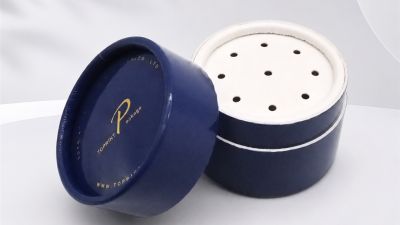
Custom paper loose powder jars are gaining attention as sustainability becomes a stronger purchasing factor in the cosmetics packaging market. Insights associated with Euromonitor and Grand View Research reports indicate growing demand for lightweight, recyclable, and resource-conscious packaging, especially among consumers seeking practical alternatives to conventional plastic containers. Paper-based exteriors can support this shift while offering a natural, premium appearance that suits modern makeup collections.
Our eco-friendly paper blush compact is designed for pressed blush, highlighter, contour, and other powder-based formulas. A durable aluminum inner pan helps protect the product and maintain reliable use, while the paper exterior reduces dependence on plastic. Its lightweight structure makes it convenient for travel, retail display, and efficient transportation. The compact can also be customized to reflect different product concepts and market preferences.
As an experienced cosmetic packaging factory in China, we provide flexible options for capacity, dimensions, colors, printing, and surface finishes. Whether you are developing a minimalist collection or a distinctive custom line, our team can help create paper loose powder jars that balance functionality, visual appeal, and sustainability-focused packaging goals.
They reduce repeated air exposure after opening. They also dispense controlled amounts. Less waste, usually. However, thick mineral formulas may move slowly through narrow pumps. Testing remains necessary.
Laminated tubes balance protection, cost, and shipping efficiency. Their layered structure can limit light, oxygen, and moisture contact. Flip-top caps work well with wet beach hands. Inspect shoulders and seals carefully. Warm containers can turn tiny leaks into expensive losses.
Sachets provide measured portions for samples, travel kits, and professional settings. Their flat shape saves shelf space. They are lightweight. However, each use may create more packaging waste. Seal strength and tear direction need real-world testing.
Recycled plastic can reduce virgin resin use in bottles, tubes, and caps. It may show color variation, odor, or compatibility problems. Request migration tests and batch samples. Verify recycled-content percentages with traceable documents. A claim alone is weak evidence.
Mono-material packs mainly use one polymer family. This can simplify sorting and recycling. A compatible cap still matters. Labels, inks, shoulders, and valves require review. Attractive prototypes sometimes fail after repeated opening.
No format is automatically compliant. Aluminum provides strong light and oxygen protection when properly coated. Plastic closures and internal coatings may affect recycling assessments. Buyers should request coating details, recyclability evidence, and filling-line compatibility data.
A twist-up stick contains the formula and helps prevent liquid spills. It fits beach bags and toiletry cases. Heat can soften it. Sprays support quick application on arms, shoulders, and legs. Each container must follow the applicable 100 mL travel limit.
Test caps after repeated opening. Check spray nozzles for clogging. Perform leak tests before shipment. Assess formula stability under heat. Confirm current airline and customs requirements. This feels slow, but it can prevent rejected shipments.
This guide presents ten practical Sunscreen Packaging solutions for global buyers, balancing product protection, usability, compliance, and sustainability. It explains how SPF 30+, ISO 24444 testing, and PA++++ expectations influence packaging selection, while highlighting key evaluation criteria such as barrier performance, dose accuracy, minimum order quantity, lifecycle impact, and supply-chain efficiency. Airless pumps, laminated tubes, and single-dose sachets are compared for their ability to preserve formulas and support convenient application.
The guide also examines PCR plastics, mono-material designs, aluminum packs, sticks, sprays, refill systems, and smart packaging concepts in relation to evolving European recycling objectives and the 100 mL travel limit. It concludes with a practical compliance checklist covering cosmetic requirements in major markets, ISO 22716 good manufacturing practices, and UN 38.3 considerations for applicable shipments. By assessing format, materials, dispensing performance, and end-of-life options together, buyers can select packaging that supports product stability, consumer convenience, regulatory readiness, and long-term circularity goals.