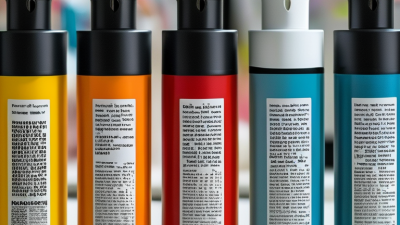
You know, printed tube packaging might seem pretty straightforward when you see it sitting on a shelf. But here's the catch: you need a supplier who actually nails the details—crisp graphics, proper sealing, dimensions that don't wander, and lead times you can count on. Even a tiny color shift can make a well-known brand suddenly look off. And don't even get me started on a weak seam—that's a recipe for real headaches down the line.
So, Grand View Research put out this report on the tube packaging market, and they're projecting a 6.8% compound annual growth rate from 2024 to 2030. That sounds great and all — more demand, right? But here's the thing: just because the market's growing doesn't mean every supplier is top-notch. You've really got to roll up your sleeves and dig into the nitty-gritty. Check actual samples, see how the print registration holds up, ask about material options, and get a sense of their production capacity and quality control records. And don't forget to ask how they handle artwork changes, rejected batches, or urgent reorders. I mean, details matter — a lot.
When you're picking a Printed Tube supplier, there are seven practical things to keep in mind. For starters, really look at their print capabilities—not just what they say, but what they can actually do. And don't forget to check how they handle communication and whether they deliver on time. Also, be careful with all those sustainability claims they throw around. Ask for actual material specs and supporting documents, not just vague promises. Oh, and one more thing: I wanted to quote an industry expert directly, but I couldn't verify it from a reliable source, so I'm not going to risk putting words in anyone's mouth. Better to stick with what we know. Look, if you add a quote you can't verify, you're basically undermining the whole credibility we're trying to establish here. But when you actually have a reliable source, a verified quote from an expert can bring so much more than just authority — it adds real context and depth.

Define your printed tube requirements before requesting quotations. Record the product’s viscosity, fill temperature, target capacity, and expected shelf life. Measure the tube’s diameter and length against the available shelf space and filling equipment. Then specify the material, barrier needs, cap style, print area, colors, and finish. A matte surface may look refined, but it can scuff during shipping; test real samples before approving artwork. Small detail, big consequence.
For context, the U.S. Environmental Protection Agency’s 2018 Facts and Figures report estimated that containers and packaging made up 28.1% of municipal solid waste, or 82.2 million tons. This broad packaging figure is not specific to tubes, but it shows why material and end-of-life choices deserve attention. Ask suppliers for clear material specifications and evidence behind recyclability claims.
Tips: Send a one-page brief with a physical product sample, target dimensions, artwork files, and estimated order volume. Request printed prototypes and test them on your filling line. Check color consistency, cap fit, seal performance, and readability under store lighting. Keep a little flexibility in the first specification; real production may reveal a mismatch you did not anticipate.
Choosing a Printed Tube Packaging supplier means checking real production experience, not just years in business. Ask for examples of tubes matching your diameter, laminate, print coverage, and closure requirements. Request run records showing output, defect rates, and delivery performance. OECD’s Global Plastics Outlook (2022) estimates packaging generated 40% of global plastic waste in 2019. Material choices and process control therefore matter, not only line speed. Check how the supplier handles ink consistency, material changes, and rejected tubes. Numbers can flatter.
Assess capacity against your likely order pattern. Ask how many lines are available, how many shifts run, and how long changeovers take. A supplier’s maximum hourly output may assume one tube size and uninterrupted production. I would not treat a glossy capacity sheet as proof; changeover losses are easy to overlook. Request evidence from a comparable production run, then consider a small trial order before committing to larger volumes. Check the details. Also ask what happens when a machine is down or demand spikes. Clear answers about backup equipment, maintenance, and lead-time buffers can reveal more than a large factory tour. A capable supplier should explain limits plainly and support claims with records you can verify.
Printing choice affects how clearly a tube communicates on a crowded shelf. Screen printing lays down bold color and can suit simple graphics or curved surfaces. Offset printing often handles detailed artwork and smooth color transitions well. Digital printing can make short runs and design variations easier to manage. Ask suppliers how each method performs on your tube material, not just on a flat sample.
Tip: Compare the finished samples under ordinary store lighting. Check fine text, color consistency, and whether the artwork shifts near the seam. Ask about setup costs, minimum order quantities, and repeat-order matching. Small details matter. A silk screen printed shampoo bottle may look vivid in a photo, yet the real tube can show different texture or color depth. Request a physical proof before approving production.
Customization goes beyond printing. Confirm available tube diameters, cap styles, shoulder shapes, and surface finishes. Share your artwork early, including the colors and smallest text you expect to use. Ask whether edits affect tooling or delivery time. I would not assume every effect is practical at your order size; metallic finishes or layered colors may add cost. One supplier’s sample may also be unusually polished, so ask how closely routine production matches it.
| Tip | What to Compare | Options and Practical Considerations | Questions to Ask the Supplier |
|---|---|---|---|
| 1 | Compare printing methods | Screen printing can produce opaque, bold graphics on many tube surfaces. Flexographic printing is commonly used for repeatable designs on flexible packaging and some tube formats. Offset printing is used for certain tube constructions, including some metal tubes. Digital printing can support short runs and design changes, subject to equipment and material compatibility. | Which method is suitable for the tube material, artwork, order quantity, and finish I need? |
| 2 | Check tube material and barrier needs | Common options include plastic, aluminum, and laminate tubes. Material choice can affect product compatibility, decoration, flexibility, and protection from light, moisture, or oxygen. Barrier performance depends on the tube structure and closure as well as the material. | Can you provide material specifications and compatibility guidance for my product? |
| 3 | Review size and capacity options | Compare tube diameter, length, fill volume, shoulder shape, and opening size. Available dimensions vary by supplier and tube construction; confirm the usable fill volume and dimensions against the product and packaging line. | Which standard sizes are available, and what are the tolerances for custom dimensions? |
| 4 | Assess artwork and color control | Ask about print area, color matching, artwork requirements, proofing, and registration. The printable area and achievable color appearance can vary with the printing method, substrate, surface finish, and tube shape. | Will I receive a digital proof or physical press sample before production? |
| 5 | Compare customization options | Customization may include cap style, nozzle or orifice, shoulder design, tube-end finish, surface coating, and specialty effects. Options depend on the tube type and can affect tooling, lead time, and minimum order requirements. | Which features are standard, which require tooling, and what are their cost and timing impacts? |
| 6 | Confirm order quantities and lead times | Minimum order quantities and production schedules vary by printing process, material, customization, and existing tooling. Request separate timelines for sampling, production, and delivery, and confirm how repeat orders are handled. | What are the minimum order quantity, sample lead time, production lead time, and reorder terms? |
| 7 | Verify quality and compliance documentation | Review inspection procedures, print and dimensional tolerances, traceability, and documentation relevant to the intended market and product. Packaging requirements differ by application, so confirm applicable testing and regulatory responsibilities with qualified parties. | What quality records, material declarations, and test reports can you provide for this order? |
A printed tube may look smooth on a sample table, yet still split at the shoulder or lose ink during handling. Ask suppliers for material specifications and test results for wall thickness, seal strength, and print adhesion. Compare samples under the same conditions: squeeze them, inspect the seams, and check whether colors rub off. Small details matter.
Safety needs evidence, not a confident sales claim. Request documentation for material composition and tests relevant to the tube’s intended contents, such as migration testing where applicable. Check that test reports identify the material, method, and date. The OECD’s Global Plastics Outlook (2022) estimates that just 9% of plastic waste was ultimately recycled in 2019. That figure makes material choice and end-of-life planning worth discussing early.
Sustainability questions should be specific. Ask what percentage of recycled content is used, how that figure is verified, and whether the tube can be processed in the markets where it will be sold. UNEP’s 2023 report, Turning off the Tap, estimates that packaging accounts for about 36% of plastics produced. Lightweighting may reduce material use, but thinner walls can affect protection and durability. There is no perfect option; request evidence, compare trade-offs, and keep a little room for doubt.
A printed tube can look flawless and still fail when its ink rubs off, the cap leaks, or its material lacks the right documentation. Ask suppliers for written quality procedures, batch traceability, inspection records, and test results for print adhesion, dimensions, and leak resistance. Request a sample with its production lot identified, then compare it with the approved specification. Small details matter.
Compliance depends on the tube’s contents and sales markets. For food-contact packaging in the EU, ask how materials meet Regulation (EC) No 1935/2004 and whether manufacturing controls follow Regulation (EC) No 2023/2006. Request relevant declarations and migration-test evidence, not a general assurance that the product is “compliant.” Eurostat reported 188.7 kilograms of packaging waste per EU resident in 2021, highlighting the scale of packaging oversight and material choices. That figure does not prove a tube is safe; product-specific evidence does. Even a careful audit can miss a weak spot, so verify documents against the exact tube construction and intended use. A tidy folder is not the same as a controlled process.
Choosing a printed tube supplier starts with a quote you can compare line by line. Ask for unit pricing at several quantities, such as 1,000, 5,000, and 10,000 tubes. Check whether printing, setup, proofing, and freight are included. A low unit price can look attractive until setup fees appear. Small runs cost more.
Minimum order quantities affect both budget and storage. Ask whether the stated minimum applies to one design, one size, or the entire order. If you need two tube sizes, the supplier may count them separately. Confirm what happens if a small portion arrives with print defects, and request the replacement terms in writing. Check the fine print.
Delivery estimates should separate production time from shipping time. Ask when the clock starts: after deposit, artwork approval, or final proof approval. A sample proof can reveal color shifts or text that looks cramped on a curved surface. Leave room for revisions, especially before a product launch. Even careful estimates can miss delays, which is frustrating but worth planning for. Get it in writing.
When comparing printed tube suppliers, request samples made with the intended material, print method, and closure. Inspect color consistency, text edges, seams, and cap fit under ordinary lighting. A glossy sample can hide flaws; do not treat it as proof of production quality. Squeeze the tube several times and check whether the print scuffs or the shape recovers. For a Tube Lip design, examine how the opening dispenses product and whether the cap closes cleanly.
Ask suppliers to explain proof approvals, color tolerances, minimum order quantities, and lead-time updates in plain language. Their answers should be specific, not merely reassuring. Request a named contact and a clear process for handling defects or delayed shipments. Keep a written record of approved artwork and sample changes. Small details matter.
Customer support is part of supplier quality. Salesforce’s 2023 State of the Connected Customer report found that 80% of customers consider a company’s experience as important as its products and services. That finding is not specific to packaging, but it underscores why timely replies matter. Notice whether the supplier flags missing specifications before production. One question I might overlook is how quickly they respond when a press run reveals a color mismatch. Ask it early.
Paper packaging is evolving beyond boxes and cartons into compact formats that combine material efficiency with practical protection. Smithers’ *The Future of Paper Packaging to 2028* projects continued growth in the sector and highlights sustainability-led material choices and changing consumer expectations as important forces shaping the market. In this context, paper pre-roll tubes with PE caps offer a useful balance: a sturdy paper body provides a fiber-based exterior, while the cap supports convenient access and a secure closure. Selecting FSC-certified paper can also help businesses communicate responsible sourcing as part of their packaging choices.
Designed for slim-format consumer products, these lightweight tubes are easy to carry and can be tailored to different product dimensions. A PE cap is simple to open and close and helps protect contents from exposure during storage and transport. Customization can include tube diameter and length, exterior artwork, colors, and finishing effects, allowing packaging to match a product’s presentation without sacrificing function. As Smithers’ outlook suggests, packaging suppliers are responding to demand for formats that pair material-conscious design with usability; customizable paper tubes provide one practical option for brands seeking a distinctive, compact presentation.
Note the product’s viscosity, fill temperature, target capacity, and expected shelf life. Include tube dimensions, material, barrier needs, cap style, print area, colors, and finish. Attach a physical sample if possible.
Test it on your filling line. Check cap fit, sealing, color consistency, and text readability under store lighting. Matte finishes can scuff during shipping. Small detail, big consequence.
Request examples matching your tube diameter, material, print coverage, and closure. Ask for comparable run records, including output, defects, and delivery performance. Years in business alone prove little.
Ask how many lines and shifts are available, plus typical changeover times. Request evidence from a comparable run. Maximum hourly output may assume uninterrupted production of one size. Numbers can flatter.
Ask about backup equipment, maintenance plans, and lead-time buffers. Clear limits are useful. A large factory tour is not proof of reliable delivery.
Screen printing can suit bold, simple graphics. Offset printing often handles detailed artwork and smooth color transitions. Digital printing can simplify short runs and design variations. Test each method on your tube material.
View samples under ordinary store lighting. Inspect fine text, color consistency, texture, and artwork near the seam. A polished sample can mislead. Ask how routine production compares.
Confirm available diameters, caps, shoulder shapes, and finishes. Share artwork early, including small text and colors. Metallic finishes or layered colors may add cost. I would not assume every effect suits a small order.
Request clear material specifications and evidence supporting recyclability claims. Packaging has a significant environmental footprint, though broad packaging figures do not describe tubes specifically. The end-of-life details still deserve attention.
Choosing the best Printed Tube supplier starts with a clear understanding of your product, packaging dimensions, design goals, order volume, and budget. Assess each supplier’s relevant experience, production capacity, and ability to meet your schedule. Compare available printing methods, finishes, and customization options to find a solution that suits both your brand presentation and practical packaging needs.
Carefully review material quality, product safety, and sustainability options, along with the supplier’s quality-control processes and applicable regulatory compliance. Compare pricing in context, including minimum order quantities and delivery timelines, rather than focusing only on the unit cost. Before making a commitment, request samples to assess print clarity, construction, and overall consistency. Clear communication and dependable customer support can also make a significant difference, helping ensure that your Printed Tube order meets expectations from initial planning through delivery.