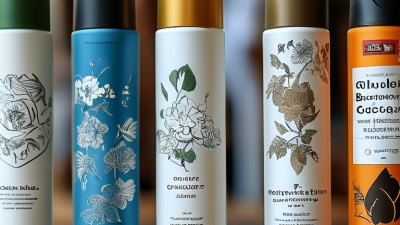
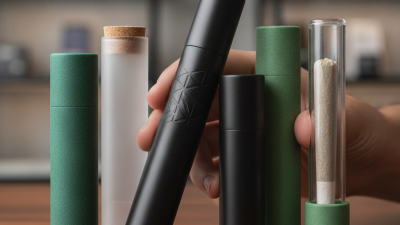
As the beauty world keeps changing, finding the right makeup packaging is more important than ever. I mean, did you know that back in 2022, the global cosmetic packaging market was worth around $28.5 billion? And it’s expected to keep growing at about 5.5% annually through 2030. That just goes to show how much brands are really leaning into packaging—not just to protect their products but also to catch your eye on the shelves.
Lisa Martin from PackTech Solutions, who really knows her stuff when it comes to cosmetic packaging, says, 'Having the right makeup packaging can do wonders for your brand identity and can even boost your sales.' But honestly, a lot of brands tend to overlook how much sustainable materials and innovative designs can make a difference. Plus, with so many options out there, it can get pretty overwhelming. It's easy to get scared of picking the wrong one.
That’s why brands should be okay with a bit of trial and error when it comes to their packaging choices. You’ve got to listen to what your customers want and keep tweaking things along the way. Looking ahead to 2026, personalization and functionality are going to be key. The tricky part is blending creative ideas with eco-friendly, sustainable solutions without compromising on either.
All in all, beauty brands need to rethink how they approach makeup packaging — making sure it really reflects who they are and matches what consumers are looking for. It’s not always a straightforward process; sometimes, you’ve just got to step back, reflect, and adapt as you go.
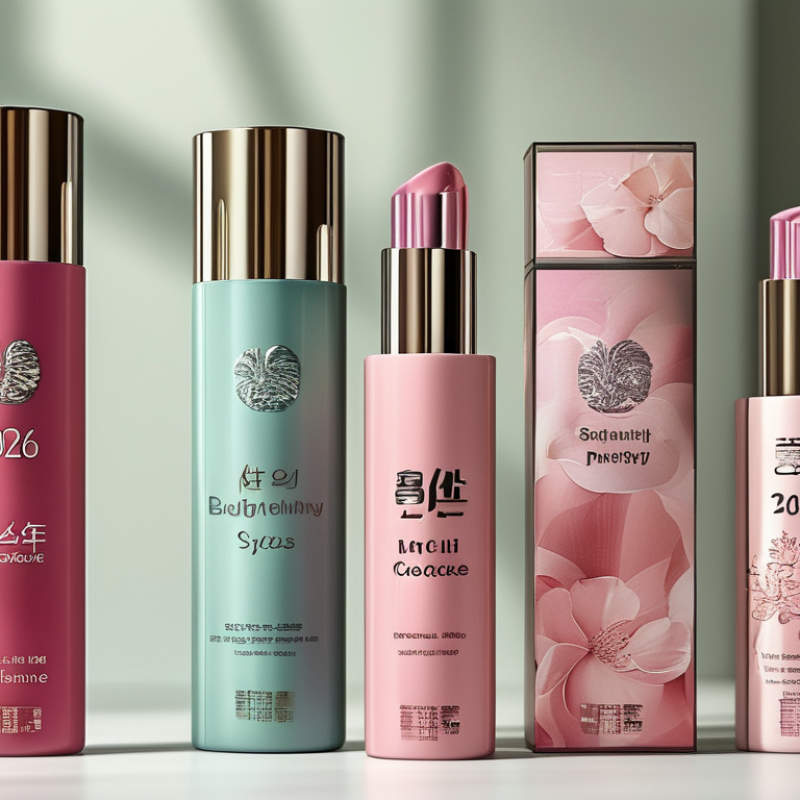
Understanding the Importance of Makeup Packaging in 2026
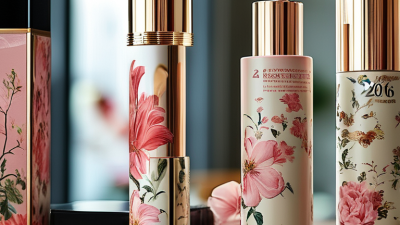
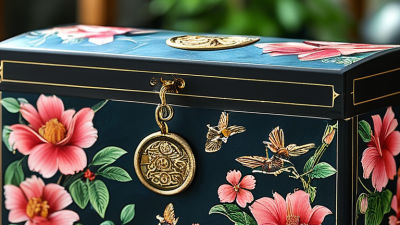
Makeup packaging plays a crucial role in the beauty industry in 2026. It is not just about aesthetics anymore; it reflects brand identity. A well-designed Makeup Box Packaging can attract potential buyers. It shows quality and attention to detail. High-quality materials can enhance the user experience. Consumers often judge products based on packaging before using them.
Sustainability is also a rising concern. Many brands now prioritize eco-friendly packaging. Using recyclable materials can appeal to environmentally conscious consumers. This shift often reflects a brand's values. Yet, some may struggle to balance sustainability with cost. It’s essential to consider what resonates with target audiences.
Moreover, functionality matters too. Packaging should be easy to use and travel-friendly. A cumbersome design can lead to frustration. Users appreciate thoughtful designs that enhance their makeup application process. The goal is to offer customers an efficient and enjoyable experience. While trends change, understanding your audience remains critical. In 2026, the right makeup box packaging will combine beauty, sustainability, and practicality.
Evaluating Consumer Preferences for Sustainable Packaging Solutions
In 2026, sustainable makeup packaging is a hot topic. Consumers are becoming more environmentally aware. They seek products that align with their values. Biodegradable materials, for example, appeal to eco-conscious buyers. They want packaging that reduces waste, rather than adding to it. Clear labeling about sustainability can help brands gain trust.
Many brands are experimenting with new designs. Refillable options and recyclable materials are often preferred. However, not all consumers are fully informed about these choices. Education is key. They need to understand the benefits of sustainable packaging. While many want to make responsible choices, confusion remains. Brands must bridge this knowledge gap with transparent communication.
Marketing strategies should highlight positive impact. Consumers appreciate brands that show authentic commitment to sustainability. Yet, some may remain skeptical. There’s a fine line between genuine efforts and greenwashing. Thus, packaging that tells a real story tends to resonate best. This requires ongoing reflection from brands about their practices. True sustainability is a continuous journey, not a destination.
Analyzing Current Trends in Makeup Packaging Materials
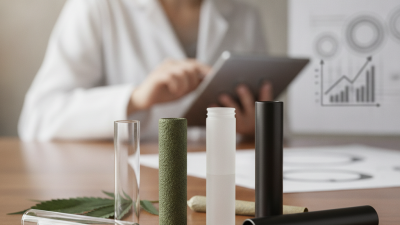
As makeup packaging evolves, materials play a crucial role in sustainability and functionality. Recyclable and biodegradable options are gaining popularity. This shift is driven by consumers who prioritize eco-friendly choices. Brands focus on innovation, creating packaging that reduces waste while maintaining aesthetic appeal. Reusable containers are becoming a trend, encouraging customers to repurchase rather than dispose.
Plastic remains dominant, but advancements are crucial. Many brands are exploring plant-based plastics, which offer a sustainable alternative. Glass is favored for premium products, providing a luxurious feel. However, glass is heavier and prone to breakage. The balance between aesthetics and practicality is essential.
Ethical sourcing of materials is also vital. Responsibly sourced materials enhance brand integrity. However, not all materials labeled as eco-friendly meet high standards. Transparency in sourcing and production is increasingly demanded by consumers. This reflects a collective desire for accountability. Brands must adapt continuously, reflecting changes in consumer preferences and ethical expectations.
The Role of Aesthetic Appeal in Makeup Packaging Design
In 2026, aesthetic appeal in makeup packaging design will play a crucial role. As consumers become more discerning, brands must focus on visual presentation. A well-designed Makeup Packaging Box can elevate a product's perceived value. Colors, textures, and shapes must complement the product inside. Minimalistic designs are trending, but unique elements can capture attention.
It’s essential to create a balance between beauty and functionality. Packaging should protect the product while also being visually appealing. Clear labeling is vital. If a customer struggles to find information, it can lead to frustration. Brands should avoid overly complicated designs that detract from the product identity.
Here are some tips for effective makeup packaging design:
- Choose colors that resonate with your target audience.
- Consider sustainable materials. Consumers appreciate eco-friendly options.
- Test different shapes and sizes with focus groups. Feedback is invaluable.
Reflecting on the design process can lead to better outcomes. Think about what worked and what didn’t. Aesthetic appeal is more than surface beauty; it must enhance the overall experience for the consumer.
Cost vs. Quality: Budgeting for Effective Packaging Choices
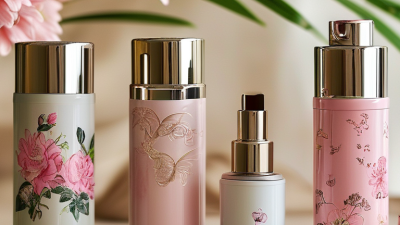
When selecting the best makeup packaging in 2026, budgeting becomes crucial. It’s tempting to choose low-cost options, but this might compromise quality. Your packaging should reflect your brand's identity and communicate professionalism. A well-designed Makeup Packaging Set attracts customers and reinforces trust.
Quality often comes with a higher price tag. However, it doesn’t mean you need to break the bank. Researching suppliers can help find the balance. High-quality materials can boost your product's shelf life, while cheap materials can lead to leaks or damage. Consider how long your packaging lasts in retail environments.
Investing wisely in your Makeup Packaging Set can yield long-term benefits. However, relying solely on aesthetics might not serve your brand well. Simplicity in design can sometimes yield better results. Evaluate your packaging decisions regularly. Seek feedback from clients and adjust your strategy. Tailoring your approach will ensure that both quality and cost align with your brand's growing needs.
Regulatory Compliance: Ensuring Safety Standards in Packaging
When selecting makeup packaging in 2026, regulatory compliance is paramount. Packaging must meet specific safety standards. The cosmetic industry faces strict regulations from organizations such as the FDA and EU. Reports indicate that about 30% of products fail initial compliance tests due to labeling or material issues.
Current trends emphasize sustainable packaging. However, sustainability should not compromise safety. Materials like glass and certain plastics are preferred to ensure product integrity. A recent study found that nearly 70% of consumers consider safety as a key factor when purchasing cosmetics. This highlights the market demand for compliant packaging solutions.
Continuous inspection is a necessary step in product development. It's vital to engage with laboratories for testing before mass production. Many manufacturers overlook this stage, leading to recalls and diminished brand trust. Regular audits and documentation can help mitigate risks and improve compliance rates. Ensuring safety standards in packaging is not just a legal obligation; it’s also a commitment to consumer health and brand reputation.
Future Innovations: Emerging Technologies in Makeup Packaging Solutions
As we look toward 2026, the makeup packaging landscape is evolving rapidly. Emerging technologies are reshaping how products are designed and delivered. Eco-friendly materials are gaining traction. Brands are innovating with sustainable choices that appeal to environmentally conscious consumers. Imagine packaging that decomposes naturally, reducing waste significantly.
Advancements in smart technology are also pivotal. Imagine a product that interacts with the user, offering personalized experiences. Smart packaging could include sensors that indicate product freshness or even remind users of expiration dates. This level of interaction could enhance customer engagement, though it also raises questions about privacy and data security.
Fancy Makeup Packaging is not just about aesthetics; it reflects the brand's commitment to innovation. Consumers are increasingly drawn to designs that are functional and visually appealing. However, producing such intricate designs poses challenges. Balancing creativity with practicality is crucial. Innovative solutions must prove their reliability before achieving widespread adoption. The beauty industry must constantly evaluate its choices to ensure they align with consumer values and future trends.
FAQS
: Budgeting helps balance cost and quality, essential for effective packaging choices.
Low-cost options may compromise quality and damage brand image.
Researching suppliers can help identify affordable, high-quality materials.
Quality packaging improves product shelf life and boosts customer trust.
No, reliability and simplicity are equally important for effective design.
Eco-friendly materials and smart technology are emerging trends in packaging solutions.
Smart packaging can provide personalized reminders and interact with users, improving user experience.
Balancing creativity with practicality and ensuring reliability are significant challenges.
Regularly evaluate packaging decisions and seek customer feedback for alignment with trends.
Yes, it appeals to environmentally conscious consumers and reduces waste significantly.
Conclusion
In 2026, makeup packaging is more critical than ever, serving not only as a protective barrier for cosmetic products but also reflecting a brand's commitment to sustainability. Consumers increasingly prefer sustainable packaging solutions, prompting companies to rethink material choices and incorporate eco-friendly options. Additionally, current trends in packaging materials emphasize the importance of both functionality and environmental impact.
Aesthetic appeal remains a vital factor in makeup packaging design, as it plays a significant role in attracting consumers. However, brands must balance cost with quality to ensure effective packaging that meets safety standards and regulatory compliance. As the industry evolves, emerging technologies promise innovative solutions that enhance the user experience while aligning with market demands for sustainability and design excellence in makeup packaging.