
Leave Your Message
Engineered to deliver high luxury appeal, chemical inertness, and complete exemption from Extended Producer Responsibility (EPR) plastic packaging taxes.

Analyzing the macro-economic forces, legislative mandates, and supply chain disruptions driving color cosmetics from synthetic polymers toward engineered glass.
The global color cosmetics and skincare sectors are experiencing an unprecedented regulatory upheaval. For decades, cosmetic packaging heavily relied on multi-layer thermoplastics, including polypropylene (PP), polyethylene terephthalate (PET), acrylonitrile butadiene styrene (ABS), and polymethyl methacrylate (PMMA/acrylic), to achieve mirror-like finishes, tactile snaps, and lightweight convenience. However, the unchecked lifecycle impact of post-consumer plastic waste has catalyzed a coordinated legislative countermeasure worldwide: the widespread implementation of statutory Plastic Packaging Taxes (PPT) and expanded Extended Producer Responsibility (EPR) fee schedules.
Imposing a levy exceeding £217 per metric tonne on finished packaging components containing less than 30% certified post-consumer recycled (PCR) plastic, hitting complex cosmetic pumps, compacts, and tubes directly.
The EU Packaging and Packaging Waste Regulation mandates strict recyclability design criteria, while nations like Spain and Italy enact direct taxes on virgin, non-reusable plastic packaging reaching up to €0.45 per kilogram.
California SB 54, along with enacted statutes in Oregon, Colorado, and Washington, penalize brands for unrecyclable consumer waste while enforcing severe source-reduction benchmarks across beauty containers.
In high-end makeup formulations—such as liquid foundations, tinted primers, long-wear concealers, cream blushes, and fixing mists—packaging plays a dual role: formula preservation and brand expression. When beauty brands utilize virgin polymers to preserve aesthetic transparency or prevent chemical solvent interaction, their bottom lines absorb heavy cumulative tax surcharges across every distribution hub. Beyond direct monetary fines, administrative compliance audits, mass-balance certification costs, and consumer backlash against non-biodegradable trash have forced procurement directors to fundamentally evaluate their container materials.
This is where Makeup Glass Containers emerge not merely as an aesthetic elevation, but as an indispensable financial mitigation instrument. Glass constitutes an intrinsically non-taxable substrate under virtually all regional plastic packaging levies. By substituting primary plastic components with engineered glass, beauty conglomerates instantly purge significant percentages of their plastic volume from official tax returns, turning potential fiscal liability into a sustainable commercial advantage.
How Nextruct bridges high-performance fiber structures with specialized glass containers to create featherweight, break-resistant, carbon-efficient makeup packaging.
Historically, transitioning from plastic to glass presented three industrial hurdles for cosmetic manufacturers: shipping weight, shattering fragility on automated packing lines, and secondary closure plastic components. If a cosmetic brand adopts a glass container but still utilizes a massive ABS cap, POM internal spring pump, and PVC decorative over-sleeve, the plastic tax exposure remains stubbornly high while freight-related scope 3 carbon emissions multiply.
Modern makeup glass manufacturing relies on state-of-the-art Narrow Neck Press and Blow (NNPB) technologies and specialized chemical tempering. By optimizing the wall thickness profile, Nextruct-partnered glass molding achieves up to 35% reduction in tare weight without compromising hydrolytic class resistance or drop-impact survivability. Thinner, uniform walls accelerate cooling cycles during glass forming, reduce furnace energy consumption, and significantly decrease transportation fuel burn.
Where standard glass bottles require thick secondary acrylic walls or poly-cushions to convey prestige and absorb drops, structural integration with molded fiber transforms the paradigm. Leveraging 21 proprietary structural paper patents, Nextruct develops form-fitting, moisture-resistant molded pulp jackets and outer fiber casings that encapsulate precision glass inner vessels. The exterior fiber provides high tactile grip, drop shock absorption, and limitless canvas for water-based soy ink embossing, while the interior glass maintains direct chemical barrier isolation against alcohol, essential oils, and volatile silicones found in foundations.
A major flaw in historical packaging was the multi-material pump: polypropylene housing, metal spring, polyethylene dip tube, and elastomer gaskets. Because these complex mechanisms are nearly impossible to separate during mechanical recycling, regulatory bodies categorize the entire pump assembly as unrecyclable plastic, subjected to peak plastic tax rates. Innovative sustainable engineering replaces these complex plastics with cork, aluminum, bamboo collars, and fully recyclable glass dropper pipettes, creating a closed-loop system that effortlessly meets stringent PPWR Design for Recycling (DfR) requirements.
Color cosmetics are notoriously sensitive to volatile organic compounds (VOCs), micro-oxidation, and photo-degradation. Synthetic plastics inherently allow microscopic oxygen transmission rates (OTR) and moisture vapor permeation (WVTR), which degrades volatile foundation formulations, oxidizes carotenoid-based cosmetic pigments, and precipitates active anti-aging complexes (such as Vitamin C and Retinol).
Glass offers absolute, impermeable containment. It preserves formula stability across multi-year shelf lives without requiring synthetic preservatives or inner barrier coatings (like fluorinated coatings) that face escalating scrutiny and outright bans under global PFAS (per- and polyfluoroalkyl substances) legislation.

Concrete packaging redesign workflows illustrating how glass containers optimize cost, brand equity, and tax mitigation across major cosmetic categories.
Replacing multi-layer co-extruded polyethylene (PE) squeeze tubes and metallized plastic caps with flint glass pump bottles featuring removable aluminum collar assemblies.
Transitioning from thick-walled polystyrene (PS) transparent vials to micro-molded glass tubes capped with biodegradable paperboard over-shells, drastically minimizing taxable tare weight.
Eradicating brittle SAN and acrylic square flacons. Recycled glass lip oil flacons provide authentic thermal inertia, reassuring weight, and pristine optical transparency that showcases rich pigments.
Displacing multi-part plastic compacts containing POM hinges and magnets with shallow wide-mouth glass pots sealed by threaded cork or stamped aluminum disc caps.
Transitioning high-volume 100ml PET bottles to lightweight amber or frosted glass spray flacons equipped with screw-off, separable low-profile fine mist atomizers.
Permanent glass outer compact vessels that accommodate replaceable, snap-in paper pulp or wafer-thin aluminum pan cartridges, radically reducing material footprint per customer replenishment cycle.
When procurement managers assess unit economics, virgin plastic often exhibits a deceptive initial bill-of-materials (BOM) advantage: an acrylic foundation flacon might cost $0.65 to mold, whereas an equivalent high-flint glass container might price at $0.78. However, factoring in direct plastic taxes of £217/tonne in the UK, €450/tonne in Spain, EPR eco-modulation penalties in France (upwards of 20% surcharges on unrecyclable opaque plastics), and brand equity deductions from sustainability-conscious Gen-Z consumers, the financial calculus inverts.
Furthermore, because glass maintains high kerbside sorting efficiencies (via optical and eddy-current separators in municipal sorting facilities), brands utilizing clear flint and amber glass qualify for prime eco-modulation bonuses in progressive European EPR schemes, yielding compounding tax credits that render glass packaging overall more economical over multi-year commercial runs.


Rigorous international certifications and structural excellence ensuring smooth industrial transitions to sustainable makeup packaging systems.
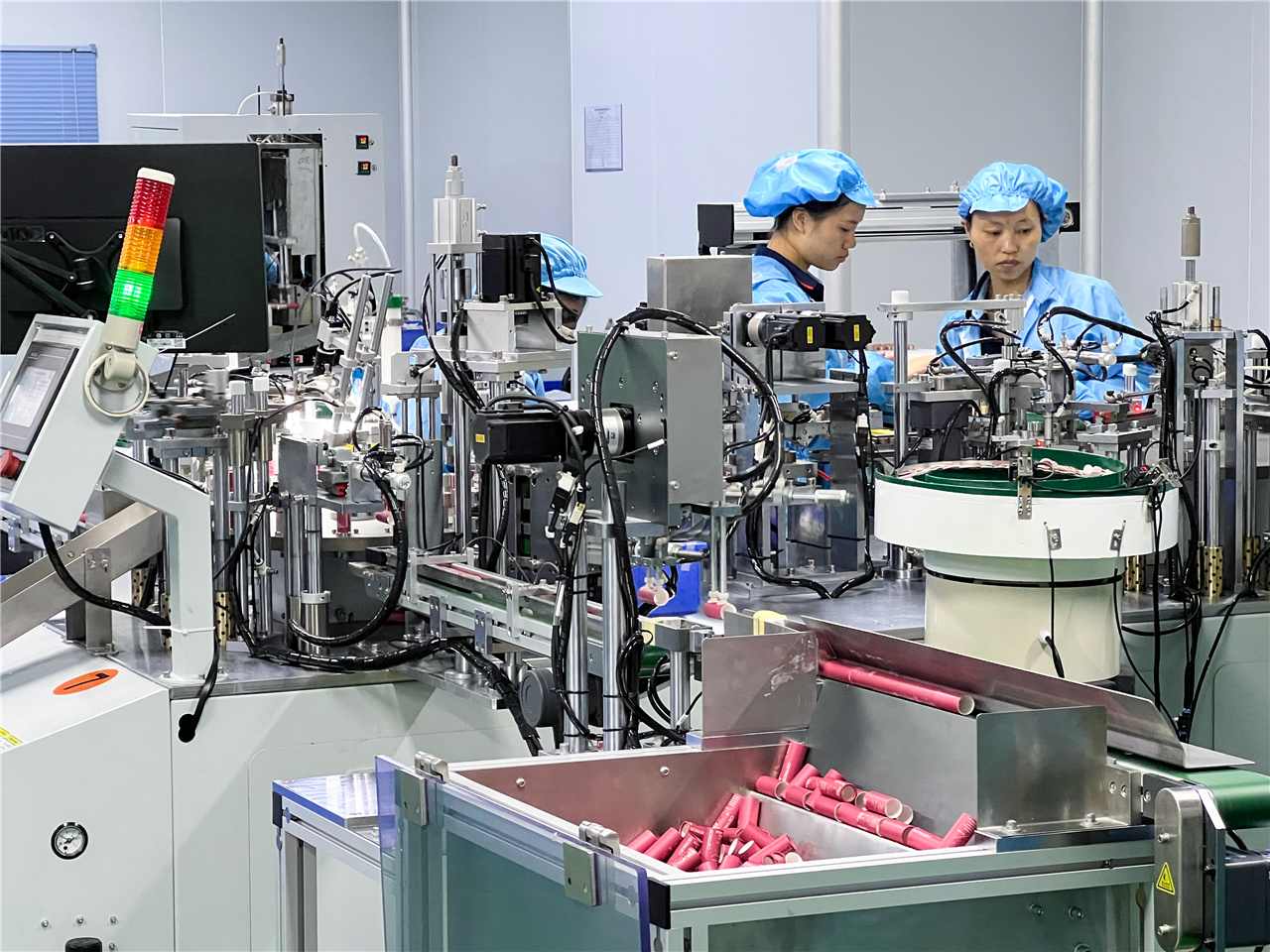
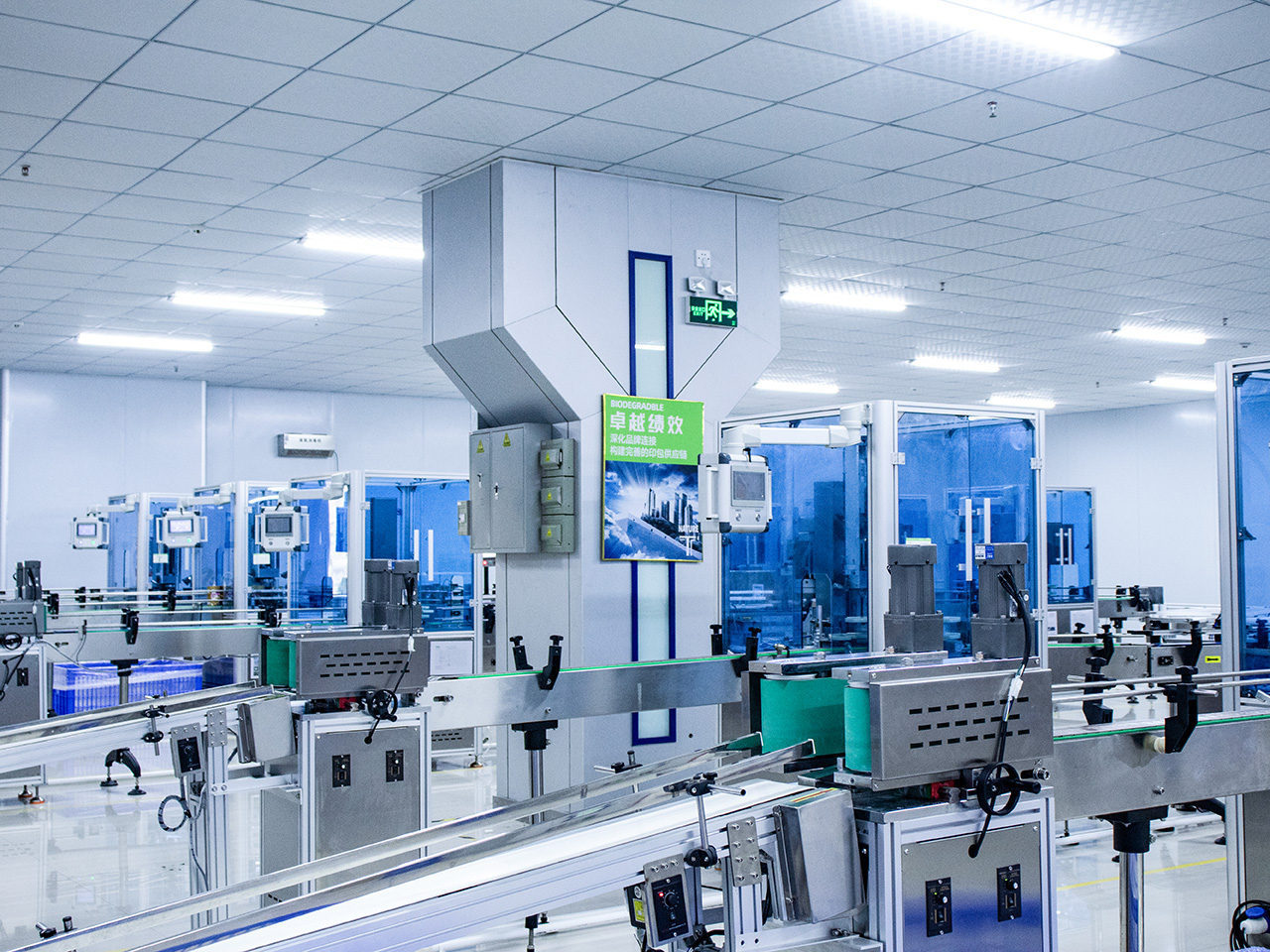
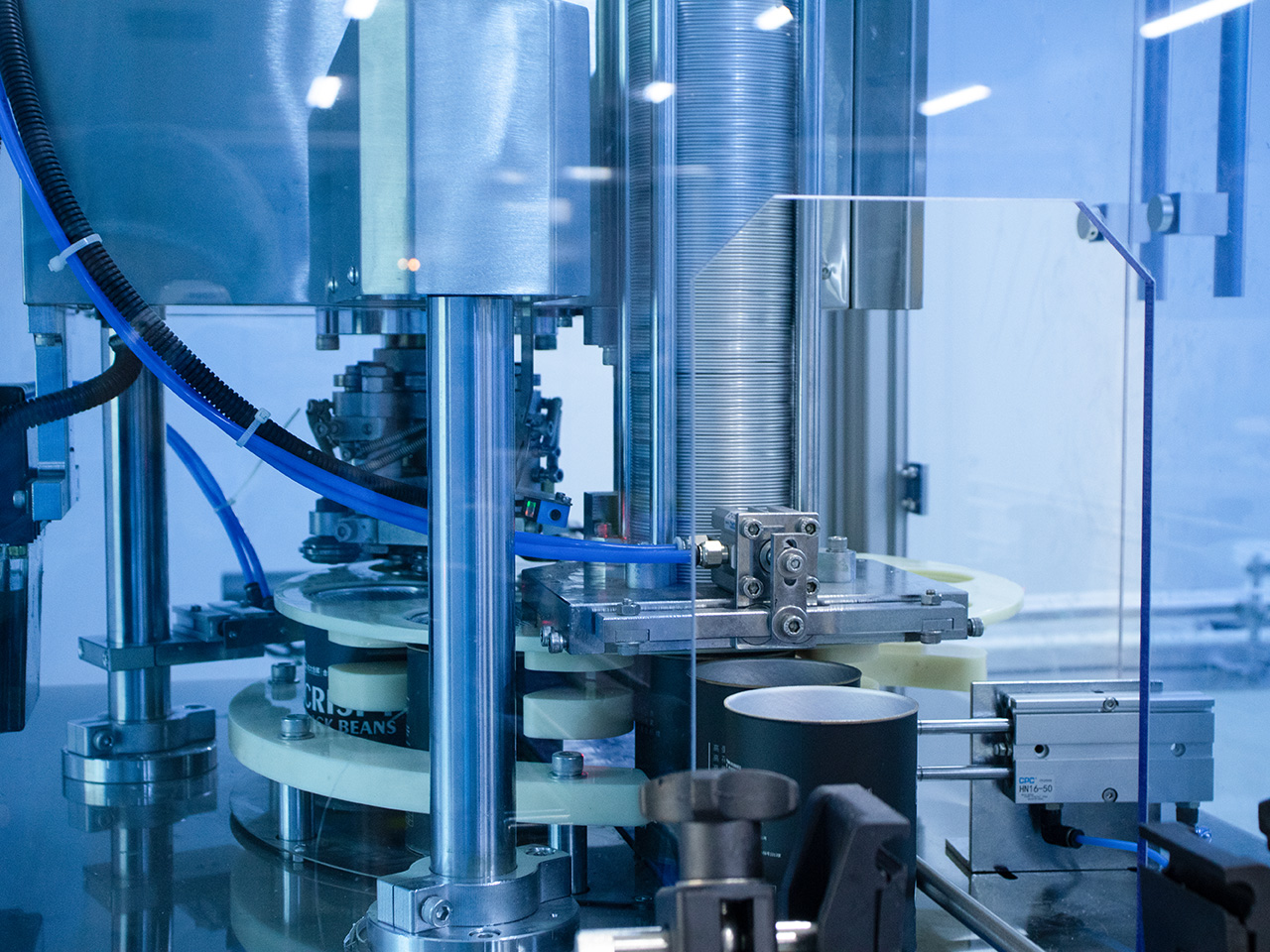
Key technological and market shifts shaping makeup glass containers under tightened environmental scrutiny.
While glass packaging eliminates direct plastic taxes, forward-thinking beauty brands must address Scope 1 and Scope 2 manufacturing emissions. Glass furnaces historically relied on natural gas combustion. Today, premier glass manufacturing facilities are transitioning to hybrid electric oxy-fuel melters coupled with renewable energy contracts. Concurrently, increasing the ratio of post-consumer cullet (recycled broken glass) from 20% to upwards of 80% lowers the required furnace melt temperature by hundreds of degrees Celsius, slashing manufacturing carbon output by up to 40%.
A hidden vulnerability that often subjects cosmetic glass bottles to municipal recycling rejection is permanent synthetic plastic pressure-sensitive labels (PSL). When paper mills and glass recycling facilities encounter unyielding acrylic adhesives or polypropylene labels, batch sorting yield drops. Advanced sustainable makeup glass containers incorporate alkali-soluble wash-off adhesives and direct ceramic silk-screen printing using lead-free mineral enamels. This ensures that when the empty flacon enters the industrial cullet washer, it is processed seamlessly into pure glass feedstock with zero polymer residue.
Under the emergent European Digital Product Passport (DPP) framework, cosmetic containers will soon require serialized traceability that documents material sourcing, recycled content quotas, and recycling instructions. High-precision laser etching directly onto glass container bases or embedding miniature RFID tags within secondary fiber sleeves allows beauty consumers to scan their makeup containers via smartphone, unlocking refill station discounts, verification of zero-plastic footprint, and automated brand loyalty perks.
Explore our 8 specialized glass container systems designed to safeguard cosmetic integrity, deliver unforgettable unboxing luxury, and permanently bypass virgin plastic taxes.
Key regulatory and technical inquiries answered for international cosmetics sourcing and brand directors.
Yes. The UK Plastic Packaging Tax exclusively applies to finished packaging components that contain predominantly plastic by weight. When the primary container is constructed of sodalime glass, it falls completely outside the scope of the PPT. If the container utilizes secondary closures (such as pumps or caps), only the individual separable plastic closure would be subject to calculation, reducing the brand's taxable mass by 80% to 95% compared to an all-plastic bottle.
Under revised EU EPR fee guidelines (eco-modulation), packaging materials are taxed based on their recyclability tier and kerbside collection efficiency. Unrecyclable multi-material plastics (like metallized acrylic jars) receive punitive penalty surcharges. Glass benefits from established, high-yield municipal cullet collection systems across every European member state, placing it into the lowest-cost baseline EPR tier and qualifying brands for substantial annual packaging rebates.
Nextruct resolves this trade-off through patented hybrid engineering. By pairing thin-wall, precision-blown glass vessels with custom molded high-performance paper-fiber outers, total container weight is minimized while impact absorption is dramatically increased. The external fiber structures protect the glass during consolidated transit, preventing breakage on automated filling lines while maintaining a prestigious, organic luxury feel for the consumer.
Absolutely. Our glass container architectures are manufactured with engineered neck finishes (such as standard FEA 15, FEA 18, and GPI 20/410, 24/410) that integrate smoothly with both vacuum airless pouches and specialized wide-bore glass pumps. Furthermore, the interior surface of our cosmetic glass is treated for ultra-smooth surface energy, minimizing residual formula clings and ensuring that consumers can evacuate the makeup product completely without formulation waste.