Leave Your Message
In the contemporary cosmetics and personal care landscape, environmental compliance is no longer an optional brand narrative; it has rapidly transformed into a critical fiscal imperative. Governments across the European Union, the United Kingdom, and various states across the United States have established aggressive taxation frameworks targeting virgin, non-recycled plastic packaging. The UK Plastic Packaging Tax (PPT), enacted under the Finance Act, imposes a direct tax penalty exceeding £217 per metric tonne on finished plastic packaging components containing less than 30% recycled plastic content. Simultaneously, the European Union's plastic levy assesses a non-negotiable charge of €800 per tonne of non-recycled plastic packaging waste directly to member states, which is subsequently recouped through domestic corporate tax levies and stringent Extended Producer Responsibility (EPR) fee schedules.
For high-end color cosmetics, and specifically loose powder formulas (such as setting powders, mineral foundations, baking powders, and translucent finishing veils), this regulatory overhaul represents an existential cost challenge. Conventional loose powder jars are heavy, multi-component constructs traditionally manufactured using virgin polyols, polymethyl methacrylate (PMMA/acrylic), acrylonitrile butadiene styrene (ABS), and styrene acrylonitrile (SAN). These polymers are selected for their glass-like transparency, robust wall thickness, and drop resistance. However, their physical mass—often ranging from 45 grams to over 90 grams per empty unit—directly inflates tax calculations under weight-based EPR and virgin plastic tariff schemes.
Transitioning toward engineered paper-based containers, molded plant fibers, and hybrid cellulose-glass architectures provides cosmetics manufacturers with an immediate, mathematically quantifiable route to minimizing plastic tax liabilities. By replacing polymer-heavy jars with FSC-certified virgin fiber canisters and post-consumer recycled (PCR) paperboard, international cosmetics companies can structurally decrease taxable plastic fractions by 75% to 98% per SKU. This pivot shields multinational supply chains from mounting fiscal liabilities while reinforcing carbon offset quotas in alignment with the EU Packaging and Packaging Waste Regulation (PPWR) 2030 circularity benchmarks.
Dramatically lower or eliminate virgin polymer weight ratios, effectively bypassing UK PPT, EU plastic levies, and EPR penalties across international jurisdictions.
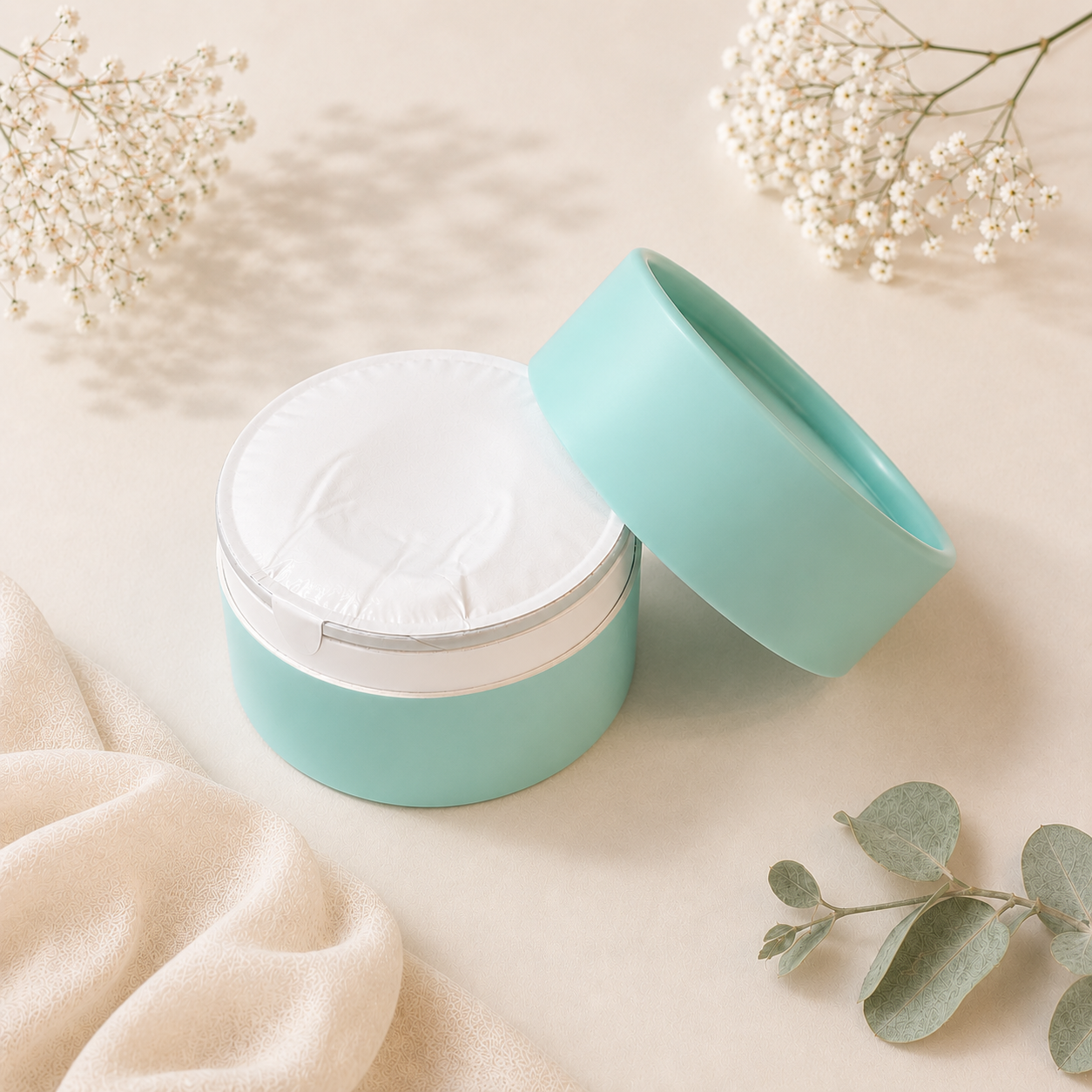
Patented multi-ply paperboard winding and high-density fiber molding provide structural rigidity equivalent to thick-walled acrylic cosmetic jars.
Bio-polymer functional coatings shield hydrophilic loose powders against ambient moisture vapor, humidity migration, and fine particle dusting.
The engineering requirements for loose powder cosmetics are vastly more stringent than those for pressed compacts or skincare emulsions. Loose powder formulations are composed of ultra-micronized pigments, treated talc, silica, mica, sericite, and specialized starch polymers (such as zea mays corn starch or rice flour). The particle sizes routinely measure between 2 and 15 microns. At this microscopic scale, powders behave like fluid systems: they fluidize under low mechanical friction, penetrate standard mechanical tolerances, and absorb atmospheric moisture, resulting in agglomeration, microbial degradation, and cake collapse.
Historically, packaging engineers relied on tight-tolerance injection-molded plastic screw threads, elastomeric silicon seals, and rigid plastic sifters to contain fine powder particles and preserve moisture vapor transmission rates (MVTR). Engineering a sustainable, paper-dominated loose powder jar requires solving three distinct mechanical and physical challenges:
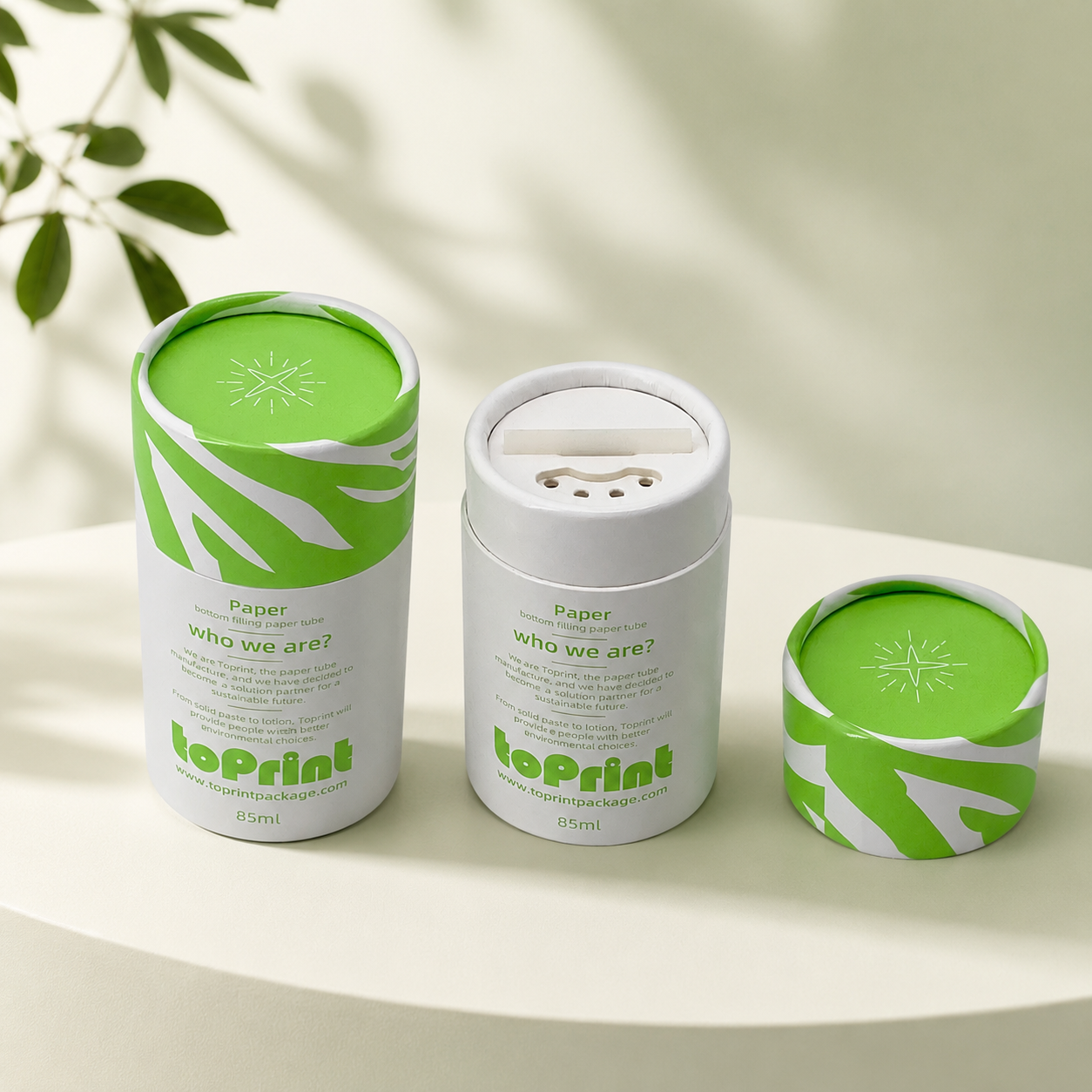
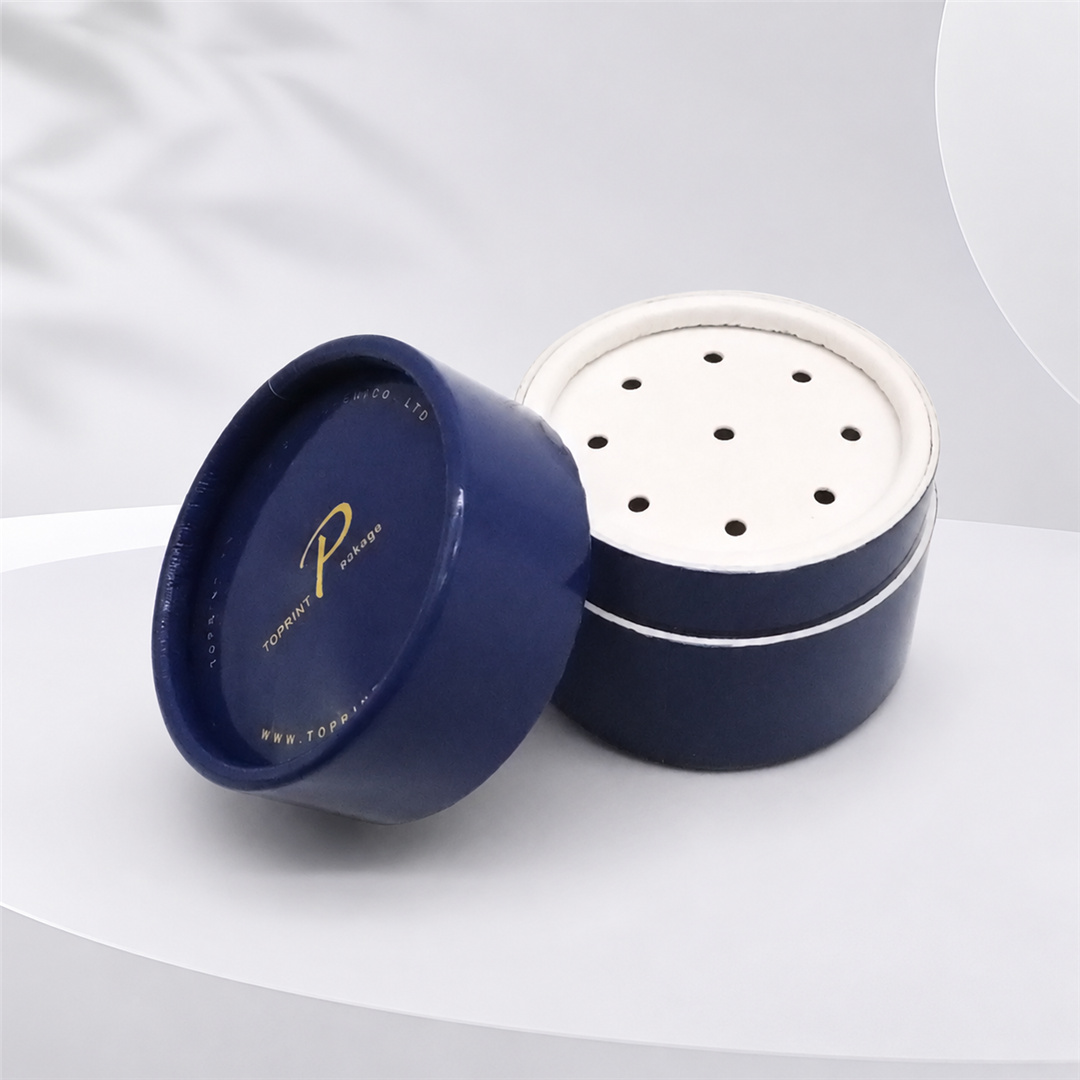
The dispensing sifter represents the functional core of any loose powder system. Next-generation circular jars utilize flexible, biodegradable parchment screens, perforated molded wood-pulp sifters, or thin food-grade polyhydroxyalkanoate (PHA) / PCR elastomeric mesh membranes. The structural interface between the paper wall and the sifter insert is engineered with a proprietary friction-fit internal flange. This precision engineered paper shoulder eliminates the need for petrochemical glue hot-melts while ensuring that ultra-fine micronized powders do not migrate beneath the sifter ring into the screw mechanism or jar exterior during overseas air freight or retail transit.
Cellulose fibers are naturally hydrophilic, easily absorbing moisture vapor from ambient environments. When relative humidity (RH) exceeds 60%, unshielded paper packaging softens, loses burst strength, and permits moisture migration into hygroscopic cosmetic powders. To solve this, sustainable powder jars incorporate water-based dispersion barriers (WBBC) and bio-wax internal coatings applied via microscopic emulsion roll-coating. These barriers impart high Cobb sizing values (Cobb 60 < 20 g/m²) and water vapor transmission rates comparable to conventional polypropylene containers (< 3.0 g/m²/day at 38°C, 90% RH), completely eliminating clumping without contaminating the post-consumer paper recycling stream.
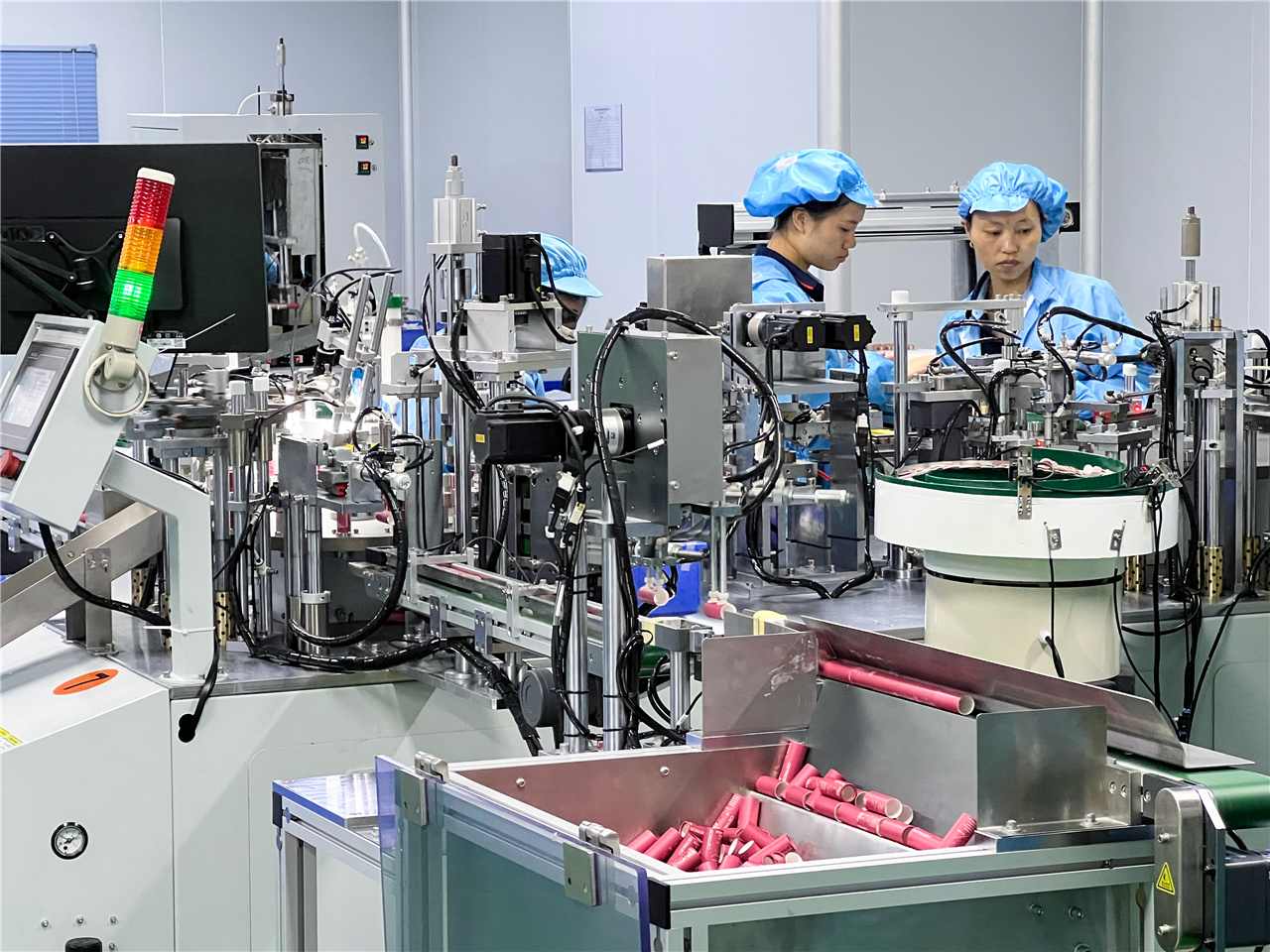
Cosmetic powders are frequently dropped onto tiled bathroom floors or compressed in handbags. Traditional paperboard tubes often exhibit corner crimping and thread deformation. Nextruct's patented structural geometry incorporates spiral-wound virgin kraft cores bonded with water-based aliphatic polyurethane adhesives under high hydraulic pressure. This process produces compressive radial crushing strengths exceeding 350 N, guaranteeing that the jar withstands vertical stacking pressures during automated secondary packing and endures drops from 1.2 meters without thread displacement or lid popping.
To demonstrate the quantifiable impact of switching to sustainable paper architectures, the following engineering matrix compares standard multi-component PMMA loose powder jars against sustainable circular alternatives under European and UK plastic tariff models:
| Packaging Metric | Traditional Virgin PMMA/SAN Jar | Standard 30% PCR Plastic Jar | Nextruct High-Performance Paper Jar |
|---|---|---|---|
| Average Tare Weight (Empty 20g Jar) | 78.5 grams | 68.0 grams | 24.2 grams |
| Plastic Content Percentage | 100% Virgin Polymer | 70% Virgin / 30% PCR | < 5% (Micro-liner or mesh) |
| UK Plastic Tax Vulnerability | Subject to full tax (£217.85/tonne) | Exempt from UK PPT (Met 30% PCR) | Exempt (Non-plastic classification) |
| EU Plastic Waste Levy Liability | High (€800/tonne virgin plastic weight) | Medium (Taxed on unrecovered fraction) | Zero (€0 per unit levy footprint) |
| Circular Recycling Category | Landfill / Incineration (Mixed Code 7) | Partial Mechanical Recycling | Kerbside Recyclable Paper Stream (PAP 21) |
| Cradle-to-Gate Carbon Footprint (kg CO2e) | 0.485 kg CO2e / unit | 0.312 kg CO2e / unit | 0.089 kg CO2e / unit (>80% reduction) |
The integration of sustainable loose powder packaging spans diverse cosmetic formulations and distribution channels. Examining real-world brand implementations clarifies the commercial and technical versatility of this material evolution:
Mineral makeup consumers prioritize clean formulations, unadulterated ingredients, and environmental stewardship. Packaging talc-free, zinc oxide, and titanium dioxide mineral foundations in non-recyclable virgin acrylic jars creates a profound cognitive dissonance. Biodegradable, custom-embossed paper jars finished with food-grade soy inks enhance the brand's natural positioning while eliminating petroleum-derived microplastics from the product ecosystem.
Luxury cosmetic brands historically avoided paper containers under the assumption that paperboard lacked the tactile weight, satisfying closure "click," and decorative luxury of lacquered plastic. Advanced engineering has upended this assumption. Nextruct's high-density fiber jars support soft-touch tactile coatings, deep blind debossing, metallic hot foil stamping without plastic film laminations, and weighted recycled bases, delivering the ultra-premium sensory experience demanded by prestige makeup houses.
For mobile consumers, powder dusting inside the jar cap is a major cause of consumer dissatisfaction. Innovative sustainable jars feature rotatable paper-based shutter discs or bio-based cellulose peel seals. When closed, the shutter seals the sifter apertures, preventing loose powder from shifting into the upper cavity during baggage turbulence and eliminating consumer mess upon opening.
Leading color cosmetic houses are deploying hybrid systems where the external vessel is composed of durable, infinitely recyclable luxury glass or aluminum, while the interior refill vessel holding the loose powder and sifter is an ultra-lightweight, 100% compostable fiber cup. Once the loose powder is consumed, the consumer simply replaces the inner fiber jar, achieving an industry-leading circular replenishment cycle that entirely eliminates recurring plastic use.

Scaling sustainable packaging across international supply chains requires rigorous adherence to multi-jurisdictional compliance protocols. Switching container materials from plastic to paper alters supply chain weight dynamics, freight density, and pallet stability. High-density paper packaging reduces gross shipment weights by up to 55% compared to thick-walled PMMA jars, leading to direct fuel savings, reduced maritime freight tariffs, and lowered Scope 3 greenhouse gas emissions.
Furthermore, life cycle assessments (LCA) conducted in accordance with ISO 14040/14044 demonstrate that paper-based cosmetics vessels demand significantly lower energy inputs during processing compared to the cracking, polymerization, and injection molding required for ABS or PMMA. The integration of closed-loop water recovery systems in fiber molding minimizes eutrophication risks, ensuring that third-party sustainability audits (such as EcoVadis, Sedex, and FSC chain-of-custody tracking) withstand regulatory scrutiny from environmental protection bodies worldwide.