
Leave Your Message
Engineered to satisfy stringent retail guidelines (Clean at Sephora, Ulta Conscious Beauty) while maintaining accessible minimum order quantities and bespoke exterior aesthetics for high-growth makeup startups.
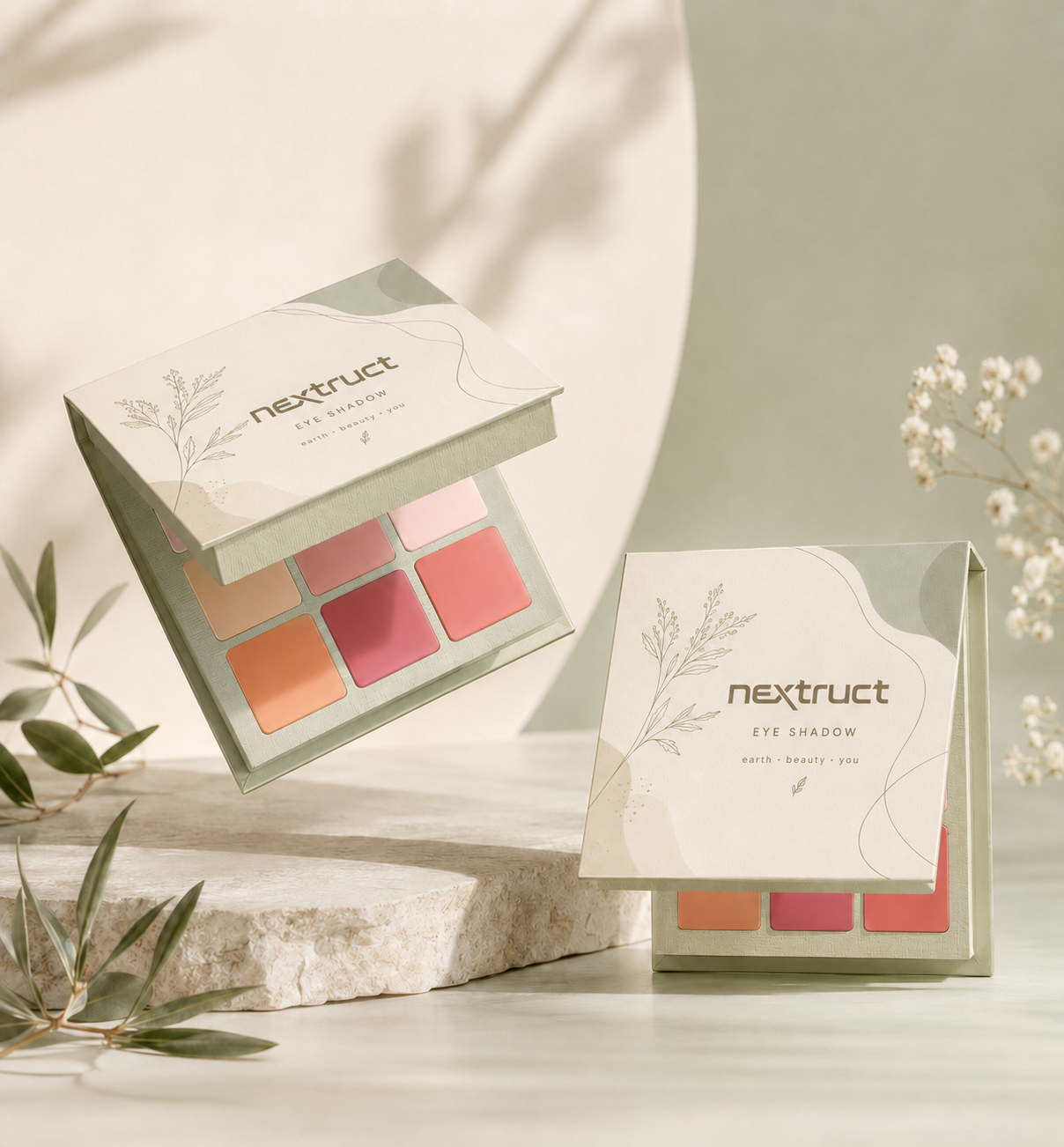
Patented origami-inspired structural paperboard engineered with multi-angle kickstand folding, eliminating plastic hinges and heavy magnets for pure curbside fiber recycling.
View Architecture Specs →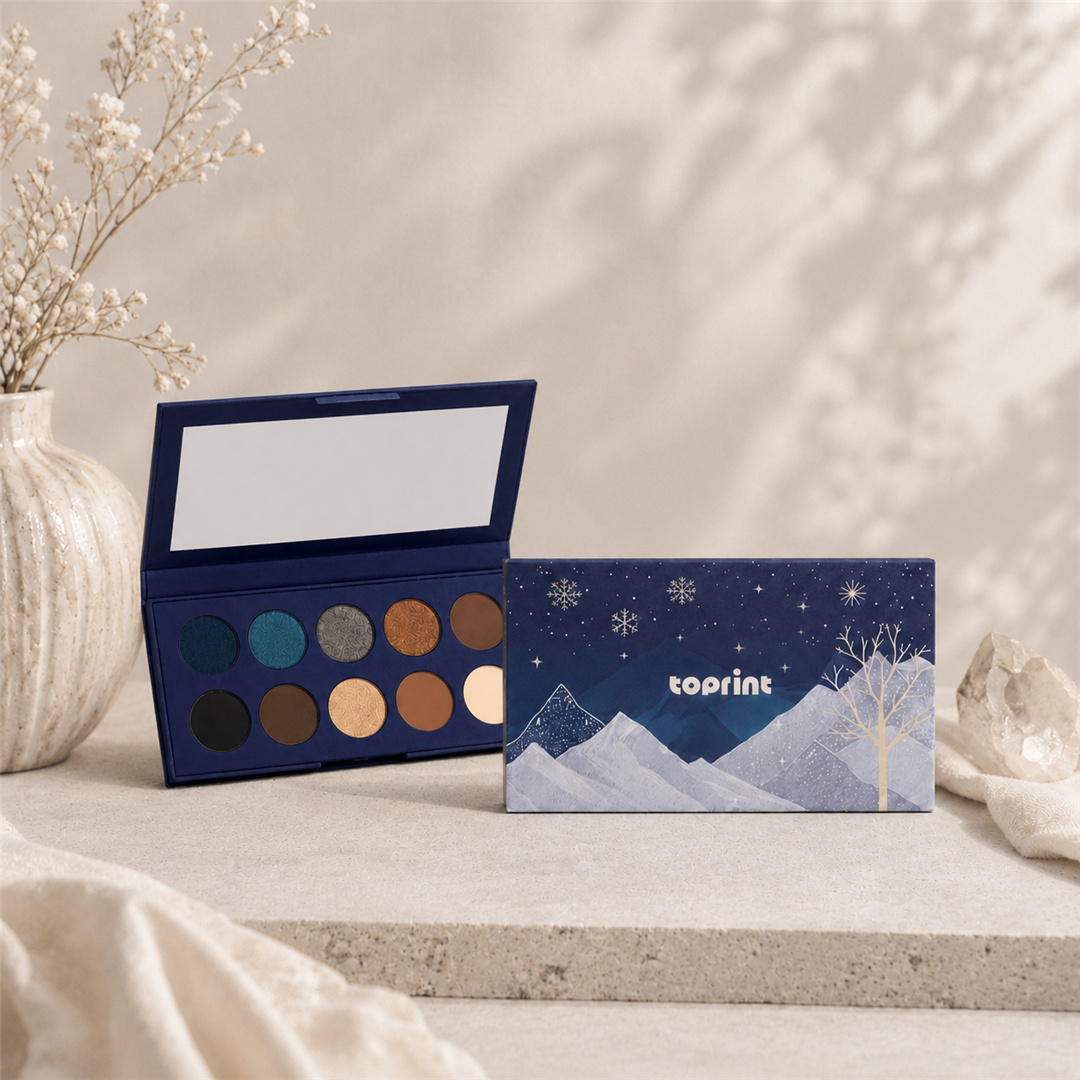
Seamless single-sheet folding mechanics designed with greaseproof mineral barrier paper, drop-tested to withstand transit shock without powder cracking.
View Architecture Specs →
Modular slide-and-lock pan cavities allowing indie brands to sell custom shade refills, slashing customer acquisition cost (CAC) and driving lifecycle retention.
Explore Refill Geometry →
Friction-fit precision lock that bypasses rare-earth neodymium magnets, ensuring clean post-consumer pulp streams while preserving tactile click sensation.
Explore Refill Geometry →Why modern direct-to-consumer (D2C) and omnichannel cosmetics startups must rethink traditional secondary and primary compact packaging to survive margin compression and environmental regulations.
The global color cosmetics sector has historically relied on acrylonitrile butadiene styrene (ABS), polymethyl methacrylate (PMMA), and polystyrene (SAN) compacts. While rigid virgin plastics offer standardized structural rigidity, they represent an environmental dead end. Over 70% of decorative cosmetics compacts are constructed using mixed materials—combining electroplated ABS casings, non-removable glass mirrors, zinc alloy hinges, and glued-in neodymium magnets. In commercial Municipal Solid Waste (MSW) sorting facilities, optical scanners and eddy current separators cannot isolate these glued composites, condemning millions of virgin plastic palettes directly to landfill incineration.
For an emerging makeup startup, this status quo poses a profound commercial threat. Modern beauty consumers (predominantly Gen Z and Millennials) view composite plastics as brand greenwashing. Retail titans such as Sephora, Ulta, Target, and Harrods now require strict compliance matrices including plastic reduction quotas, packaging weight optimization, and certified curbside sortability. Failing to launch with circular-by-design packaging can permanently bar an indie beauty brand from tier-one retail channels.
Traditional multi-cavity injection molds demand upfront capital investments of $15,000 to $50,000 per SKU, alongside punitive Minimum Order Quantities (MOQs) of 20,000+ units. Sustainable paper structural engineering eliminates tooling amortization, enabling rapid launch iterations.
Rigid virgin plastic palettes carry an average tare weight of 85–130 grams. Ultra-dense calibrated cellulose fiberboard achieves equivalent drop resistance at 45–60 grams, slashing air-freight and ocean logistic CO2 emissions by up to 48% across global distribution centers.
The EU Packaging and Packaging Waste Regulation (PPWR), UK Plastic Packaging Tax, and California SB 54 impose severe penalties on non-recyclable multi-material compacts. Monomaterial cellulose pallets provide immediate regulatory immunity.
A frequent hesitation among cosmetic founders centers on perceived durability: Can a paperboard eyeshadow palette protect pressed pigments against impact shocks, vibration-induced delamination, and humidity degradation? The response lies in progressive structural engineering.
Nextruct bypasses lightweight chipboards in favor of high-caliper FSC-certified greyboards (ranging from 1000 GSM to 1600 GSM) bound with non-toxic, bio-based potato starch or water-borne emulsions. To guard against oil absorption from creamy pressed formulas, the palette surfaces are coated with food-grade aqueous dispersion coatings (barrier varnishes) instead of traditional polyethylene (PE) laminations. This barrier prevents cosmetic binder migration while permitting 100% repulpability in conventional paper mills without microplastic filtration issues.
| Evaluation Parameter | Standard Molded ABS Plastic | Generic Cheap Cardboard | Nextruct Engineered Paper Architecture |
|---|---|---|---|
| Curbside Recyclability | 0% (Multi-material landfill destined) | Partial (Fails if laminated with BOPP) | 100% Monomaterial Fiber Repulpable |
| Initial Tooling / Mold Fee | $12,000 – $40,000 per pan design | $500 – $1,200 cutting dies | $0 – Low CTP Digital Tooling Setup |
| Drop Test Integrity (ISTA-1A) | Hinges crack, lids shatter | Corners crush, pans pop out | Impact-absorbing kinetic folds; pans secure |
| Closure Mechanism | Rare-earth neodymium magnets | Glued magnetic discs (Unrecyclable) | Patented mechanical snap locks / Foldable Lid |
| Surface Customization | UV spray painting & silk screening | Standard CMYK print | Soy inks, tactile embossing, debossed wells |



A targeted structural packaging strategy differs fundamentally between bootstrap pre-seed launches, aggressive Series-A omnichannel scale, and multi-market enterprise distribution.
Challenge: Constrained initial budget, short runway, rapid shade testing, high risk of inventory write-down.
Tactical Solution: Deploy our standard-tooling Custom Paper Eyeshadow Palette with Foldable Lid. By utilizing existing cutting dies, founders circumvent thousands in engineering tooling costs. The foldable lid acts as a built-in unboxing easel for TikTok/Instagram creators, elevating user-generated content (UGC) without expensive secondary packaging.
Challenge: Meeting retailer audit standards (Sephora, Mecca, Boots), shelf-stacking footprint limits, loss-prevention anti-theft tags.
Tactical Solution: Transition to our Eco Paper Eyeshadow Palette with Flip Cover. Engineered with an ultra-thin 10.5mm profile, this design maximizes linear shelf display density. The monomaterial fiber construction seamlessly accommodates embedded RFID/EAS antitheft stickers directly between paper layers during the automated die-cut cycle.
Challenge: Staggering plastic tax liabilities across EU/UK, carbon tariff documentation, customer churn.
Tactical Solution: Implement our patented modular magnetic-free pan ejection system. Consumers preserve the high-durability outer paper shell while ordering refillable tin or aluminum pressed powder pans shipped in lightweight compostable paper sleeves. This transforms a one-time product purchase into a high-margin recurring refill model.
In standard contract packaging, paper palettes often fail when hot-melt glues crystallize during ocean container thermal cycles (temperatures fluctuating from 5°C in maritime conditions to 55°C in tropical ports). This thermal shock causes pan adhesive breakdown and mirror detachment.
Nextruct resolves this vulnerability through 21 structural patents. By leveraging precision interlocked mortise-and-tenon folding tabs, mathematical scoring tolerances (accurate within ±0.15mm), and stress-relieved fiber orientation, our compacts maintain dimensional stability across humidity extremes ranging from 15% to 90% RH. Startups eliminate the single largest cause of customer returns—shattered pressed pigment caused by flexing palettes.
A sustainable packaging vision is worthless without institutional supply chain accountability, stringent labor standards, and automated manufacturing execution.
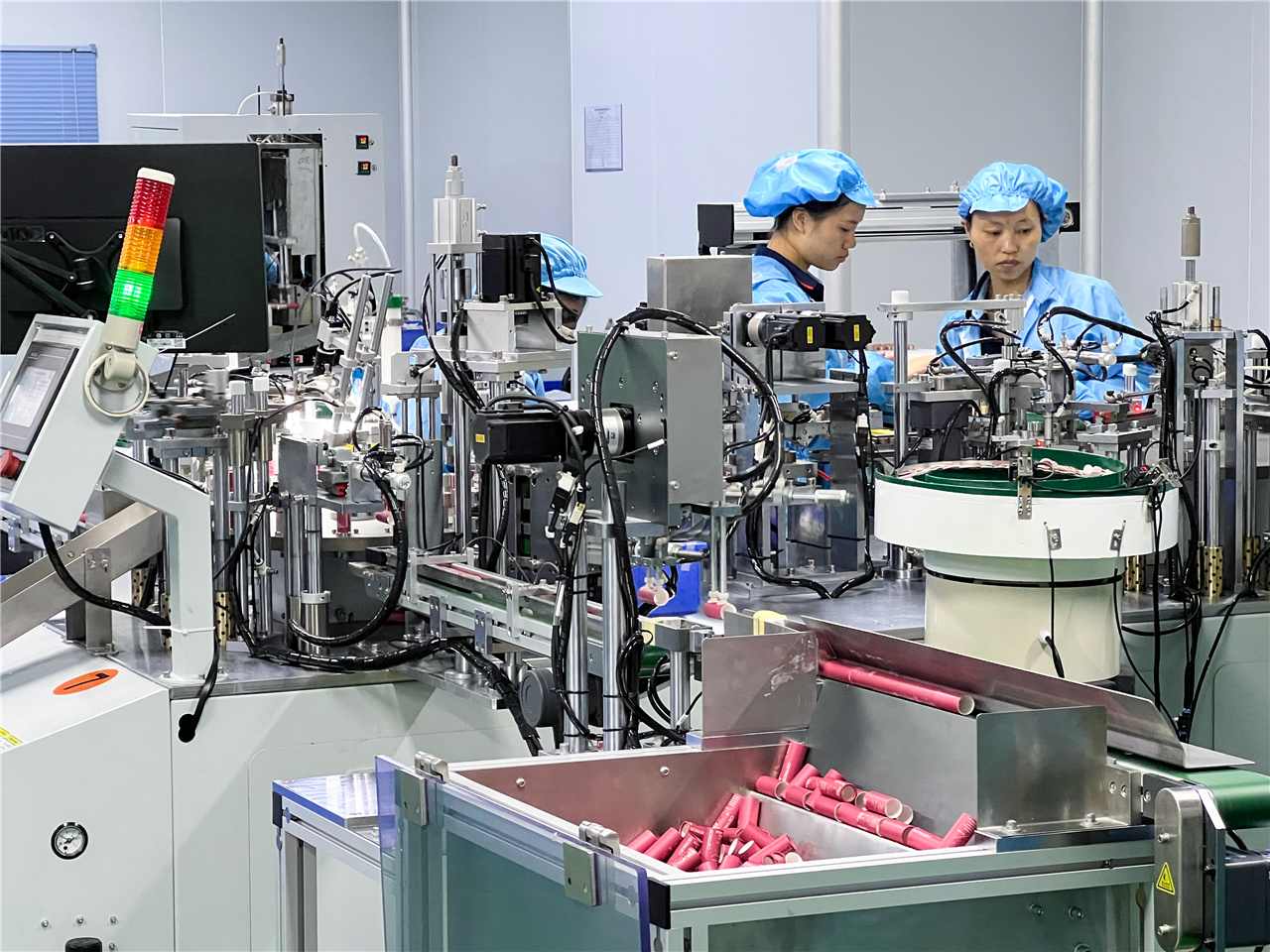
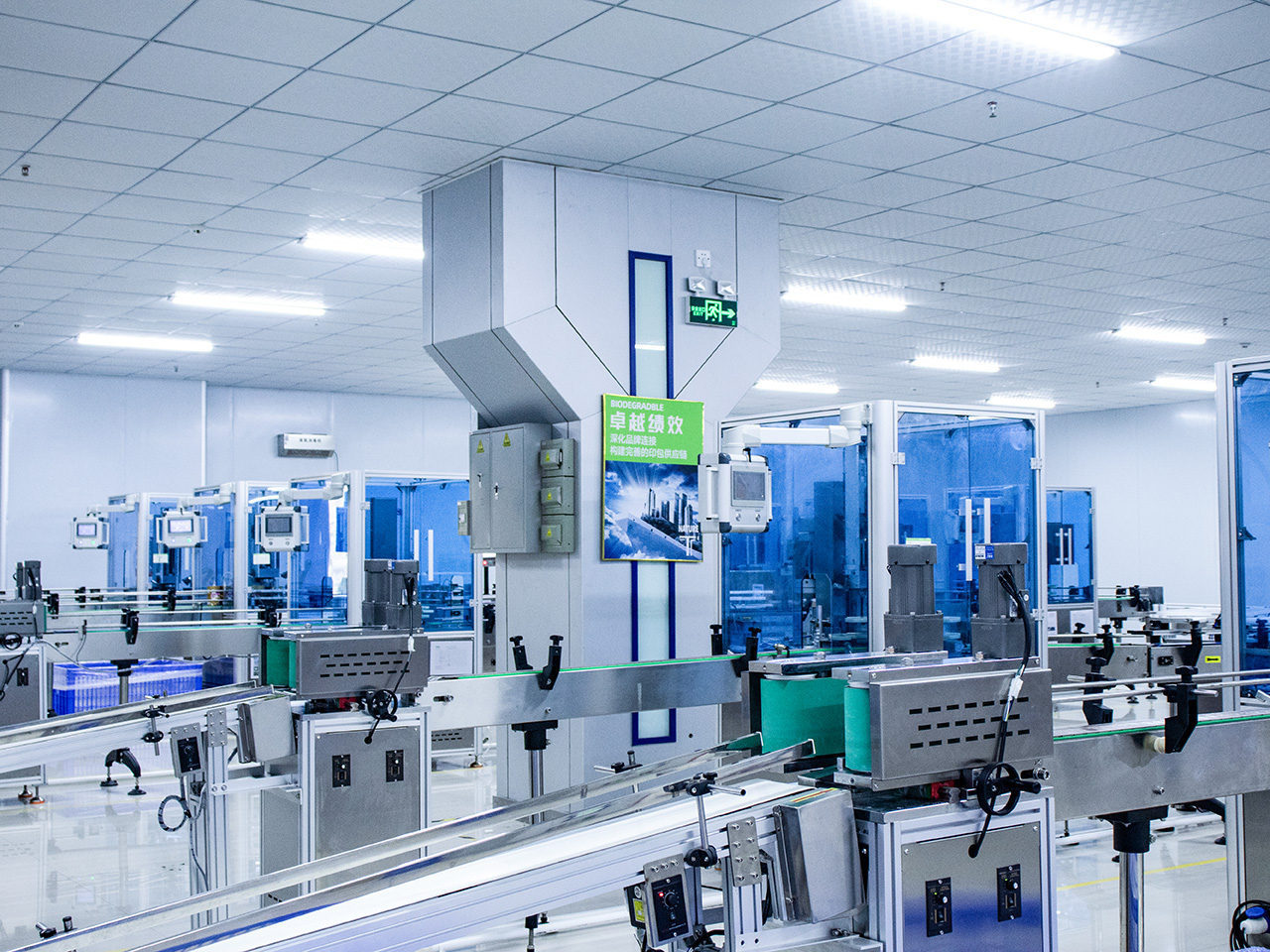
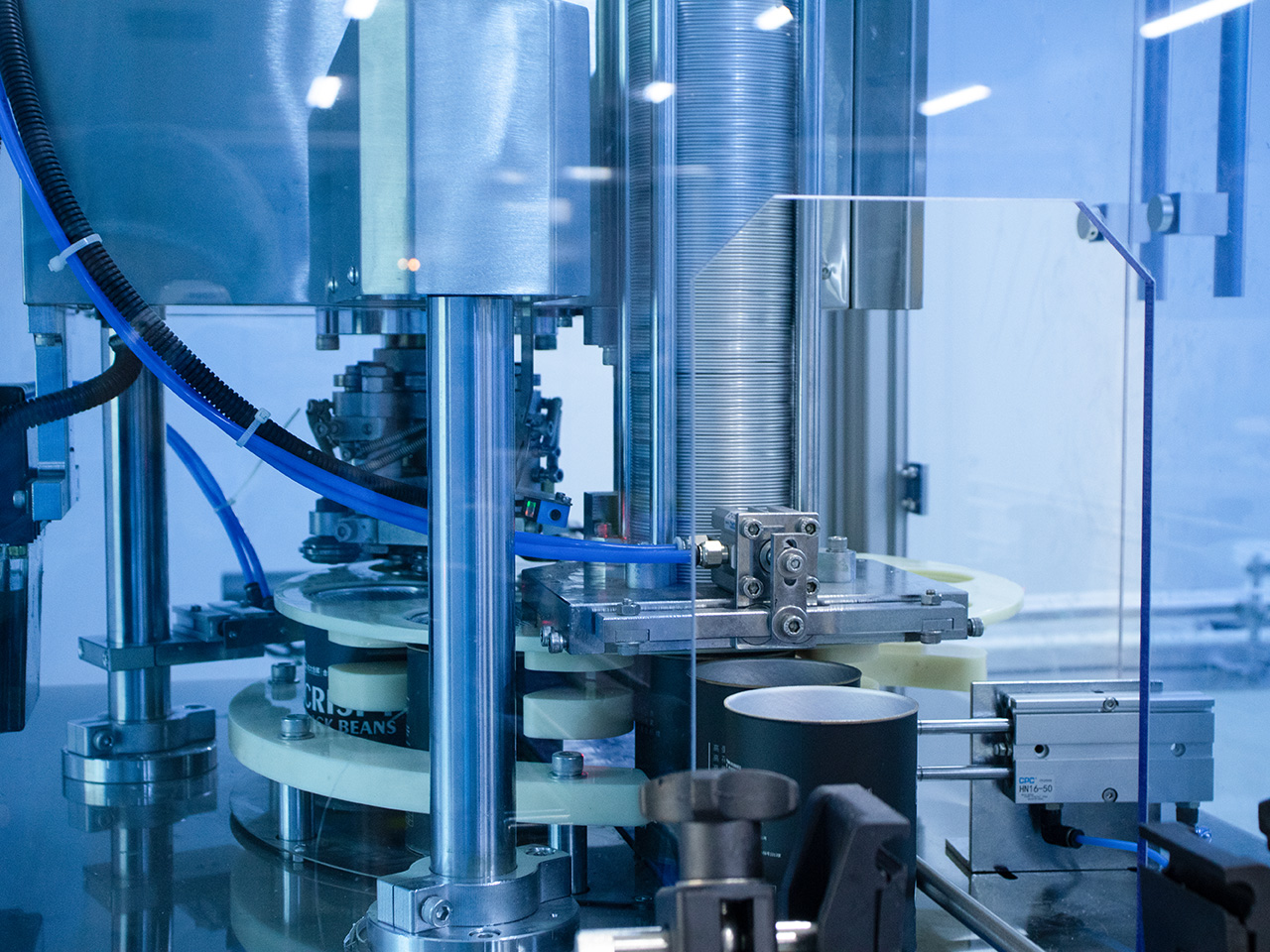
Follow this rigorous technical due diligence checklist before committing capital to a cosmetic packaging production run.
Technical clarity on minimums, recycling verification, transit safety, and customization capabilities.
The perception of cosmetic luxury has migrated from artificial plastic weight to sensory surface craftsmanship. Nextruct paper palettes utilize dense, heavyweight FSC-certified structural cores wrapped in fine uncoated specialty papers, deep embossed brand seals, micro-registered debossed pan wells, and tactile soy-ink finishes. The crisp, clean snap of our engineered friction locks matches the haptic satisfaction of magnetic compacts while reinforcing the modern consumer's demand for genuine environmental stewardship.
Standard glass mirrors cannot be recycled together with paperboard because glued silicate shards contaminate paper pulping tanks. To maintain 100% circularity, we engineer two solutions for brands: First, high-spec mirrorless palettes that encourage consumer vanity table usage while reducing total tare weight; and second, patented pop-out / slide-out mirror frames that allow users to detach the mirror easily before tossing the paper shell into domestic recycling bins.
For high-growth indie beauty startups operating on compressed seasonal drop schedules, speed-to-market is existential. Rapid visual 3D prototyping and blank structural CAD mockups are turned around in 48 to 72 hours. Upon artwork approval, pre-production physical samples require 7 to 10 days. Mass automated production runs typically scale from 25 to 35 business days, drastically outperforming the 16-to-24-week timelines required for injection plastic tooling.
Browse our core structural palette line-up engineered specifically to adapt to your brand's pan configurations, retail constraints, and sustainability milestones.
Origami fold mechanics delivering exceptional vanity display stability without metallic hinges.
Technical Specifications →
Ultra-lightweight postal-friendly flat fold profile, reducing postal dimensional weight surcharges.
Technical Specifications →
Reinforced 1400 GSM structure built to securely carry large pressed pans for artistic and pro lines.
Technical Specifications →
Travel-friendly compact tailored for everyday shade essentials with zero plastic components.
Technical Specifications →
Patented tab tension geometry that snaps firmly shut without the need for rare-earth magnets.
Technical Specifications →
Coated with water-based bio-resins that withstand oil-heavy creams, balms, and baked pigments.
Technical Specifications →
Precision-cut pan borders and hang-tag integration compatibility for direct retail pegboard placement.
Technical Specifications →
Built using our 2026 Red Dot design-awarded kinetic folding technology, balancing strength and elegance.
Technical Specifications →