
Leave Your Message
Engineered to eliminate single-use plastics while guaranteeing zero formulation leakage, oxidation control, and exquisite tactile feedback for global cosmetic brands.
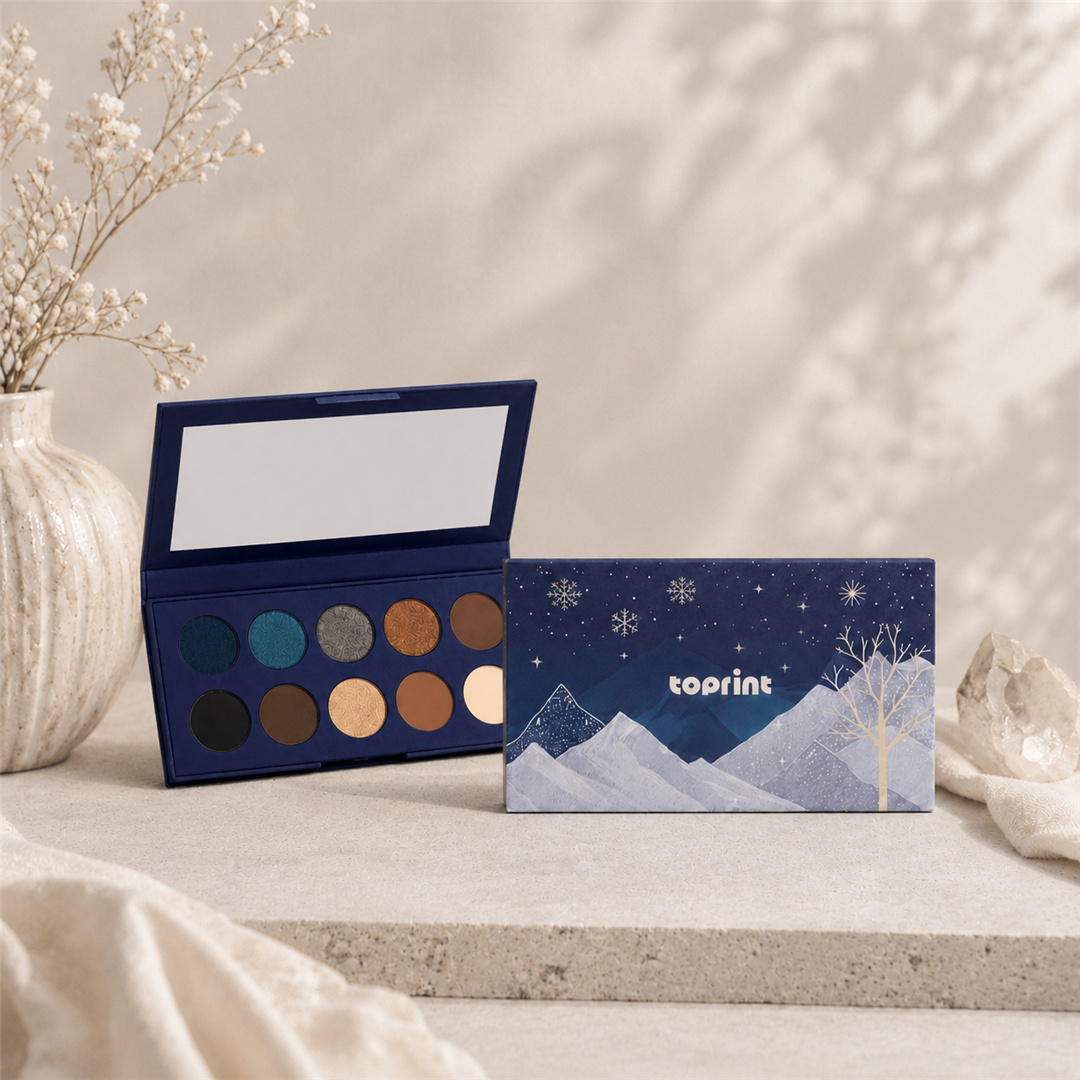
Ultra-rigid molded paperboard with precision perimeter sealing to isolate volatile cream and powder formulations.
Explore Specification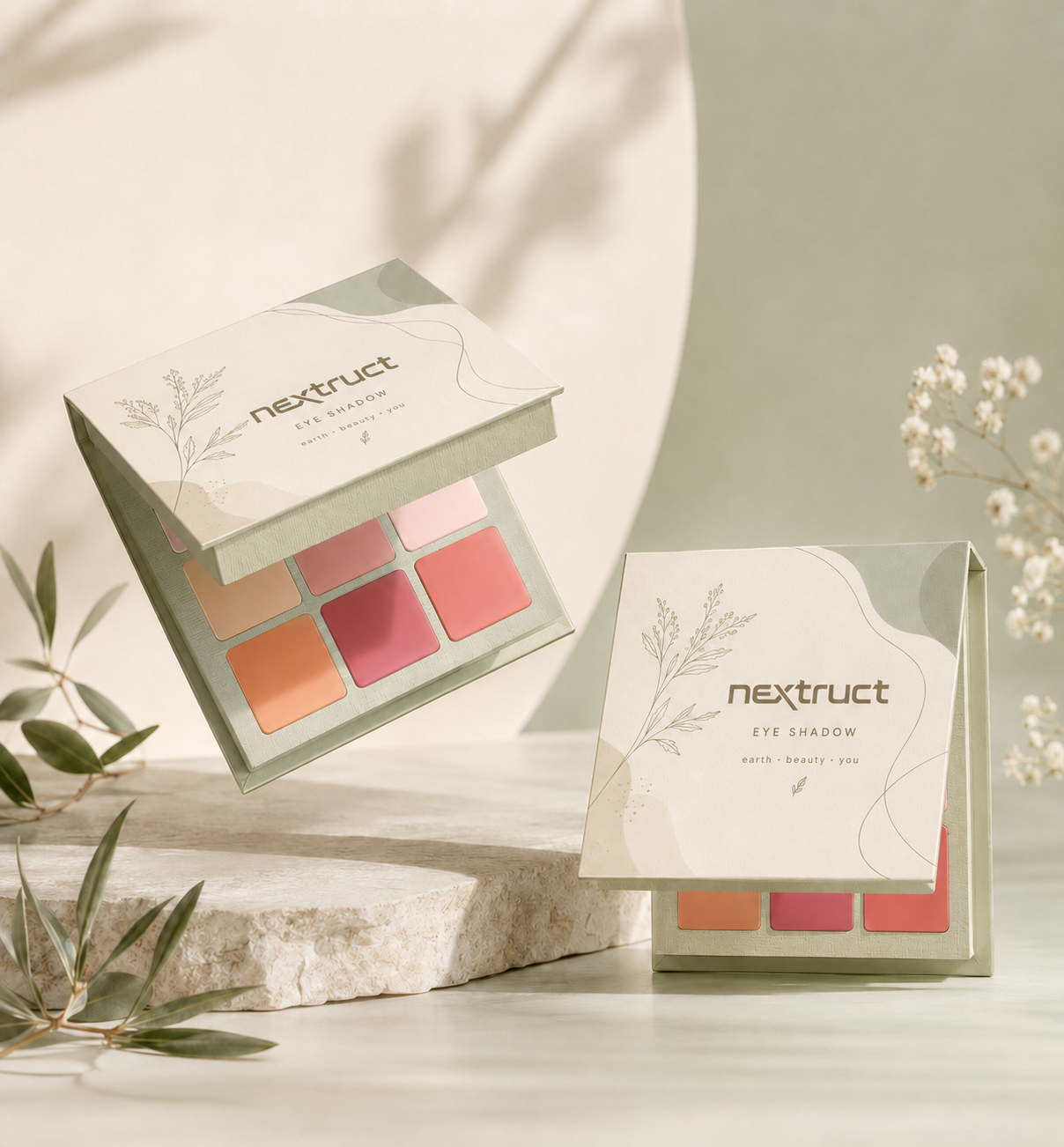
Multi-hinged structural fiber casing with customized pan recess and barrier liners for mess-free powder compaction.
Explore Specification
Integrated multi-well configuration featuring oleophobic fiber walls for combined cream and shimmer pigments.
Explore Specification
Recyclable paper assembly calibrated with micro-friction locking for leak-proof transport and effortless pan swaps.
Explore SpecificationExamining how regulatory pressures, complex binder chemistries, and structural fiber engineering converge to reshape color cosmetics packaging.
The global color cosmetics sector is undergoing an unprecedented structural transition. For decades, eyeshadow palettes and eye pigment containers relied almost exclusively on petrochemical virgin plastics—primarily Acrylonitrile Butadiene Styrene (ABS), Styrene Acrylonitrile (SAN), and Polyethylene Terephthalate (PET)—to ensure dimensional stability, tight tolerances, and chemical inertness against cosmetic binders. However, aggressive international policy frameworks such as the European Union's Packaging and Packaging Waste Regulation (PPWR), extended producer responsibility (EPR) mandates, and corporate net-zero pledges have rendered non-recyclable multi-material plastic palettes a substantial commercial liability.
Concurrently, formula architectures for eye pigments have evolved far beyond standard dry-pressed powders. Today's high-performance eyeshadow palettes feature volatile hybrid textures, including cream-to-powder formulations, squalane-rich binders, multi-chrome silicone suspensions, and water-phase gel pigments. When brands transition these sensitive cosmetic matrices into eco-conscious paperboard or cylindrical paper tube packaging, the barrier to success is steep: liquid binder leakage, oil ring migration, volatile solvent evaporation, and structural softening of cellulose fibers.
Achieving a truly leak-proof paper tube and eyeshadow palette system demands an uncompromising synthesis of high-density cellulose pulp molding, bio-polymer barrier engineering, and micro-calibrated friction closure mechanics. The modern packaging engineer must ensure that sustainable fiber structures withstand dynamic mechanical shear and maintain hermetic integrity throughout the product's entire retail and consumer usage lifecycle.
Modern consumers demand versatile pigments suitable for eyelids, cheeks, and lips. These formulations contain higher lipid fractions and volatile emollients (such as isododecane and dimethicone) that cause rapid fiber breakdown in conventional paperboard if advanced oleophobic coatings are not structurally deployed.
Industrial brands that master leak-proof paper packaging reap immediate commercial dividends. Sustainable packaging is no longer merely a public relations talking point; it directly drives repeat purchase rates, premium shelf positioning in prestige clean retailers, and dramatic reductions in carbon-related tariffs across export markets.
By engineering paper tubes and palette enclosures with airtight lip geometries, uniform radial compression, and zero-plastic biodegradation profiles, forward-thinking manufacturers establish defensible competitive moats while accelerating the global cosmetic transition toward genuine circularity.
A rigorous breakdown of physical, chemical, and structural parameters required to safeguard complex eye pigment formulations within mono-material fiber packaging.
Spiral-wound or convolute paper tubes used for pigment sticks or palette pan housings require diameter tolerances within ±0.05 mm. Any radial ovality results in air channel micro-gaps where volatile emollients escape. The interior cap-to-body overlap must deliver a calculated mechanical interference fit that resists dislodgement during transport while providing a smooth, satisfying gliding friction upon opening.
Eyeshadow binders commonly rely on triglycerides, jojoba oil, or caprylic esters. Standard paper substrates readily absorb these lipids, causing greasy halo discoloration. Applying food-contact compliant, fluorochemical-free (PFAS-free) aqueous dispersion coatings (ADCs) or biopolymer films (such as bio-based PHA or PLA coatings) creates an impenetrable surface energy barrier without disrupting industrial pulping and repulpability.
Volatile binders evaporate when exposed to ambient air, causing cream shadows to shrink, crack, and lose blendability. Leak-proof paper packaging must achieve a controlled Moisture Vapor Transmission Rate (MVTR < 2.0 g/m²/day) and Oxygen Transmission Rate (OTR). Precision heat-induction paper foil seals or plant-based elastomeric gasket rings at the tube base and palette closure prevent atmospheric oxidation.
Cosmetics packaging experiences high vibration and drop forces in global logistics. The fiberboard caliper for eyeshadow palettes must maintain high Mullen burst values (> 1200 kPa) and edge crush resistance (ECT). Paper tubes housing loose pigments or pressed pans must survive 1.2-meter drop testing (ISTA 1A/3A protocols) without delamination, seam bursting, or internal pan dislodgement.
To eliminate greenwashing, every coating, bio-adhesive, and ink formulation used on the paper tube and palette frame must achieve recyclability certification under standard EN 13430 or PTS recyclability testing. Coatings must cleanly separate in conventional hydropulpers without clogging recycling screens or contaminating recycled fiber streams with microplastics.
Cosmetics travel through fluctuating climates, from winter freight freezes (-20°C) to high-humidity summer shipping containers (+50°C). Paper tubes must be treated with anti-hydroscopic sizing agents to prevent tube swelling or shrinkage, which could compromise the leak-proof seal and cause product leakage during transit across distinct climate zones.



Exploring practical cosmetic formulation use cases where leak-proof paper tube systems and reinforced paper palettes resolve critical formulation challenges.
Cream eyeshadow sticks contain volatile silicones and wax esters that liquefy during elevated transit temperatures. Utilizing our precision spiral-wound paper tubes fitted with internal bio-barrier liners prevents liquid wax bleed from reaching outer paper layers. The airtight push-up or twist paper base maintains factory freshness and prevents formula desiccation.
Traditional palettes rely on neodymium magnets and metal pans, making mechanical recycling impossible. Our patented paper cavities utilize integrated mechanical paper friction clips and precision die-cut wells. Even when loaded with highly binder-saturated multi-chrome powders, the oleophobic bottom liner stops oil ring bleeding onto consumer branding.
Loose mineral pigments and pearl powders possess micro-particle dimensions prone to dusting through minimal gap tolerances. Our paper tube canisters incorporate an internal telescoping collar with precision chamfered edges, guaranteeing a zero-tolerance particulate seal that stops powder dusting throughout cross-border e-commerce shipping.
Combining rigorous structural engineering, international compliance standards, and sustainable brand collaboration.
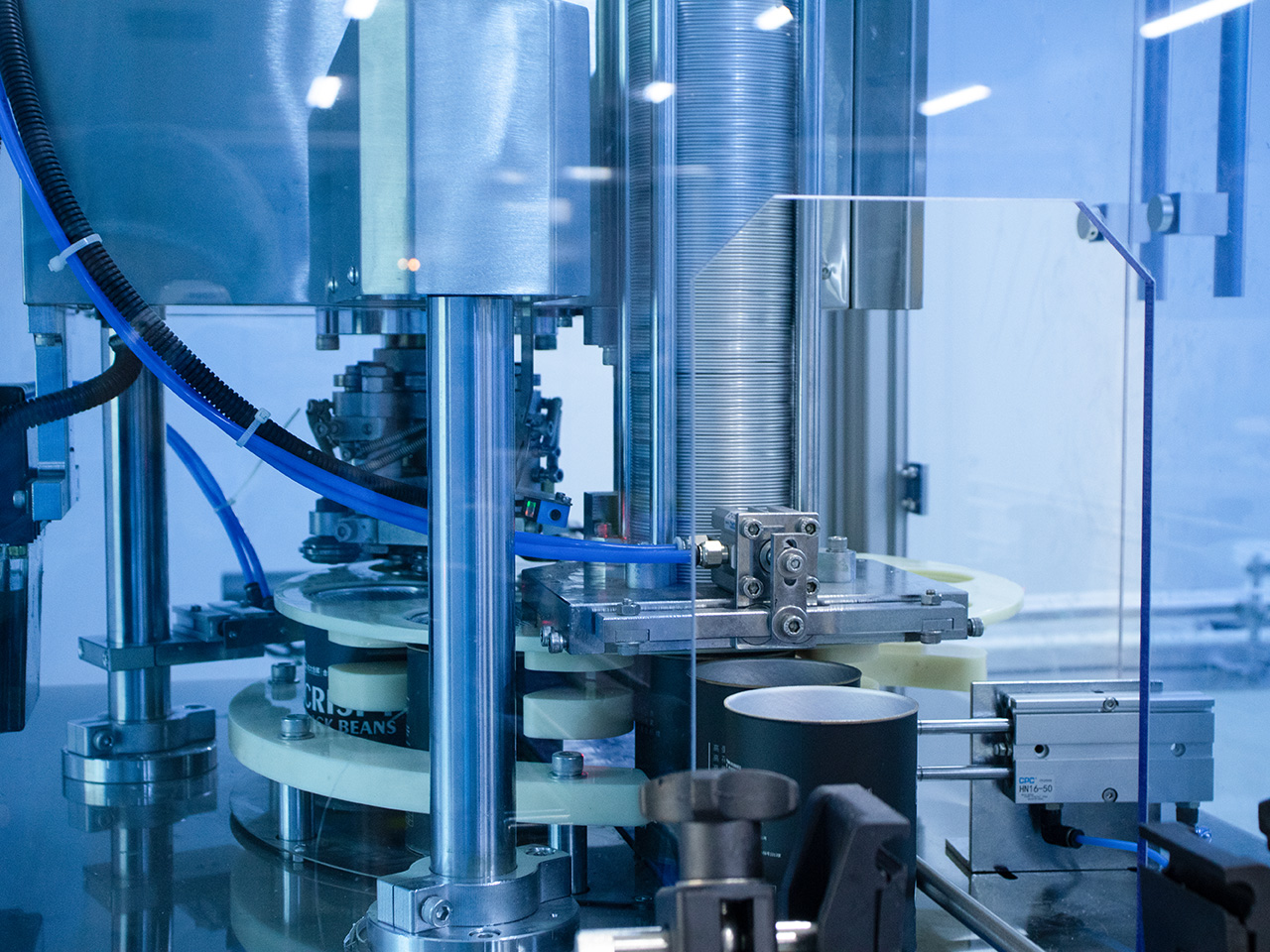
How artificial intelligence modeling and cellulose nanotechnology are transforming the durability, precision, and sustainability of paper cosmetics packaging.
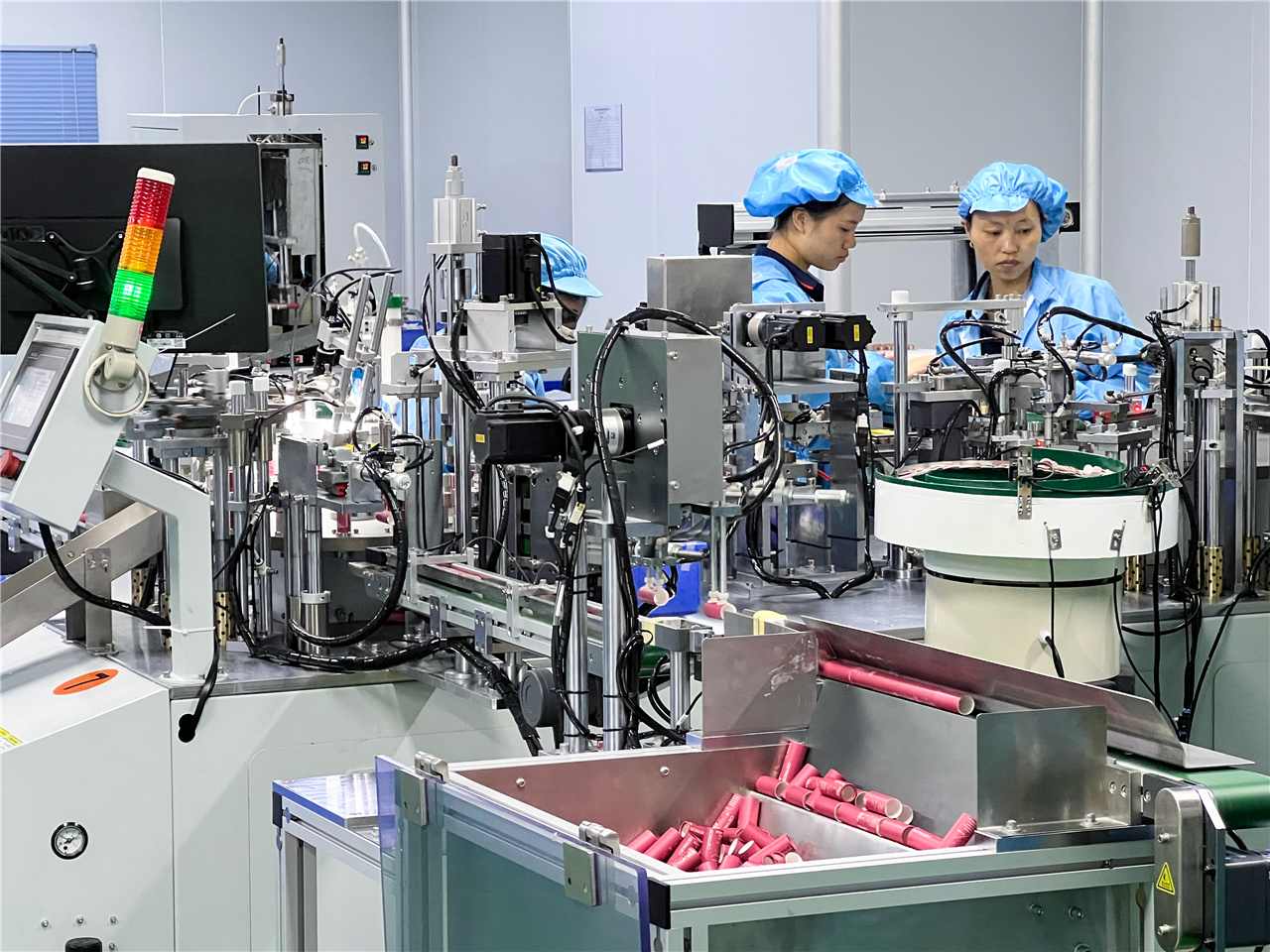
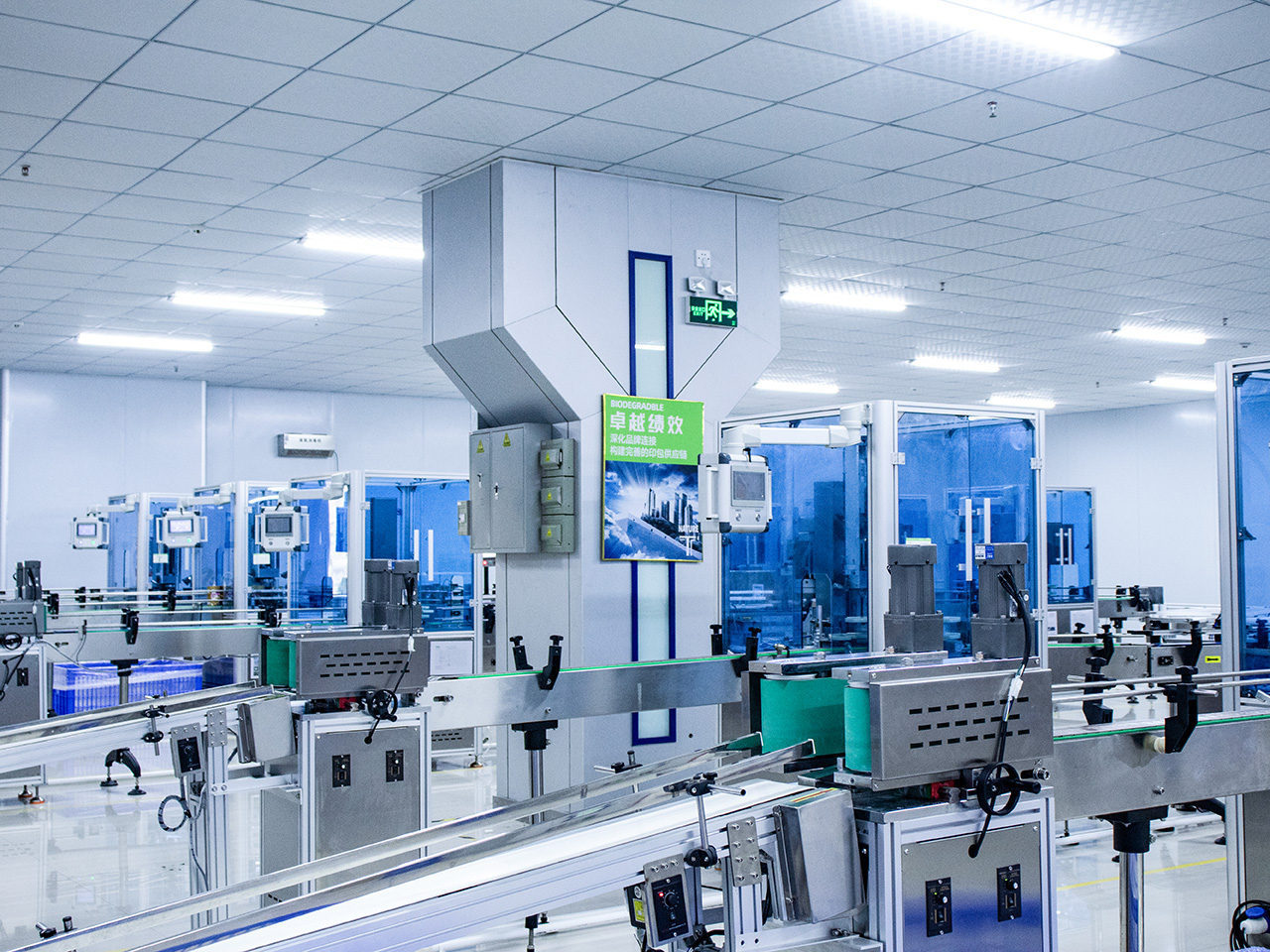
The boundary between traditional paper converting and advanced materials science is rapidly dissolving. At Nextruct, we implement Finite Element Analysis (FEA) and AI-driven topological design algorithms to simulate hinge flex stress, drop impact deformation, and hermetic friction seals prior to manufacturing physical tooling. By calculating stress distribution along paper fibers in a virtual environment, our engineers identify potential delamination zones and micro-gap occurrences under varying atmospheric conditions.
Looking toward future industrial cycles, the deployment of Cellulose Nanofibrils (CNF) is poised to replace traditional plastic barriers completely. Derived directly from plant biomass, CNF coatings create an ultra-dense, transparent crystal lattice on paperboard surfaces that exhibits an Oxygen Transmission Rate comparable to metalized films, while preserving 100% repulpability in municipal paper recycling streams.
Furthermore, consumer interaction is being enhanced through smart, plastic-free closures. By developing precision origami-inspired locking clasps and micro-embossed paper friction ribs, paper tubes achieve that coveted, resonant "snap" closure that consumers psychologically associate with prestige cosmetics—entirely without hidden plastic snap rings or rare-earth magnetic strips.
As global brands strive to decouple their supply chains from fossil fuel dependencies, the future of cosmetic packaging lies in structural fiber innovations that sacrifice nothing: high aesthetic luxury, airtight barrier protection, dynamic mechanical resilience, and genuine circular recyclability from forest to vanity table.
Explore our comprehensive lineup of award-winning sustainable configurations customized for luxury color cosmetics, skincare sticks, and clean beauty pigments.
Class-leading rigid paperboard construction engineered with full-perimeter dust containment for multi-color pressed eye pigments.
View Details
Patented origami-inspired folding closure offering dual-angle mirror integration and oil-shielding base paperboard.
View Details
Thermal-resistant internal coating engineered specifically for hot-pour eyeshadow formulations and high-lipid emollients.
View Details
Ultra-precise spiral winding with seamless friction lip closure designed to house loose duochrome mica powders.
View Details
100% plastic-free, glue-free interlock mechanism certified for curbside recycling in standard municipal paper waste streams.
View Details
Modular circular packaging allowing users to snap in replacement eye pigment pans without single-use plastic waste.
View Details
Engineered with high Mullen burst resistance, tactile soft-touch surface treatments, and organic soy-based inks.
View Details
Multilayer aqueous bio-barrier interior providing MVTR and OTR protection for solvent-sensitive chromatic gels.
View Details