Leave Your Message
High-performance cylindrical and oval paperboard vessels designed to meet stringent global child-resistant protocols while maintaining 100% recyclability.
Across North America, the European Union, and Asia-Pacific markets, packaging manufacturers face a dual challenge: complying with uncompromising Child-Resistant (CR) and senior-friendly packaging mandates, while systematically divesting from single-use virgin plastics. Historically, child-resistant containers relied heavily on injection-molded polyolefins (PP, HDPE) equipped with push-and-turn ratchets or squeeze-and-pull tabs. However, rising Extended Producer Responsibility (EPR) tariffs, strict European Packaging and Packaging Waste Directives (PPWR), and aggressive consumer pushback against microplastics have forced a dramatic engineering transformation.
Rigid carton tube packaging has surfaced as the premier sustainable alternative. Engineered via multi-ply spiral winding or convoluted winding of virgin unbleached kraft and FSC-certified post-consumer fibers, rigid paperboard tubes offer natural structural rigidity, superior vertical crush resistance, and tactile sophistication that elevated wellness and medicinal brands demand.
Compliant carton tube packaging must navigate rigorous validation frameworks:
Transforming flexible cellulose fibers into a certified high-security packaging system requires advanced kinematic design, micro-die cutting, and composite paper matrix engineering.
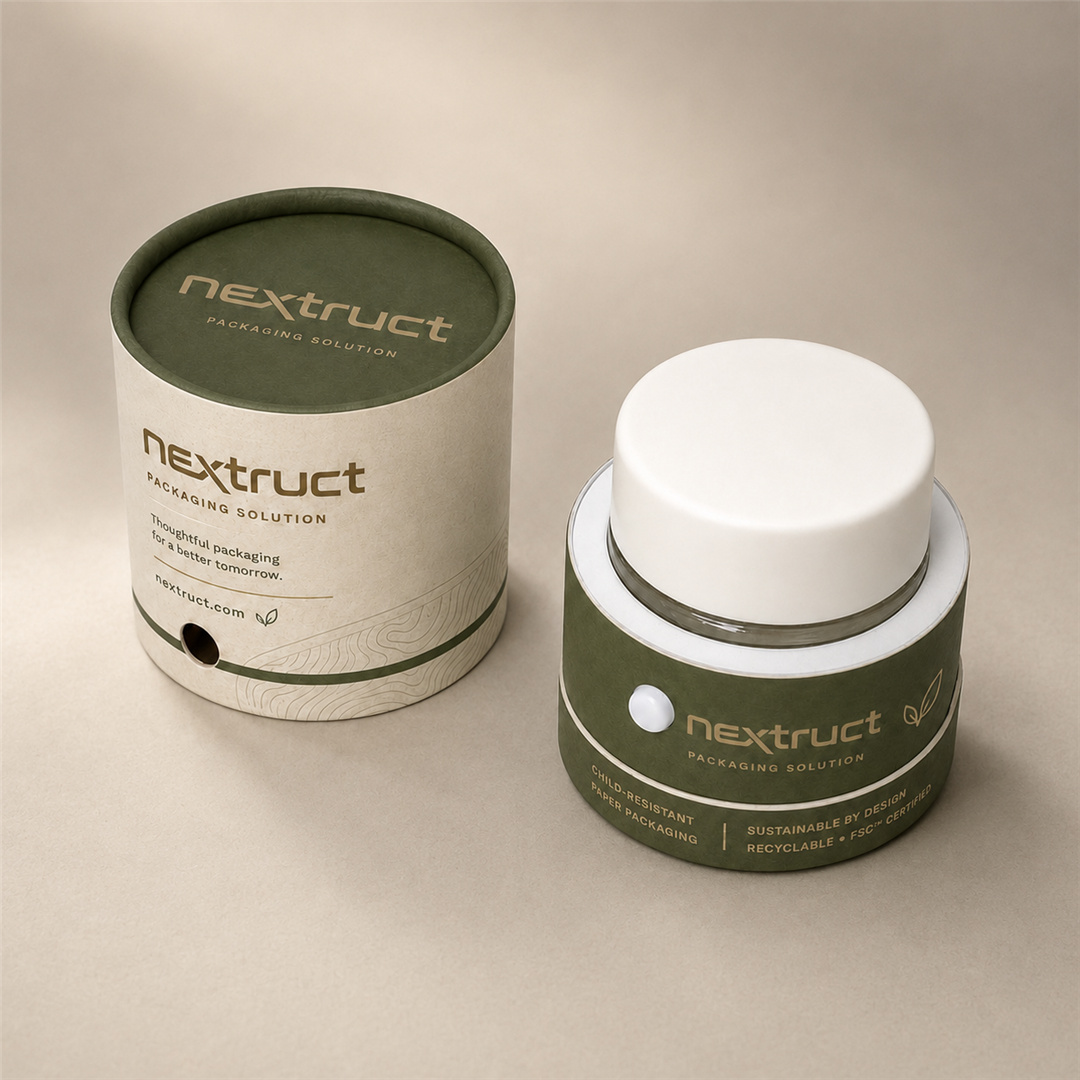
Engineered using high-caliper recycled kraft with natural elasticity. Opposing push-tabs require simultaneous bilateral thumb pressure while lifting the outer tube sleeve, introducing a cognitive and motor-coordination barrier insurmountable for children under 5 years old.
CNC-grooved spirally wound inner cores that engage with an internal composite detent ring. The user must rotate the cap past a calibrated torque threshold and line up tactile alignment indicators to disengage the internal retention bead.
Child-resistant compliance is ineffective if product stability is compromised. Multi-layer water-based dispersion barriers eliminate mineral oil saturated hydrocarbons (MOSH/MOAH) migration, delivering moisture vapor and oxygen protection equivalent to conventional plastic linings.
| Performance Attribute | Conventional Injection Plastics | Nextruct Engineered Carton Tubes | Regulatory & Commercial Impact |
|---|---|---|---|
| CR Mechanism Integrity | Push-and-turn ratchets (prone to fatigue) | Precision fiber push-release & detent locks | Full 16 CFR § 1700.20 & ISO 8317 Certification |
| Recyclability & Circularity | Low kerbside rates; mixed resin contamination | Kerbside recyclable paper stream (FSC Mix) | Zero EPR penalty taxes across EU & North America |
| Surface Printable Real Estate | Requires secondary labeling or pad printing | 360° high-definition continuous offset/foil printing | Immediate mandatory CR warnings & serialization visibility |
| Thermal & Crush Resistance | High radial rigidity; brittle under freezing | Spiral ply matrix with up to 1200g/m² tensile strength | Drop-test certified from 1.8 meters onto hard surfaces |
From regulated botanical extracts to sensitive wellness formulations, child-resistant carton tube packaging provides tailored structural safeguards across diverse industrial ecosystems.
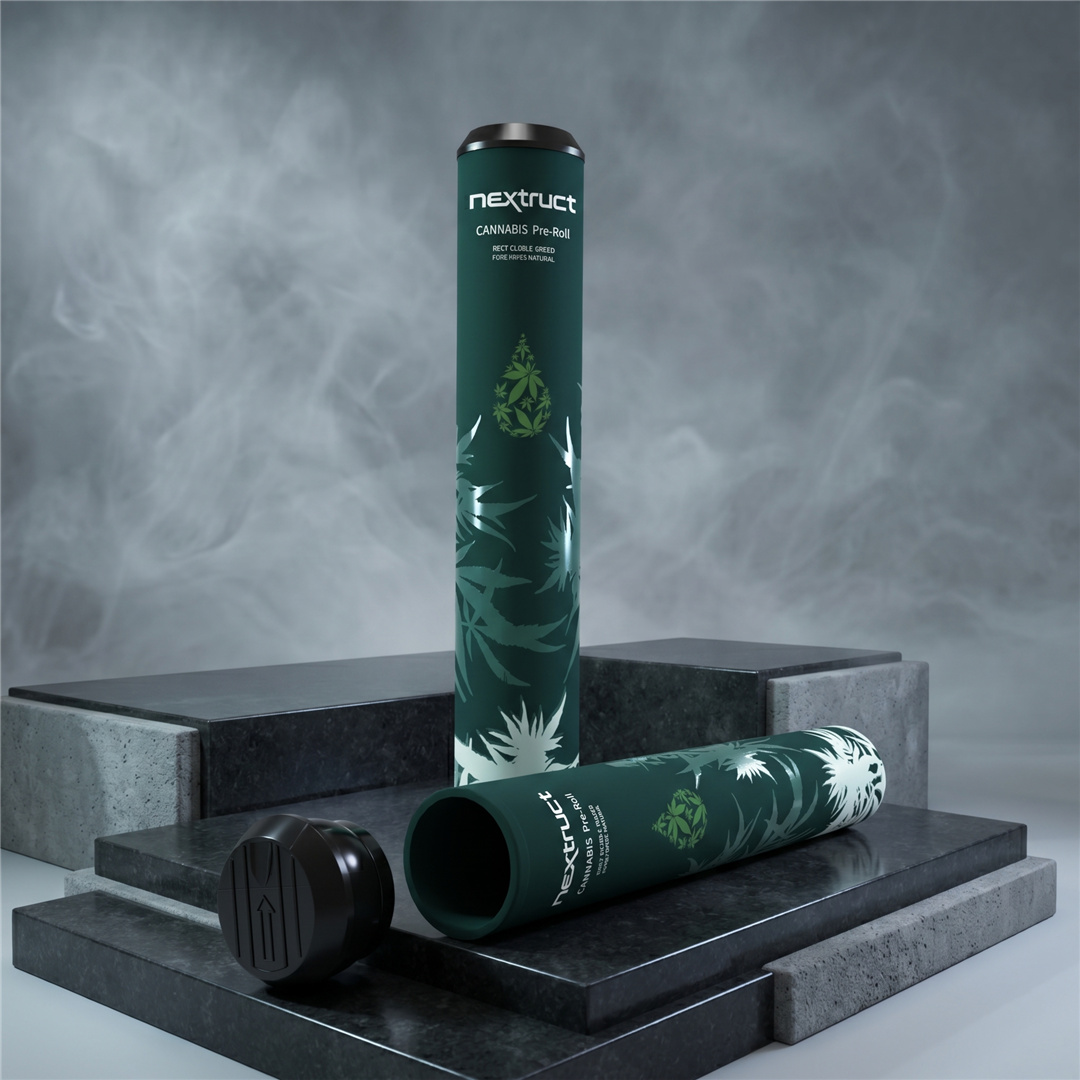
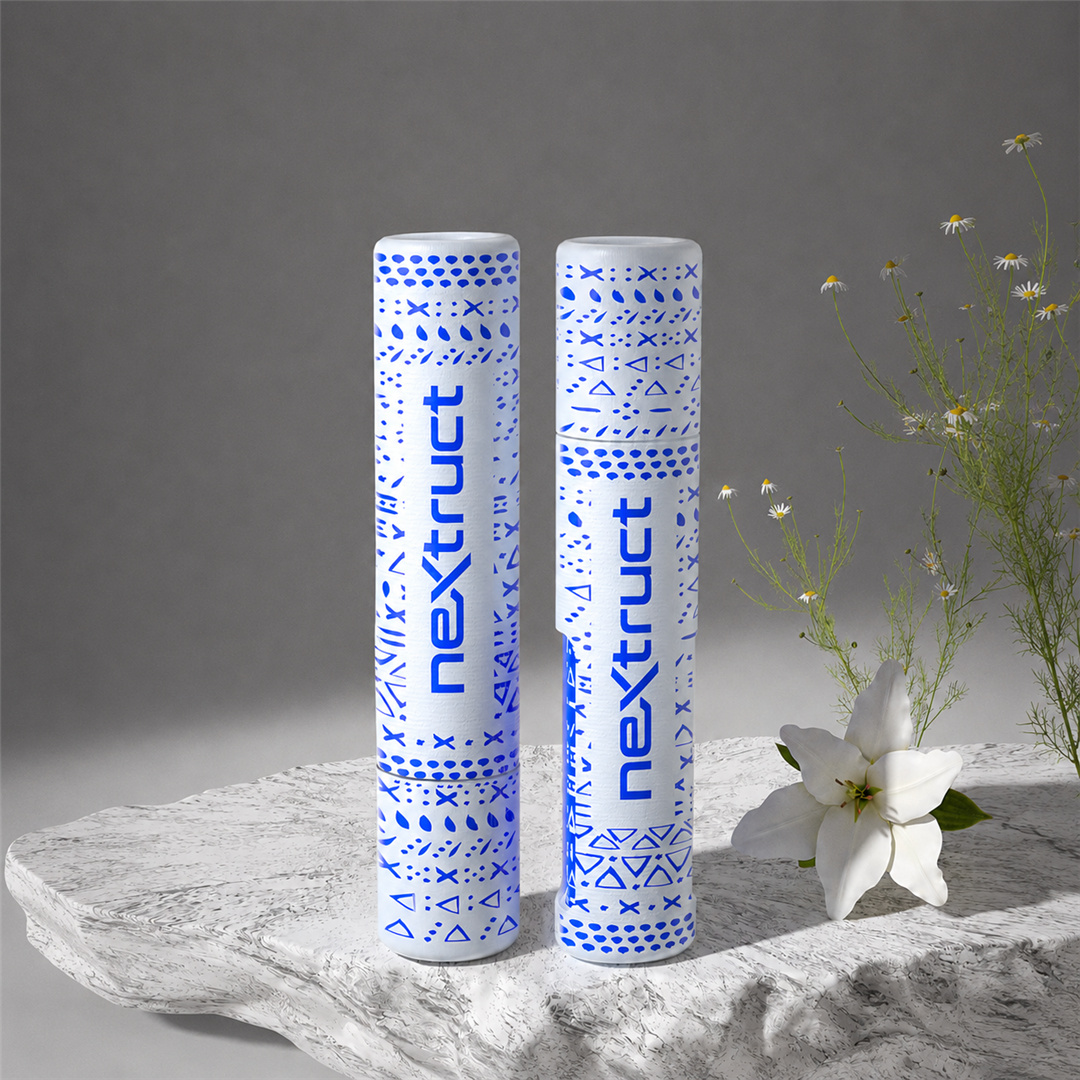
In North American and emerging European medical cannabis markets, packaging must prevent accidental ingestion by minors while maintaining delicate terpene profiles. Nextruct’s pre-roll paper tubes and concentrate outer canisters employ patent-pending locking caps and composite barriers that lock out UV degradation and humidity fluctuations. The elongated cylindrical format accommodates multi-pack pre-rolls with tamper-evident band integration, offering dispensaries an eco-friendly aesthetic that elevates brand perception.
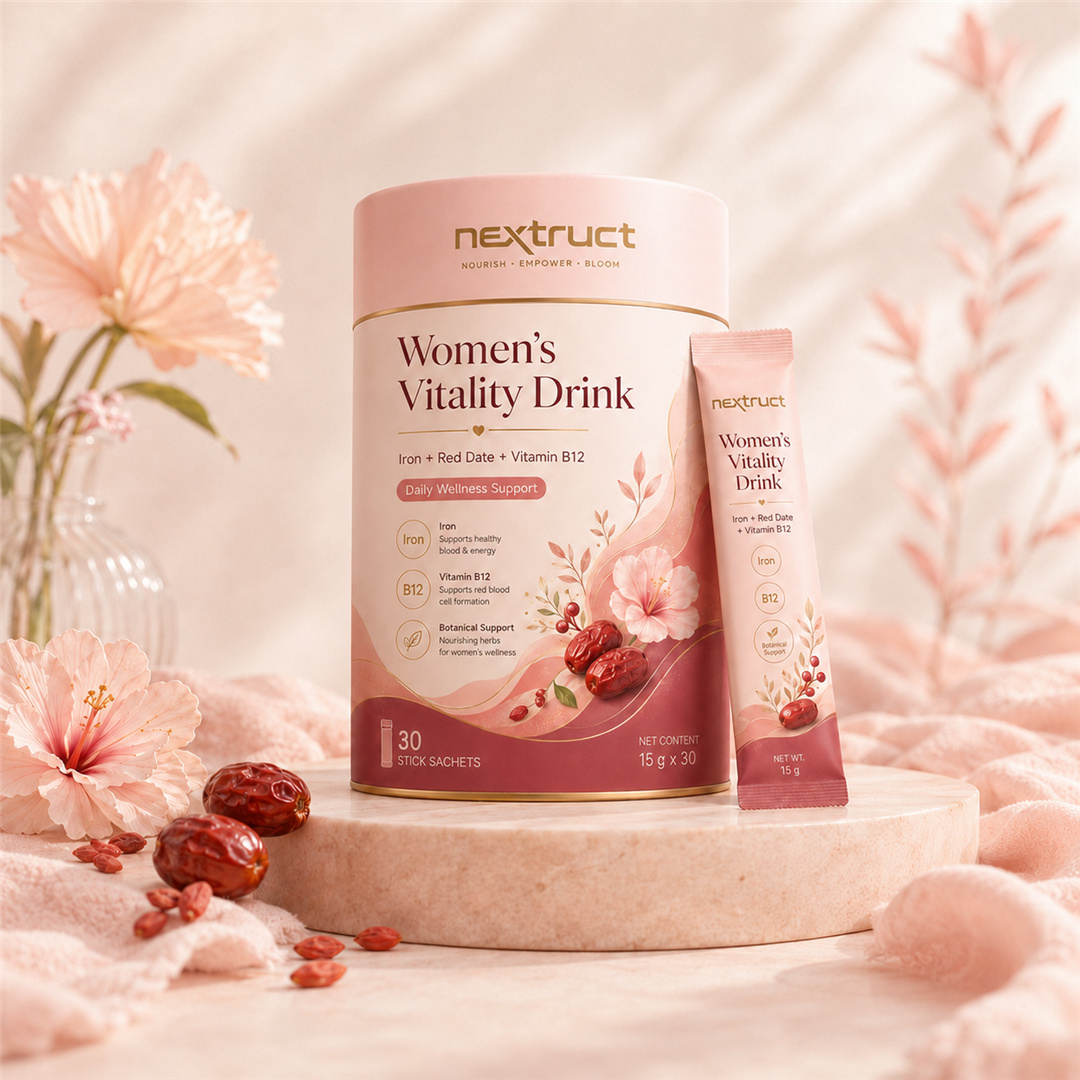
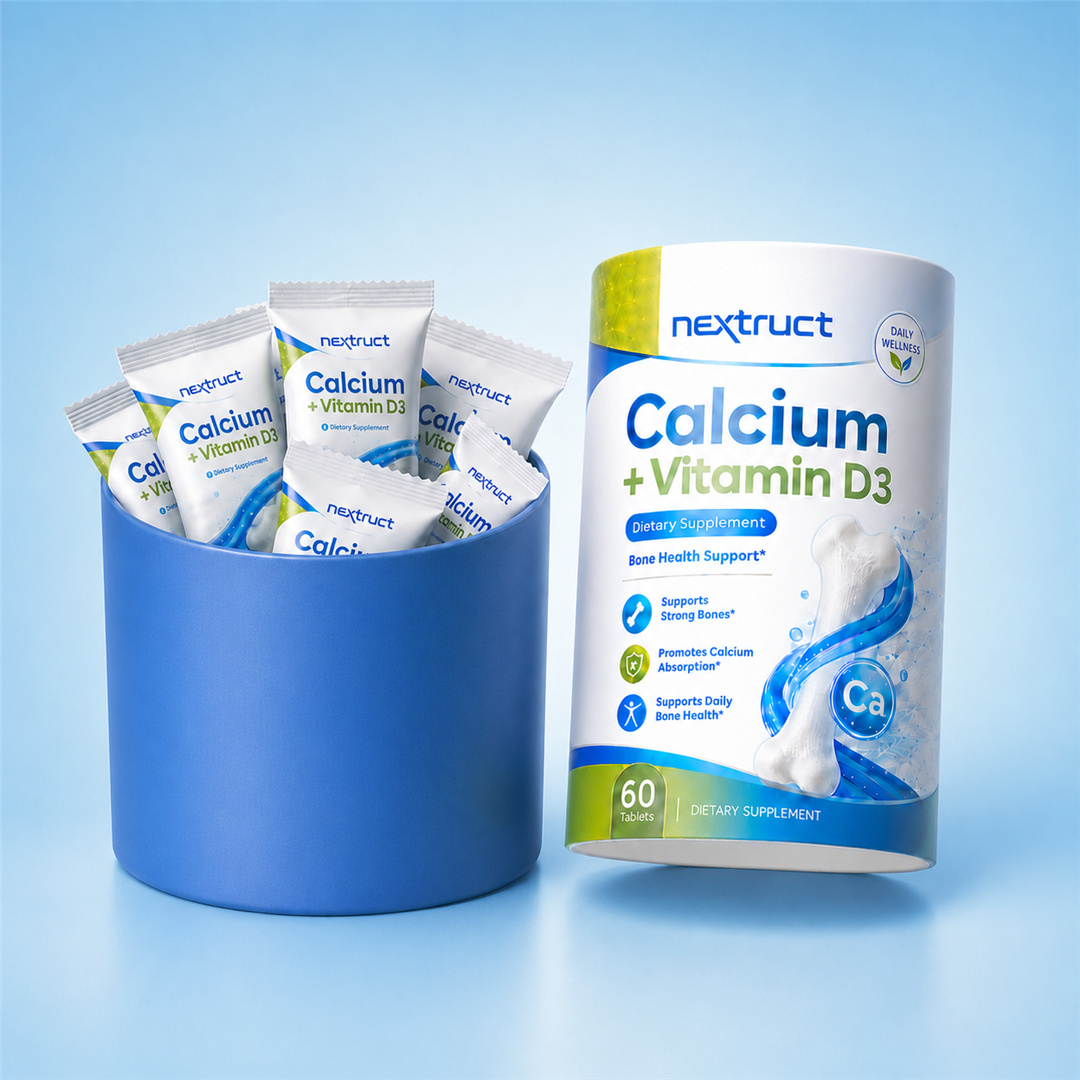
Iron supplements, fat-soluble vitamins (A, D, E, K), and concentrated caffeine gummies represent critical domestic ingestion risks for infants. Custom paper supplement tubes offer a child-resistant barrier without clinical sterility aesthetics. Coupled with food-grade foil induction seals or moisture-scavenging inner linings, these tubes preserve tablet effervescence and hygroscopic gummy integrity while meeting strict FDA and EFSA child-safety standards.
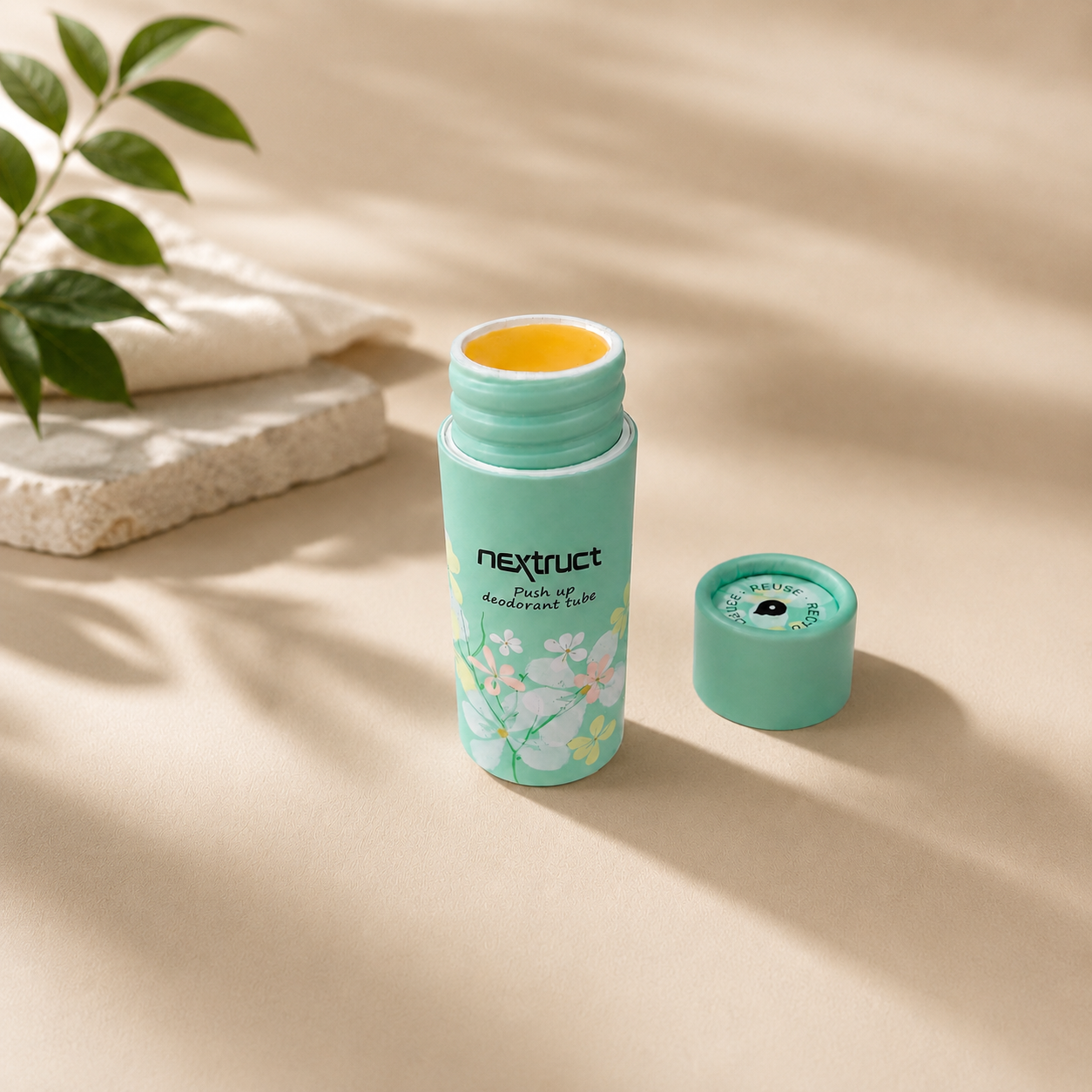
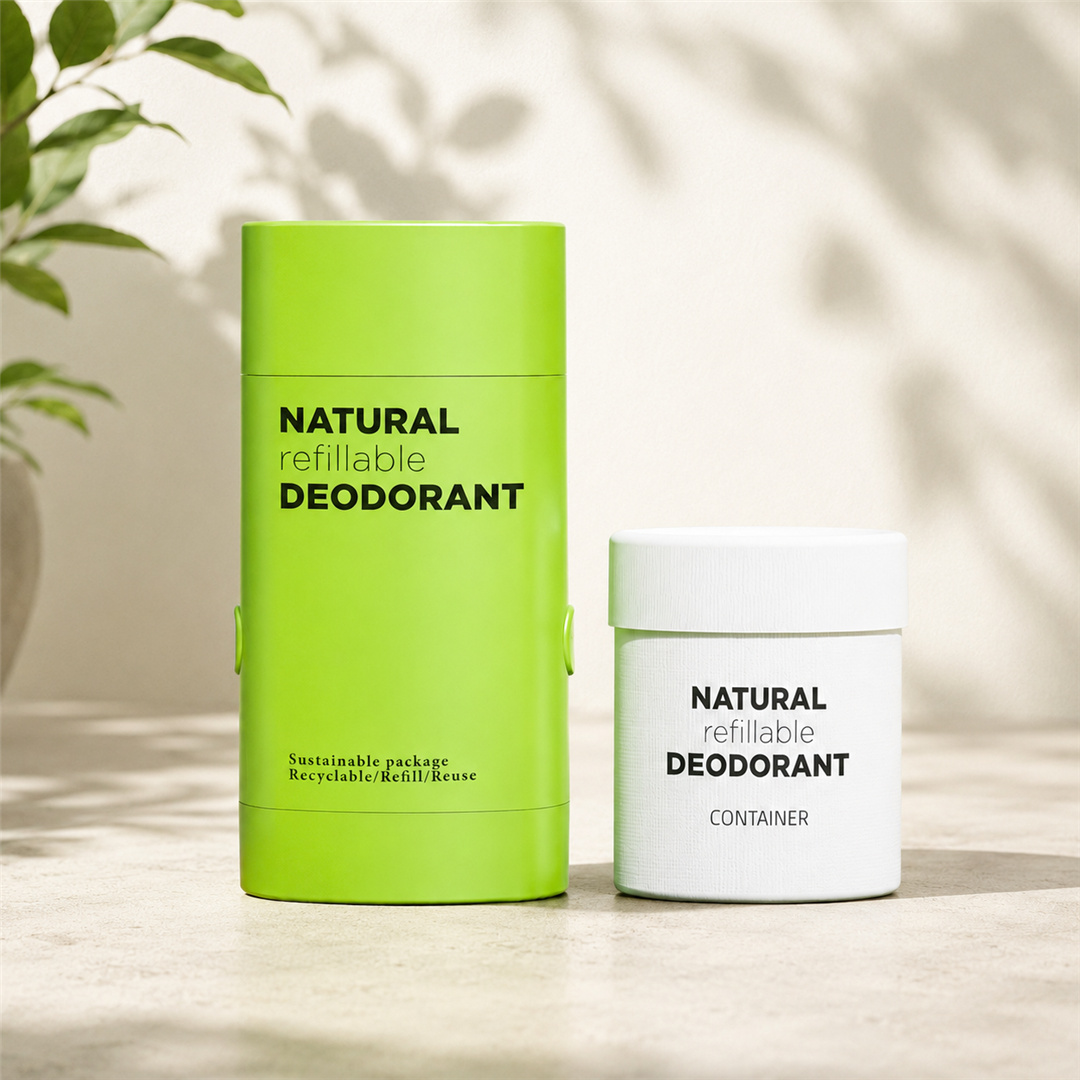
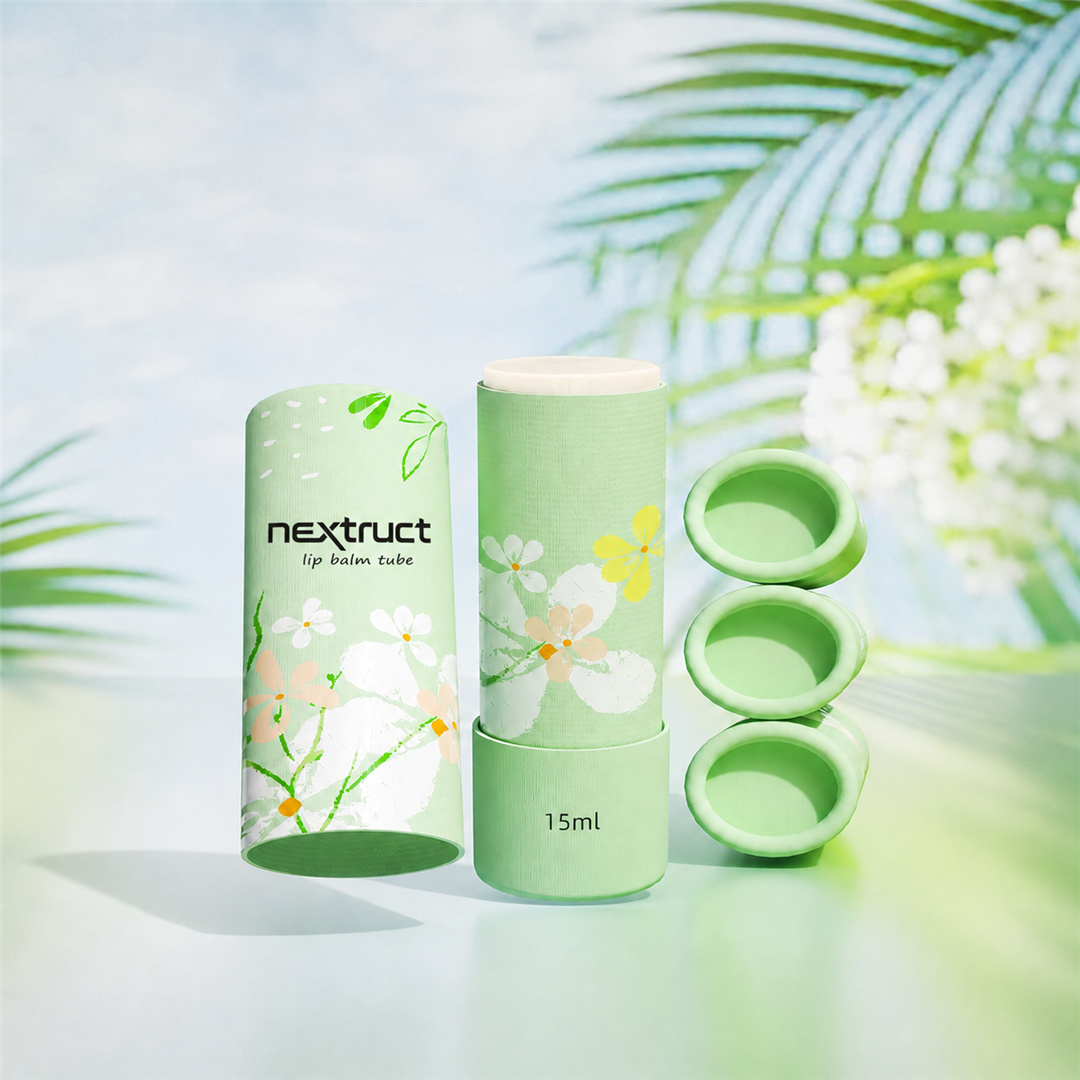
High-concentration active ingredients such as retinoids, AHA/BHA chemical exfoliants, and prescriptive dermatological balms increasingly migrate to solid stick formats. Nextruct’s FSC Oval Deodorant and Refillable Balm tubes utilize screw-driven or push-up mechanisms. For formulations containing pharmaceutical-grade active compounds, integrated safety latches prevent young children from dispensing and consuming high-toxicity topical products.
Concentrated laundry pods and dishwashing capsules represent another primary focus of poison prevention legislation. Cylindrical composite fiber tubes equipped with adult-ergonomic squeeze-and-lift lids offer an attractive alternative to flimsy plastic zip bags and cumbersome plastic tubs, optimizing shipping cube density and retail shelf presentation.

Nextruct (formerly Toprint) — Leading Engineering in Certified Safe Paper Tubes


Executing safety-critical paperboard packaging requires an unbroken chain of custody, tight geometric tolerances, and certified ethical management systems.
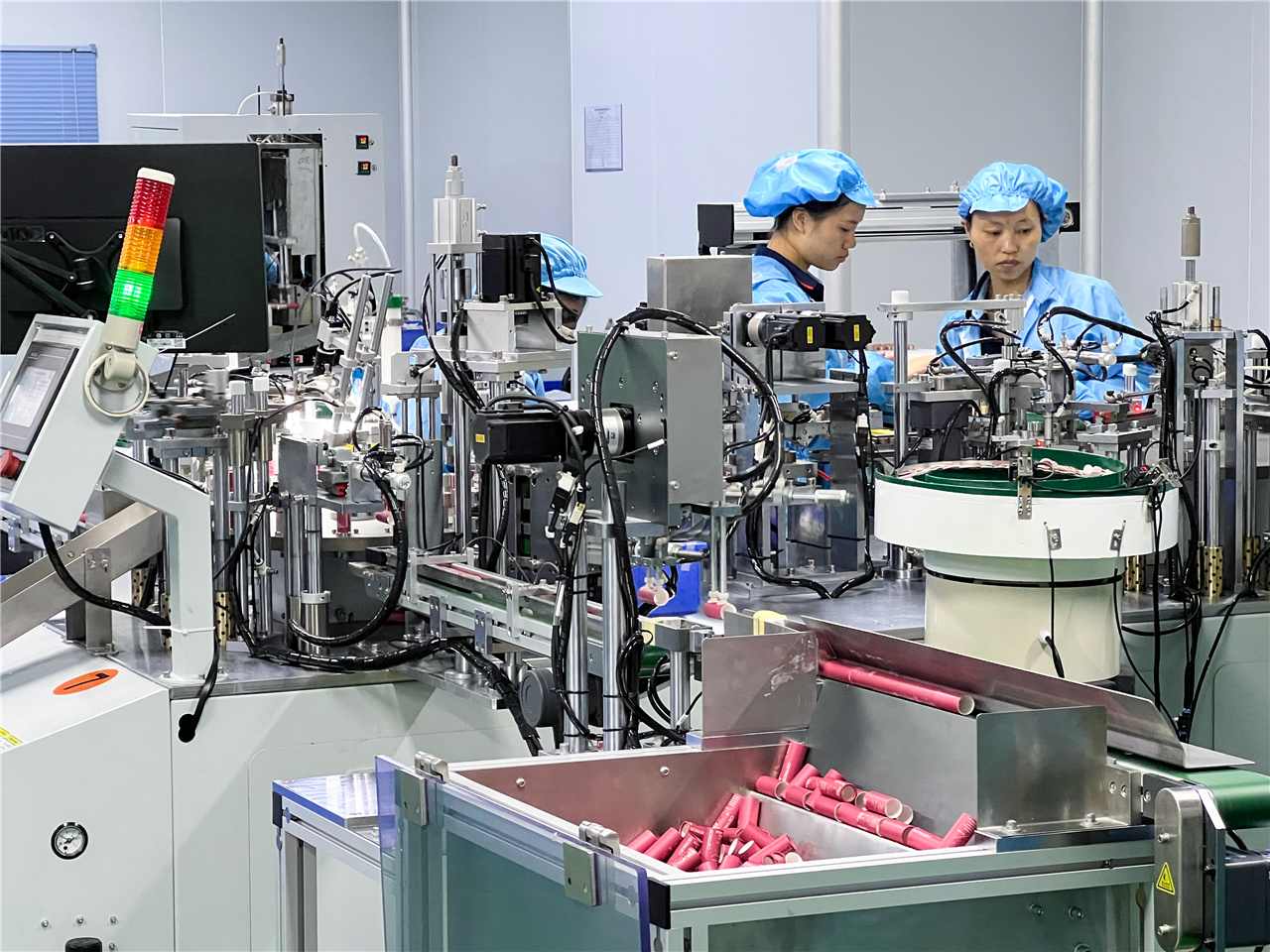
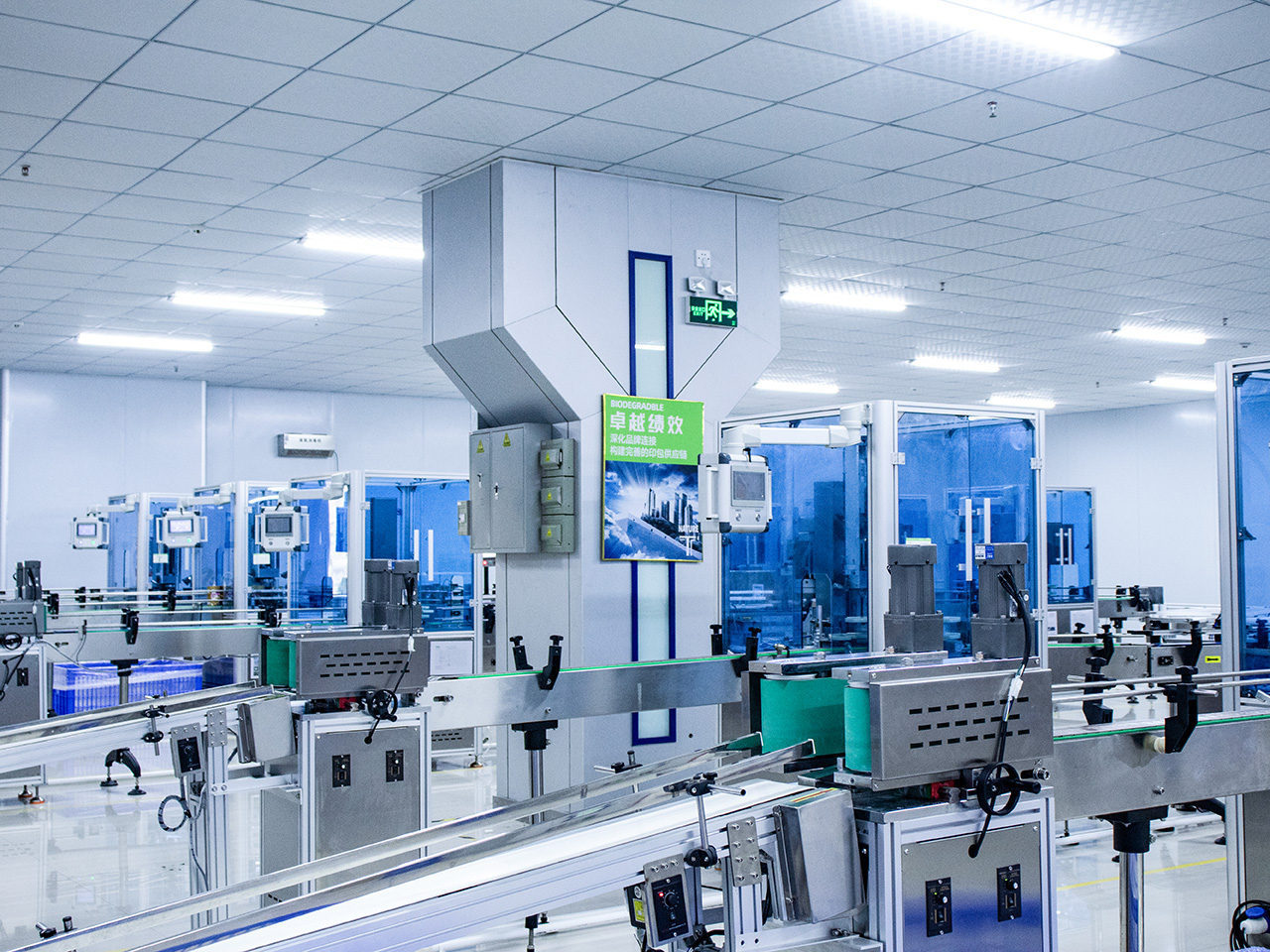

As global safety legislation evolves, physical child resistance is converging with digital authentication. Regulated botanical and medical products face severe counterfeit risks in unauthorized distribution channels. Nextruct integrates covert RFID micro-tags and dynamic encrypted QR matrices directly into the spirally wound paper layers during tube manufacture. This prevents label tampering while allowing end users to confirm lab assay credentials, dosage warnings, and batch provenance with a smartphone scan.
Furthermore, smart packaging indicators—such as reversible thermochromic inks indicating temperature exposure and moisture-break seals—guarantee the consumer receives unadulterated product without adding unrecyclable metallic films.
While plastic CR closures can persist in landfills for over 400 years, Nextruct’s next-generation paper tubes decompose within 180 days in industrial composting conditions. By implementing soy-based and algae-based printing inks, bio-polymer locking collars, and water-soluble adhesives, these tubes provide an undisputed Life Cycle Assessment (LCA) advantage. Brands deploying these tubes can document up to 70% greenhouse gas reductions across Scope 3 upstream emissions, satisfying both board-level ESG commitments and demanding consumer expectations.
Select from our complete range of certified child-resistant, high-barrier, and refillable paper packaging structures designed for global supply chain compliance.